Visit Sekaido Art Supply Store in Shinjuku
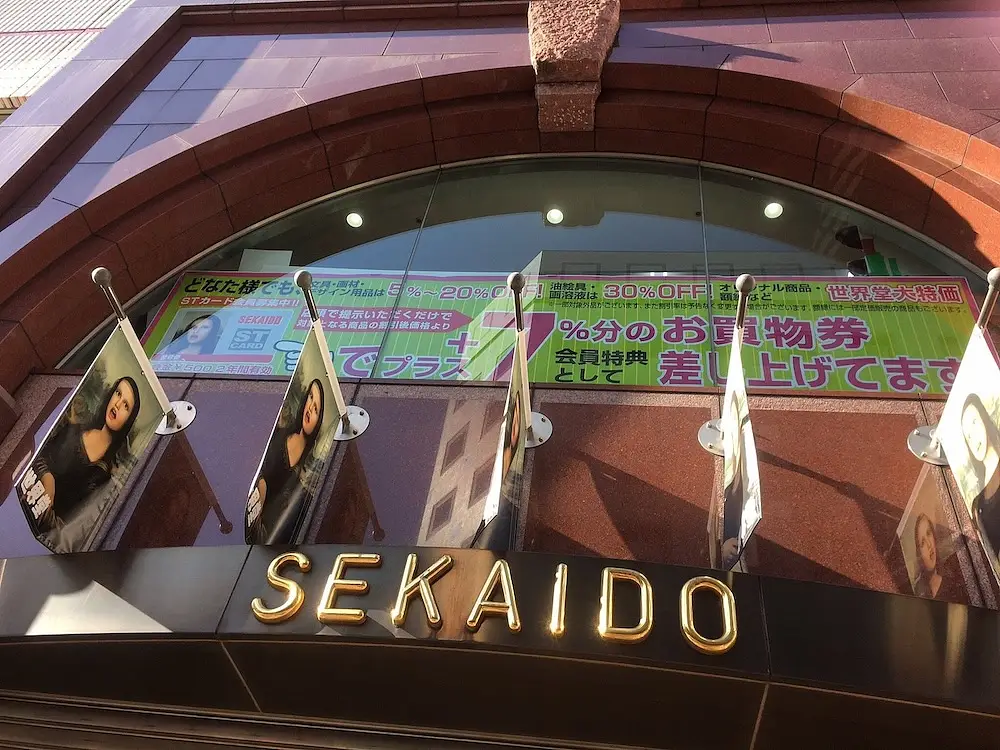
Visit Sekaido Art Supply Store in Shinjuku  photo

Art nerd heaven

If Tokyo were a pencil case, Sekaido Shinjuku would be the deluxe model with five zippers and everything you could ever want. This famed art store, located only steps from Shinjuku's neon, spans numerous levels and is stocked with professional-grade paints, brushes, sheets, canvases, markers, sketchbooks, model-making tools, framing, and the type of Japanese stationery that converts casual doodlers into daily sketchers. Expect clear floor zoning, reasonable costs, and staff who know gesso from gouache. Creators, design students, architects, cosplayers, and scrapbookers, welcome to your mothership. (Hint: it opens early and closes late by Tokyo store norms).
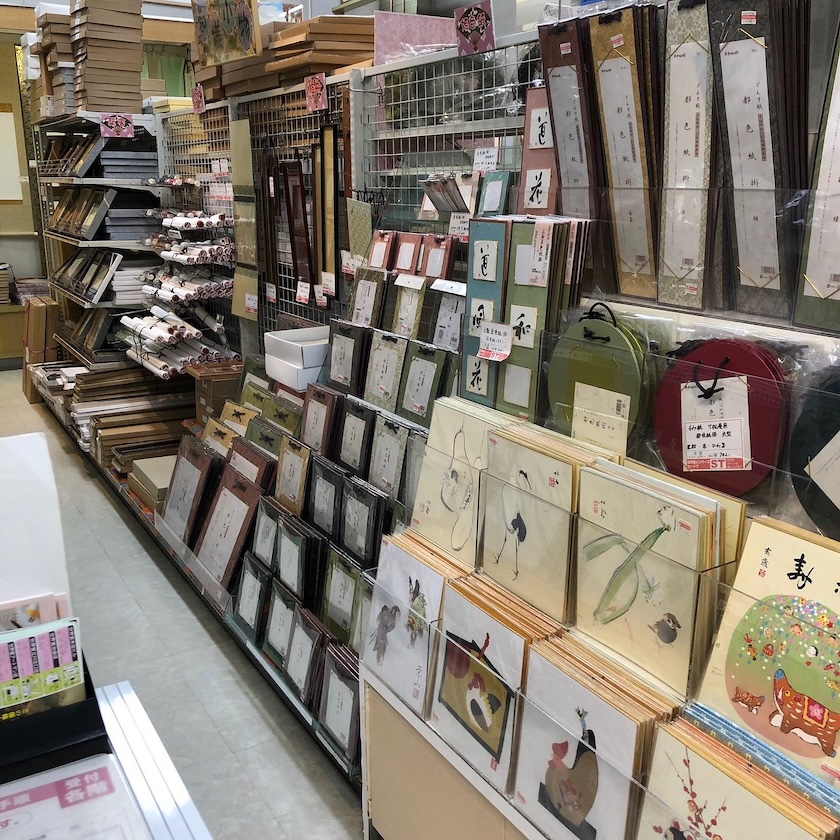
Sekaido Shinjuku: The Essentials

Before exploring the store floor by floor, these practical details will help you choose the best route, arrival time and amount of time to allow. Sekaido’s Shinjuku flagship occupies several levels, and opening hours may change around the New Year period.

Key Category

Details

Type

Art supply, stationery and framing specialty store

Location

Shinjuku, Tokyo

Address

Sekaido Building 1F–5F, 3-1-1 Shinjuku, Shinjuku-ku, Tokyo 160-0022

Opening Hours

9:30 AM–8:00 PM; generally open daily except for changes around the New Year period

Admission/Ticket

Free to enter; purchases and services are charged separately

Official Website

Sekaido Shinjuku Main Store

Nearest Station

Shinjuku-sanchome Station, Exit C4, approximately one minute away; JR, Odakyu and Keio Shinjuku stations, approximately seven minutes away

Languages/Signage

Japanese is the main language, but an English floor guide is available; the English ability of individual staff members may vary

Best For

Professional artists, art students, illustrators, designers, manga artists, crafters and travelers interested in Japanese stationery

Accessibility

An internal elevator connects the store levels; visitors with specific mobility requirements should check current access conditions before travelling

What to Expect at Sekaido Shinjuku

Sekaido is less like a polished department store and more like a working supply center built for people who make art. Its densely stocked floors cover everything from everyday pens and notebooks to professional painting materials, specialist papers and custom framing, so having a general shopping list will make the experience easier to navigate.

Highlights you’ll love:

  • Wall-to-wall markers & pens (graphic design favorites, manga must-haves).

  • Paints galore: watercolor, gouache, acrylic, oil, plus mediums and solvents.

  • Paper paradise: pads, blocks, specialty Japanese papers, presentation boards.

  • Model & craft tools: knives, cutting mats, adhesives, and balsa, architects, assemble.

  • Custom frames & ready-mades on upper floors, with staff who’ll help size and mount. 

Expect a friendly, purposeful buzz: students comparing swatches, pros replenishing studio staples, travelers grabbing souvenirs you can actually use.

Floor-by-Floor Guide: What’s on Each Level

Merchandise is sold across the first five floors, with each level dedicated to a different part of the creative process. The sixth floor is generally used for classes, exhibitions and events rather than ordinary retail. Departments and individual product locations can change, so check the directory when you arrive.

1F: Stationery and Office Supplies

The first floor is the easiest place to browse for casual gifts and everyday stationery. Expect pens, mechanical pencils, fountain pens, notebooks, files, envelopes, letter-writing products, greeting cards, stickers, washi tape and office supplies.

This is the best floor for travelers who enjoy Japanese stationery but do not need specialist painting or design materials.

2F: Paper, Design, Drafting and Manga Supplies

The second floor focuses on materials used by illustrators, designers, architects and manga artists. Categories include:

  • Drawing and illustration paper

  • Colored and specialty paper

  • Japanese washi paper

  • Illustration boards and presentation materials

  • Markers and colored pencils

  • Manga and comic-drawing supplies

  • Design and drafting equipment

  • Art books and instructional publications

  • Craft and model-making materials

Visitors looking for specific paper weights, surfaces or colors should allow extra time here because the selection can be extensive.

3F: Painting, Printmaking and Sculpture Materials

The third floor contains most of Sekaido’s traditional fine-art supplies. These include:

  • Watercolor, gouache, acrylic and oil colors

  • Japanese painting materials

  • Brushes, palettes and painting mediums

  • Pastels and drawing materials

  • Canvases, canvas boards and easels

  • Sketchbooks

  • Printmaking supplies

  • Sculpture and modeling materials

Both beginner products and professional ranges are available, although specific brands, colors and sizes depend on current stock.

4F: Frames, Prints and Custom Framing

The fourth floor specializes in frames for drawings, photographs, certificates, posters and works on paper. It also carries Japanese-style frames, ready-made frames, prints and posters.

Custom framing advice is available for visitors who need help selecting the appropriate dimensions, mounting or frame style.

5F: Frames for Paintings and Exhibition Services

The fifth floor primarily focuses on frames for oil paintings, canvases and thicker artworks. Custom orders and framing consultations may take time, particularly when mounting, made-to-measure work or later collection is required.

Confirm the estimated completion date before ordering if you will be leaving Tokyo soon.

The sixth floor is associated with art classes, exhibitions and occasional events. It is not an additional general-shopping floor, and access may depend on the current program.

Pricing, Brands & Sales 

Sekaido is known for combining specialist inventory with prices aimed at working artists and students. Many products are marked approximately 5–20% below their regular retail prices, although the discount varies by product and some items may be excluded.

What Prices Are Like

The final cost depends heavily on the brand, product size and whether you are buying student-grade or professional-grade materials.

As a general guide:

  • Everyday pens, pencils and erasers are among the least expensive items.

  • Individual markers, colored pencils and paint tubes make it possible to replace one color rather than purchase a complete set.

  • Imported products and professional pigments can be considerably more expensive.

  • Large canvases, specialist paper and custom framing vary substantially by dimensions and materials.

Compare the shelf price rather than assuming that every item receives the same percentage discount.

Brands and Product Availability

The store carries a mixture of Japanese and international manufacturers. Commonly represented categories include Copic markers, Japanese pens and mechanical pencils, Holbein colors, specialist papers, manga tools and professional painting materials.

Stock changes, and limited editions or particular colors may sell out. Travelers searching for an exact item should keep the product name, brand, color number and a reference photo available.

Sekaido Point Card

Sekaido’s point card provides additional benefits on eligible purchases after the store’s standard discount. The current official terms advertise 7% in points on qualifying discounted purchases, although exclusions and payment conditions apply.

Point-card benefits cannot be used when processing a purchase as tax-free. Check the latest terms before registering, particularly when deciding whether the card is worthwhile for a one-time visit.

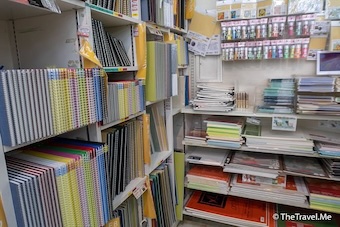
A stationary lover's dream!

Sekaido vs Itoya vs Hands 

Tokyo has several major stationery and creative-supply stores, but each serves a different type of shopper. The best choice depends less on which store is “better” and more on what you intend to buy.

Sekaido Shinjuku

Best for:

  • Fine-art paints and brushes

  • Canvases and easels

  • Illustration and manga materials

  • Specialist papers

  • Drafting and design supplies

  • Ready-made and custom framing

  • Students and professionals purchasing practical supplies

Sekaido generally prioritizes depth, working materials and competitive pricing over luxury presentation.

Ginza Itoya

Best for:

  • Premium stationery

  • Fountain pens and writing instruments

  • Notebooks and letter-writing products

  • Design-focused gifts

  • Original Itoya products

  • Travelers who prefer a polished, carefully presented shopping experience

Itoya has some art materials, but its broader identity is centered on stationery, writing, paper and design rather than being primarily a professional art-supply store.

Hands Shinjuku

Best for:

  • General crafts and hobby projects

  • Lifestyle and household products

  • Gift wrapping and greeting cards

  • Art and design supplies alongside many unrelated categories

  • Groups with different shopping interests

The brand is now officially called Hands, not Tokyu Hands. Its Shinjuku branch carries art and craft products, but it does not offer the same specialist concentration as Sekaido.

Bottom Line

Choose Sekaido for serious art supplies and framing, Itoya for premium stationery and writing products, and Hands when you want creative materials as part of a wider lifestyle and general-shopping visit.

Tax-Free Shopping and Store Discounts

Sekaido’s official point-card conditions refer specifically to tax-free purchases and state that point-card benefits cannot be used when a tax-free application is processed. Eligible international visitors should bring their original passport and tell the cashier that they wish to use tax-free shopping before completing payment.

Do not assume that every item or transaction will qualify. Eligibility depends on the traveler’s status, the purchase amount, current Japanese regulations and the store’s procedure. Ask the staff before paying, particularly when shopping across several floors.

Japan’s tax-free shopping system changes on November 1, 2026. From that date, eligible travelers will generally pay the tax-inclusive price and complete a refund procedure after customs confirms that the goods are leaving Japan. Visitors travelling on or after that date should read the latest official instructions before shopping.

When comparing tax-free shopping with Sekaido’s point card, remember:

  • The two benefits cannot be combined.

  • The ordinary shelf price may already include a store discount.

  • Point-card benefits may have payment conditions and product exclusions.

  • A point card may be less useful to a traveler who will not return to use accumulated points.

How Long to Visit & How to Pair It

The amount of time you need depends on whether you are casually browsing or searching for exact professional materials. Because the departments are spread vertically and similar products may come in dozens of variations, even a short shopping list can take longer than expected.

Typical visit duration

  • Quick browse: 20–30 minutes

  • Focused shopping: 45–90 minutes

  • Deep supply run: 2+ hours (easy to lose track of time)

Easy pairings

  • Shinjuku Gyoen (sketch break)

  • Kinokuniya Bookstore (art & design books)

  • Cafés around Shinjuku-sanchōme for planning your next project
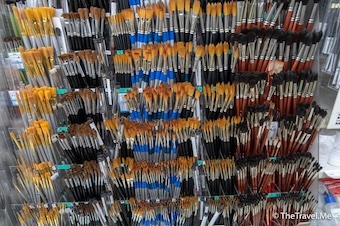
Brushes galore!

Who Is Sekaido Shinjuku For?

Sekaido serves a much wider audience than professional painters alone. Its combination of affordable everyday stationery, student materials, specialist tools and exhibition-quality supplies makes it relevant to beginners, experienced creators and travelers searching for practical Japanese-made souvenirs.

  • Artists & illustrators: deep brand selection and pro-tier papers/inks.

  • Design & architecture students: drafting tools, cutting gear, portfolios.

  • Crafters & journalers: stamps, stickers, washi, scrapbooking supplies.

  • Parents & teachers: school art kits and affordable starter sets.

  • Curious travelers: a “one-stop Japan stationery” hit list without department-store prices.

Tourist-friendliness: high. Shinjuku access is easy, floors are well signed, and checkouts accept cards; English knowledge varies but pointing and brand names go far. 

Accessibility and In-Store Comfort

Sekaido has an internal elevator serving its multi-level store, but it remains a densely stocked retail environment rather than a spacious shopping mall. Shelves and displays can make some aisles feel narrow, particularly during busy periods.

For Wheelchair Users and Visitors with Strollers

  • Use the internal elevator rather than attempting to move between floors by stairs.

  • Allow extra room and time when floors are crowded.

  • Avoid bringing large luggage into the store.

  • Contact the store directly when you require confirmation of a particular access route or facility.

  • Check the current barrier-free map for Shinjuku-sanchome Station before travelling, as the closest exit is not always the most suitable exit for every visitor.

Best Time for a More Comfortable Visit

Weekday mornings shortly after opening are generally the easiest time for visitors who need more space or a slower pace. Weekend afternoons and after-work periods are more likely to feel crowded.

Resting space inside the retail floors is limited, so consider taking a break at a nearby café between departments.

Language Support

You do not need fluent Japanese to browse Sekaido, but technical art vocabulary can be difficult to translate accurately. Preparing product photographs, model numbers, paper dimensions and pigment codes in advance will usually be more effective than relying on a general description alone.

The existing bullets can remain, but avoid promising that English-speaking staff will always be available. An English floor guide has been reported, while assistance from individual staff members varies.

Helpful tip:
Use a translation app for pigment names or paper types—Wi-Fi or mobile data makes browsing much easier.
How to Get to Sekaido Shinjuku

Sekaido is located on the eastern side of central Shinjuku, close to Shinjuku-sanchome Station. Train or subway travel is normally easier than driving because Shinjuku’s roads, exits and parking facilities can be busy.

From Shinjuku-sanchome Station

Shinjuku-sanchome Station is served by:

  • Tokyo Metro Marunouchi Line

  • Tokyo Metro Fukutoshin Line

  • Toei Shinjuku Line

Use Exit C4 for the shortest advertised route. Sekaido is approximately one minute away on foot. Visitors requiring a step-free route should consult the station’s barrier-free map before selecting an exit.

From JR Shinjuku Station

From JR Shinjuku Station, allow approximately seven minutes on foot under normal conditions. Head toward the station’s east or southeast side and continue along Shinjuku-dori toward Shinjuku-sanchome.

Shinjuku Station is very large, so the total journey may take longer when starting from a distant platform or unfamiliar exit.

From Odakyu or Keio Shinjuku Stations

Sekaido’s official guidance also gives an approximate seven-minute walk from the Odakyu and Keio areas of Shinjuku Station. Follow signs toward the east side and Shinjuku-sanchome rather than exiting toward the western skyscraper district.

By Bus

Local buses operate through the Shinjuku area, but the route is unlikely to be simpler than using Shinjuku-sanchome Station unless your starting point is already served by a direct bus.

By Taxi

A taxi can be useful when carrying luggage or large purchases, but traffic may make the trip slower than the subway. Ask to be dropped at “Sekaido Shinjuku Honten” and avoid stopping where vehicles would obstruct traffic.

By Car

Driving is generally unnecessary for an ordinary visit. Anyone collecting large framed work should ask Sekaido about collection arrangements and identify a suitable nearby parking facility before travelling.

Art supplies for one and all.

Nearby Recommendations

Sekaido’s position between Shinjuku Station and Shinjuku-sanchome makes it easy to combine with gardens, museums, bookshops and additional creative stores. Choose one or two nearby stops rather than crossing the entire Shinjuku district, as walking through the station area can take longer than maps suggest.

Shinjuku Gyoen National Garden

Shinjuku Gyoen is a peaceful place to sketch or test a new notebook after shopping. Opening hours vary by season, and the garden is normally closed on Mondays unless special opening arrangements apply. Check the official schedule before visiting.

Kinokuniya Shinjuku Main Store

Kinokuniya’s Shinjuku Main Store has eight sales floors and carries Japanese and international books, magazines and selected stationery. It is useful for art books, design references, manga and instructional material.

Sompo Museum of Art

Located on the west side of Shinjuku Station, the Sompo Museum of Art hosts changing exhibitions and owns one of Vincent van Gogh’s Sunflowers paintings. It is generally open from 10:00 AM to 6:00 PM, with exhibition-dependent changes and regular closures on Mondays.

Hands Shinjuku

Hands Shinjuku is inside Takashimaya Times Square and offers crafts, lifestyle products, gift wrapping, stationery and a smaller selection of art and design materials. It is a useful comparison stop rather than a direct replacement for Sekaido.

More About Sekaido Shinjuku

Sekaido was founded in Shinjuku in 1940 as a business selling picture frames and paintings. Its early years were affected by wartime shortages, including difficulty obtaining materials such as glass. It later expanded beyond framing into stationery, paints, design materials and other specialist creative supplies.

The framing departments therefore are not a secondary addition to the store; they reflect the company’s original area of expertise. This helps explain why Sekaido offers both ready-made frames and consultation for more specialized presentation needs.

Today, the Shinjuku flagship combines five retail floors with an upper art-school and gallery area. Its appeal lies in the practical depth of its inventory: visitors can compare multiple brands, sizes and grades in one place rather than moving between small specialist retailers.

The original wording describing “wartime origins to its postwar rise” was misleading. The business was established in 1940, before Japan entered the Pacific War, and began specifically with paintings and frames rather than as a general wartime supply shop.

Pro Tips

A little preparation will make Sekaido easier to navigate and reduce the chance of buying the wrong size, shade or material.

  • Arrive early: The store opens at 9:30 AM and is normally calmer during weekday mornings.

  • Prepare a shopping list: Include brand names, measurements, color numbers, paper weights and reference photographs.

  • Check every floor directory: Departments are divided by material and use, so similar-looking products may be on different levels.

  • Compare before buying sets: Many pens, pencils and colors are sold individually, which can be better value when you only need replacements.

  • Ask before photographing: Store and product photography rules may vary by department or display.

  • Bring a suitable bag: Paper pads, frames and canvases can be difficult to carry without bending or damaging them.

  • Confirm framing deadlines: Custom framing may not be ready the same day, so explain your departure date before ordering.

  • Review travel restrictions: Some art liquids, aerosols and tools may be restricted by airlines or customs. Check directly with your carrier before purchasing anything you are unsure about.

  • Ask about tax-free shopping before payment: Tax-free treatment cannot be combined with Sekaido point-card benefits.

  • Avoid large luggage: Store it at your accommodation or in an appropriate locker before visiting, as the aisles and elevator can become crowded.

Planning Your Visit

Sekaido is easy to add to a Shinjuku itinerary, but deciding when to shop, where to stay and how to carry your purchases will make the visit considerably smoother. Plan around the store’s 9:30 AM opening, allow more time than you would for an ordinary stationery shop and avoid scheduling custom framing immediately before leaving Tokyo.

Where to Stay

Staying in Shinjuku gives you convenient access to Sekaido as well as major JR, subway, Odakyu and Keio services. It is particularly practical for travelers who want to shop early and return bulky purchases to their hotel before continuing sightseeing.

Accommodation immediately around Shinjuku Station can be busy and expensive. Shinjuku-sanchome, Yoyogi and nearby neighborhoods may provide a calmer base while retaining easy transport access.

Getting Around Tokyo

For a trip focused mainly on Tokyo, use an IC card such as Suica or PASMO, individual tickets or an appropriate local subway ticket. A nationwide Japan Rail Pass is not necessary solely for travelling around Shinjuku.

A national or regional rail pass should only be considered after listing the actual long-distance journeys in your itinerary and comparing their individual fares. No single regional pass automatically covers unrelated trips to destinations such as Nikko, Hakone and Nagano.

Staying Connected

Mobile data is helpful for:

  • Translating technical product names

  • Checking color and model numbers

  • Comparing dimensions and prices

  • Finding the correct station exit

  • Checking airline rules before purchasing specialist materials

Pocket Wi-Fi is suitable for groups sharing several devices, while a SIM or eSIM is normally more convenient for one traveler with a compatible unlocked phone.

Managing Purchases

Bring a foldable tote for small products and protect paper, artwork and frames from bending. Larger canvases and framed pieces may be impractical to carry through the rest of a sightseeing day.

Ask about packaging before purchasing fragile goods. Do not assume that every product can be shipped internationally or carried aboard an aircraft.

Tax-Free Preparation

Bring your original passport when planning an eligible tax-free purchase. Explain that you want tax-free processing before completing the transaction and remember that it cannot be combined with Sekaido’s point-card benefits.

Japan’s tax-free process changes on November 1, 2026, so check the official procedure that applies on the date of your visit.

FAQs About Sekaido Shinjuku

Q: Is Sekaido worth visiting if I am not a professional artist?
A: Yes. The first floor has everyday pens, notebooks, letter-writing products, stickers and stationery suitable for casual shoppers. The upper floors become progressively more specialized, so you can visit only the departments relevant to you.

Q: How many floors does Sekaido Shinjuku have?
A: Retail products occupy floors 1–5. The sixth floor is generally used for art classes, exhibitions and events rather than ordinary shopping.

Q: How long should I spend at Sekaido?
A: Allow around 30–45 minutes for a quick stationery browse, one to two hours for a focused supply trip and longer when comparing specialist paper, paints or framing options. These are planning estimates rather than official visit durations.

Q: Should I visit Sekaido, Itoya or Hands?
A: Choose Sekaido for professional art materials, manga supplies, paper and framing. Choose Itoya for premium stationery, fountain pens, notebooks and gifts. Choose Hands for general crafts, lifestyle products and mixed-interest shopping.

Q: Is Sekaido cheaper than other stationery stores?
A: Many products are advertised at approximately 5–20% below regular retail prices, but the discount varies by item. Compare the actual shelf price because imported products, limited editions and specialist materials may still be expensive.

Q: Does Sekaido Shinjuku offer tax-free shopping?
A: Sekaido’s official point-card terms refer to tax-free transactions, indicating that tax-free processing is available for eligible visitors and purchases. Bring your original passport and confirm eligibility with staff before paying. The national procedure changes on November 1, 2026.

Q: Can I combine tax-free shopping with the Sekaido point card?
A: No. Sekaido’s official terms state that point-card use and benefits are not available when a purchase is processed as tax-free. Compare the two options before completing payment.

Q: Are English signs or English-speaking staff available?
A: An English floor guide is available, and some staff may be able to assist in English. However, English support should not be assumed at every counter. Showing a product photograph, brand name or model number is often the simplest approach.

Q: Is Sekaido accessible for wheelchairs and strollers?
A: An internal elevator serves the store, but some areas can feel narrow when crowded. Check Shinjuku-sanchome Station’s current barrier-free route and contact the store when you need confirmation of specific facilities or assistance.

Q: Can I take paints and art supplies home on a plane?
A: It depends on the product and the rules of your airline, destination country and departure airport. Certain liquids, aerosols and tools may be restricted or require special handling. Check directly with your airline before buying products you are uncertain about, and keep the original packaging and product information.

FAQs

Why should I book with JapanDen?

With decades of experience working in Japanese travel and hospitality, you can trust us to help you find the perfect place to stay. JapanDen isn’t a corporation, we’re a community of fellow travellers and Japan enthusiasts dedicated to bringing you the very best in authentic Japanese accommodation, off-the-beaten path activities, and curated travel guides. Our passion for Japan shines through in everything we do.

How do I book a hotel or ryokan through JapanDen?

JapanDen offers a wide variety of booking options. We recommend searching for your favourite location, destination or hotel name. Simply select your room type, optional extra (like a tasty breakfast) and complete your booking. It couldn’t be easier.

What types of accommodations do you offer in Japan?

Whether you’re looking for a comfy hotel room or an adventurous glamping experience, you'll find it at JapanDen. We have more than 4,500 hotels and ryokans to choose from. At JapanDen, you will also find a special emphasis on ryokan (traditional Japanese inns) as well as an extensive selection of off-the-beaten track options based on our expertise and decades of experience in Japan.

How can JapanDen help with planning my trip?

As well as booking accommodation, JapanDen is a place to learn more about Japan and how you can make the most of your time in this special country. From in-depth region guides to stories from Japan, we’ll be regularly publishing carefully curated insights from Japanese culture, with recommendations for the best activities and attractions and the latest news. Looking forward, we’ll also be adding special community features so you can share ideas and inspiration with like-minded people. Please come back and visit us regularly as we continue to add new content. We want JapanDen to be your home away from home too.

Do you offer guided tours in Japan, and how can I book one?

As part of the JRPass.com group, we offer a dedicated Meet and Greet service with expert personal assistance on your arrival in Japan booked via JRPass.com, alongside nationwide and regional rail passes for travel. As JapanDen grows, we will be offering more services and activities to provide a complete Japan travel experience.

Can I purchase Japan Rail Passes through your website?

JapanDen is part of the JRPass.com group, book your passes and tickets directly on JRPass.com