Visit Nogi Jinja Shrine in Tokyo – History & Access
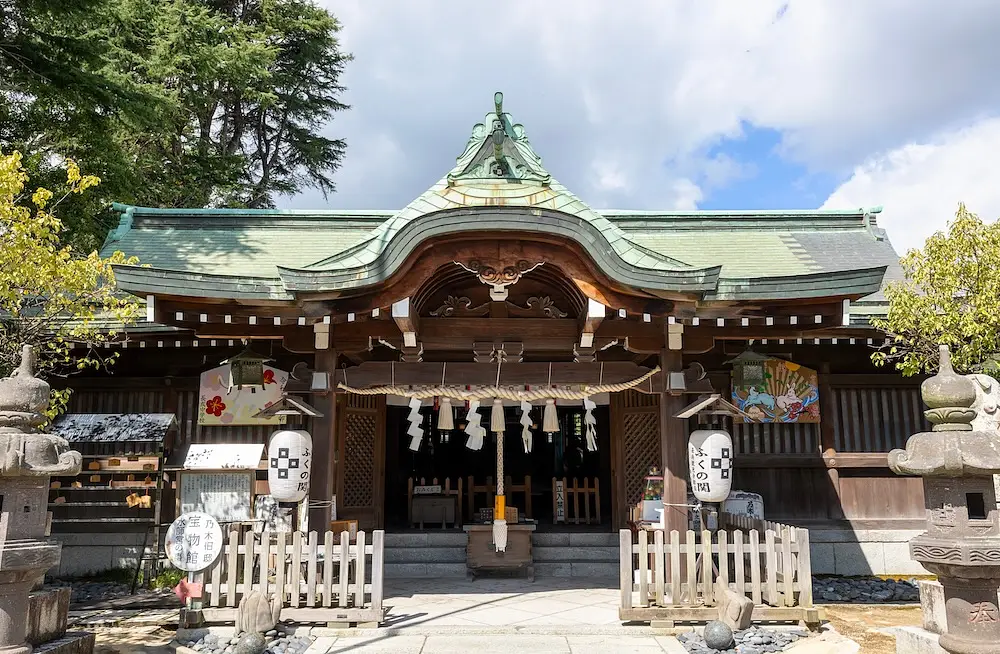
A peaceful oasis in the heart of Tokyo
Spotted: you, escaping Tokyo’s hustle and bustle for a little peace and pine-scented poetry. Nogi Shrine is a little Shinto sanctuary in elegant Minato, where vermilion gates, exquisite rooftops, and hints of Meiji-era history intersect. It's the ideal palette cleanser between the museums of Roppongi and the shopping of Aoyama, just steps away from Nogizaka Station. Come for peace; stay for the narrative of General Nogi Maresuke, his legacy, and the city's silence behind the torii.
General Nogi Maresuke (1849–1912) was a prominent military leader during Japan’s Meiji era, a period defined by rapid modernization and national transformation. He played a major role in the Russo-Japanese War, where his leadership became both celebrated and controversial due to heavy casualties under his command.
Nogi became a symbol of loyalty, discipline, and self-sacrifice, ideals strongly emphasized during the Meiji period. Following the death of Emperor Meiji in 1912, Nogi and his wife Shizuko performed ritual suicide (junshi), an act that shocked the nation and sparked intense debate about tradition versus modern values.
After their deaths, the site of their former residence and stables was transformed into Nogi Jinja Shrine, not as a glorification of war, but as a place to reflect on duty, morality, and the human cost of loyalty during Japan’s modernization.
Key Details |
|
Type |
Shinto Shrine |
Location |
Tokyo Prefecture, Tokyo City (Minato Ward) |
Address |
8-11-27 Akasaka, Minato-ku, Tokyo 107-0052 |
Opening Hours |
6:00 am – 5:00 pm daily |
Admission/Ticket |
Free |
Official Website |
|
Nearest Station |
Nogizaka Station (Tokyo Metro Chiyoda Line) – Exit 1, about 15 m walk |
Languages/Signage |
Primarily Japanese, with some English information available. |
Best For |
Couples, solo travellers, culture-lovers, photographers, anyone wanting a quiet pause. |
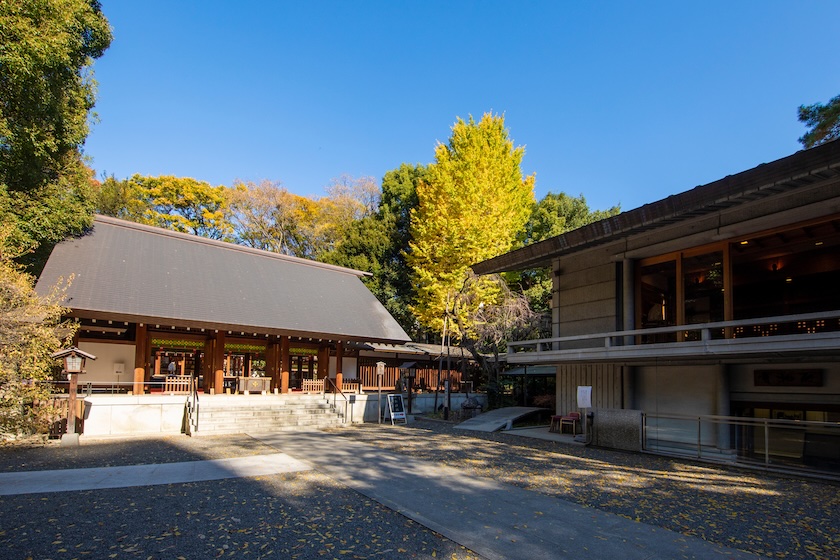
Let's get into the experience, here's what you'll uncover when you travel through this urban shrine gem:
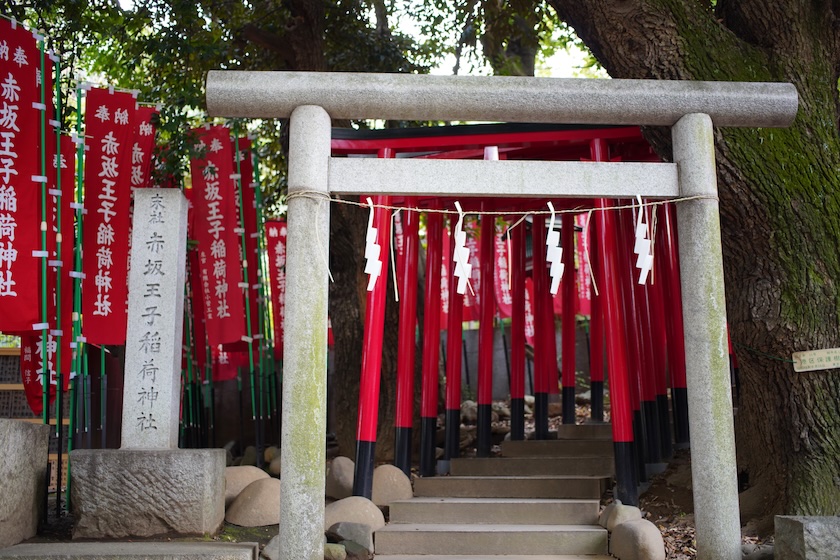
A beautiful torii gate welcoming you into a tree-lined courtyard, giving you that breath of fresh air.
The main hall (haiden), where you’ll see worshippers, ritual purity areas, and the hush of Shinto tradition.
The former residence and stables of General Nogi Maresuke (Meiji-era) and his wife, preserved next door. You can glimpse the red-brick building and Meiji-period architecture.
Seasonal scenes: In summer you’ll see the shrine’s wind-chime corridor of about 200 colourful fu-rin (wind bells).
Despite being in the city, this is a tranquil area, you can see Roppongi's high-rises poking over the trees, but inside you feel a world away.
Photogenic little details: lanterns, mossy stone, gentle gardens. Great for capturing an off-beat shrine visit.
Typically held July to early September
Around 200 colorful wind chimes line the shrine paths
One of the shrine’s most photographed seasonal features
April: Memorial rites related to General Nogi
Summer months: Small ceremonial events and weddings
Year-round: Shinto rituals, especially on auspicious calendar dates
Summer: Wind chimes and lush greenery
Spring & Autumn: Mild weather and quiet atmosphere
Winter: Very calm, minimal crowds, short but atmospheric visits
20–45 minutes for shrine grounds only
60–90 minutes if also viewing the Nogi Residence Museum exterior and lingering for photos
Nogi Shrine + Roppongi Hills (art, views, dining)
Nogi Shrine + Aoyama shopping streets
Nogi Shrine + Nogi Residence Museum for Meiji-era context
This shrine works best as a quiet cultural pause, not a half-day destination.
Grounds are compact and mostly flat
Pathways are a mix of paved stone and compact gravel
Minor slopes near entrances, but no long staircases
Suitable for strollers and wheelchairs, though maneuvering space is limited during ceremonies
On-site restrooms available
Accessibility may vary; assistance may be needed during busy periods
Direct approach from Nogizaka Station Exit 1 minimizes walking and elevation changes
Intimate, quiet, reflective
Strong Meiji-era historical narrative
Ideal for short visits
Vast forested grounds
Major landmark and first-time visitor favorite
Much busier
Central Tokyo location
Political and historical symbolism
Larger grounds, more steps
Calm atmosphere
Deeper historical reflection
Minimal crowds and a quick cultural stop
If you’re any of the following, this shrine will hit the sweet spot:
Solo travellers wanting a quiet cultural stop in Tokyo.
Couples looking for a low-key but meaningful experience (yes, weddings do happen here).
History or architecture fans who are curious about the Meiji-period's legacy.
Photographers or Instagram-seekers wanting beautiful green space + shrine visuals.
Families with older children (the grounds are small but manageable for a 30-45 min visit).
While it’s visitor-friendly, note: the space is modest in size, so if you’re looking for huge or sprawling shrine grounds you might prefer others, but that intimate vibe is exactly the charm here.
Rinse left hand
Rinse right hand
Rinse mouth (do not touch ladle to lips)
Rinse left hand again
Let remaining water clean the ladle handle
Bow twice
Clap twice
Make your prayer silently
Bow once again
Keep voices low
No eating or drinking in sacred areas
Photography should be discreet
Step to the side of paths (center is traditionally for the kami)
By train:
Take the Tokyo Metro Chiyoda Line and get off at Nogizaka Station then use Exit 1 and the shrine is mere steps away.
From major hubs: e.g., from Shinjuku, take the Chiyoda Line directly.
By bus/taxi: Easily accessible in Minato-ku; taxi from Roppongi is ~5 minutes depending on traffic.
On foot/bike: If you’re staying in nearby Akasaka or Roppongi, this shrine is a pleasant walk through calm side-streets.
Food & Drinks: After your visit, wander toward Roppongi or Akasaka for stylish coffee spots or sushi bars.
Attractions & Experiences:
The Meiji-era residence next door to the shrine is worth a quick look.
Head up to Roppongi Hills or the Mori Art Museum for skyline views.
Shopping: Explore the boutiques around Nogizaka and the designer stores in Aoyama (a short walk away).
Hotels & Accommodation: Stay nearby in Minato-ku to make early visits stress-free. Check our JapanDen hotel pages for choices in the Akasaka/Nogizaka area.
Nestled in the upscale Minato neighborhood of Tokyo is a tale from Japan's most dramatic era. Disciplined, devoted, and larger than life, General Nogi Maresuke (1849–1912) embodied the ideal of honor throughout the Meiji period. In a startling but profoundly symbolic act of devotion, Nogi and his wife followed Emperor Meiji in ritual death after his death, leaving the country divided between awe and incredulity. On the location of their old house and stables, Nogi Shrine now sits silently. Once a private home, it has been transformed into a haven where time seems to stand still. There, history hums softly through the cedar air and stone pathways, beckoning you to stop and listen.
Best arrival time: Aim for early morning (shortly after 6 am) or just after opening to dodge crowds and enjoy peacefulness.
Must-bring items: A power bank (for photos), some cash (for omamori or ema if you wish), comfortable shoes.
Navigation: From Exit 1 of Nogizaka Station, you’re literally seconds from the torii. No transfers needed if you’re coming via the Chiyoda Line.
Peak season & queue expectations: No major crowds, but weddings and ceremonies may close off certain areas temporarily.
Etiquette reminder: Respect the quiet, no loud phone calls; if you choose to take photos, gentle usage only. (Remove hats when entering the prayer hall if you join a ritual).
What to wear: It’s a shrine, decent casual is fine, avoid overly beachwear or pyjamas. Comfortable for walking.
Accessibility note: The grounds are compact and mostly level; good for strollers/wheelchairs though space is limited.
Because logistics are the new luxury.
Stay: Book a hotel in Minato/Nogizaka/Akasaka on JapanDen to catch the shrine at golden hour, then wander to dinner nearby.
Transport: Around Tokyo, metros rule, but if your itinerary includes regional hops, a JR Pass or the appropriate Regional Pass makes sense. We’ll help you pick the right one for your route.
Connectivity: Keep maps, translations, and shrine lore in your pocket with Pocket Wi-Fi or a Japan SIM (yes, you can bundle a SIM with your JR/Regional Pass at checkout).
Meet & Greet: Landing at HND/NRT and want a soft landing? Book Meet & Greet so your first stop to this shrine feels effortless.
Japan basics: Cash helps for charms/ema; IC cards for metro; accessibility is generally good (compact, level grounds).
No. Entry is free.
Typically 6:00–17:00; amulets/prayers 9:00–17:00.
Yes it is compact, calm, and easy to navigate. (Do brief visits with little ones.)
Not clearly posted; with small grounds and ceremonies, it’s kinder to skip.
It commemorates General Nogi Maresuke and his wife; the site anchors their Meiji-era legacy and adjacent residence.
Akasaka/Nogizaka, Minato City, address 8-11-27 Akasaka, near Nogizaka Station (Exit 1)
Summer often features a wind-chime corridor (~200 fu ̄ rin); occasional festivals and weddings occur.
Why should I book with JapanDen?
How do I book a hotel or ryokan through JapanDen?
What types of accommodations do you offer in Japan?
How can JapanDen help with planning my trip?
As well as booking accommodation, JapanDen is a place to learn more about Japan and how you can make the most of your time in this special country. From in-depth region guides to stories from Japan, we’ll be regularly publishing carefully curated insights from Japanese culture, with recommendations for the best activities and attractions and the latest news. Looking forward, we’ll also be adding special community features so you can share ideas and inspiration with like-minded people. Please come back and visit us regularly as we continue to add new content. We want JapanDen to be your home away from home too.
Do you offer guided tours in Japan, and how can I book one?
As part of the JRPass.com group, we offer a dedicated Meet and Greet service with expert personal assistance on your arrival in Japan booked via JRPass.com, alongside nationwide and regional rail passes for travel. As JapanDen grows, we will be offering more services and activities to provide a complete Japan travel experience.
Can I purchase Japan Rail Passes through your website?
JapanDen is part of the JRPass.com group, book your passes and tickets directly on JRPass.com
.jpg)