Visit Hie Shrine: A Serene Spot in Tokyo
Tokyo’s City-Hill Sanctuary
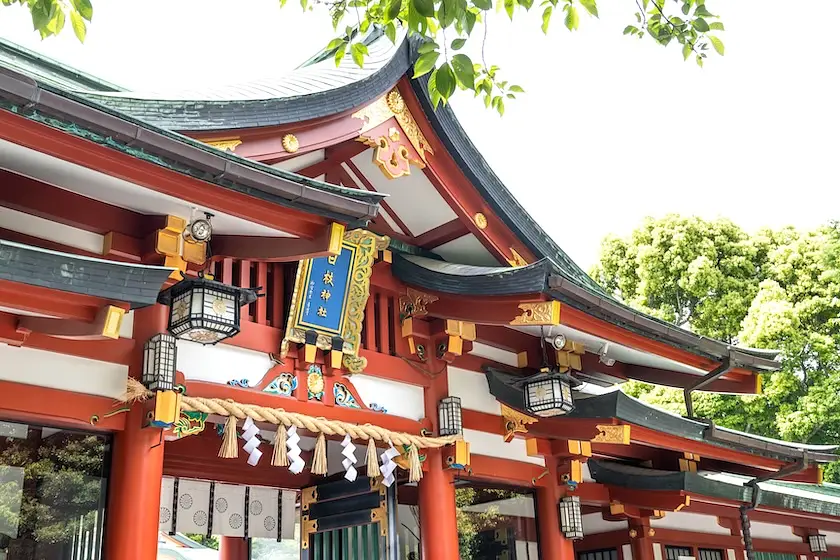
Located on a verdant hilltop between the bustling commercial districts of Akasaka and the political heart of Nagatachō, the Hie Shrine (日日枝神社, Hie Jinja) provides a serene, elevate sanctuary amidst the neon-lit urban landscape of Tokyo. Originally established as a protective guardian site, the modern complex seamlessly blends spiritual tradition with unique contemporary conveniences. Visitors are greeted by towering vermilion torii gates arranged in a photogenic tunnel along the hillside, revered stone monkey statues acting as divine guardians, and an surrounding atmosphere so peaceful that the nearby government skyscrapers seem miles away. Whether you are a culture enthusiast exploring Shinto heritage, a photography buff seeking distinctive perspectives, a couple looking for a tranquil walk, or a solo traveler taking a breather from city exploration, Hie Shrine offers an extraordinarily rewarding experience.
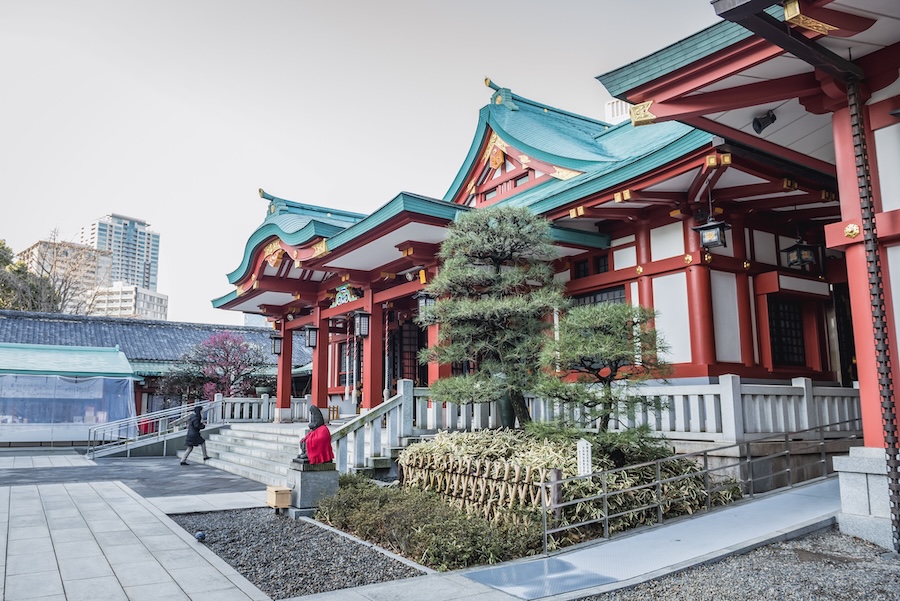
Beyond its spiritual significance, Hie Shrine stands as a fascinating symbol of historical resilience and architectural adaptation. Having served as the protective shrine for Edo Castle during the Tokugawa Shogunate, it remains closely connected to Tokyo’s cultural identity and heritage. A visit here allows travelers to admire centuries-old ritual customs, explore shaded forest paths, and observe local life as neighborhood residents and office workers pop in for daily prayers.
Key Categories |
Details |
Type |
Shinto Shrine |
Location |
Chiyoda-ku, Tokyo (between Akasaka & Nagatachō) |
Address |
2-10-5 Nagatachō, Chiyoda-ku, Tokyo 100-0014 |
Opening Hours |
Typically open daily; main precincts accessible throughout the day (as it’s outdoor and largely free access.) |
Admission/Ticket |
Free |
Official Website |
|
Nearest Station |
Tameike-Sannō Station (Tokyo Metro Ginza/Namboku lines), Akasaka Station (Tokyo Metro), and Kokkai-Gijidō-Mae Station (Marunouchi/Chiyoda lines) |
Languages/Signage |
Japanese primary; some English signage for major visitors. |
Best For |
Solo wanderers, couples, urban nature lovers, culture & architecture fans, families comfortable with short walks/hill inclines. |
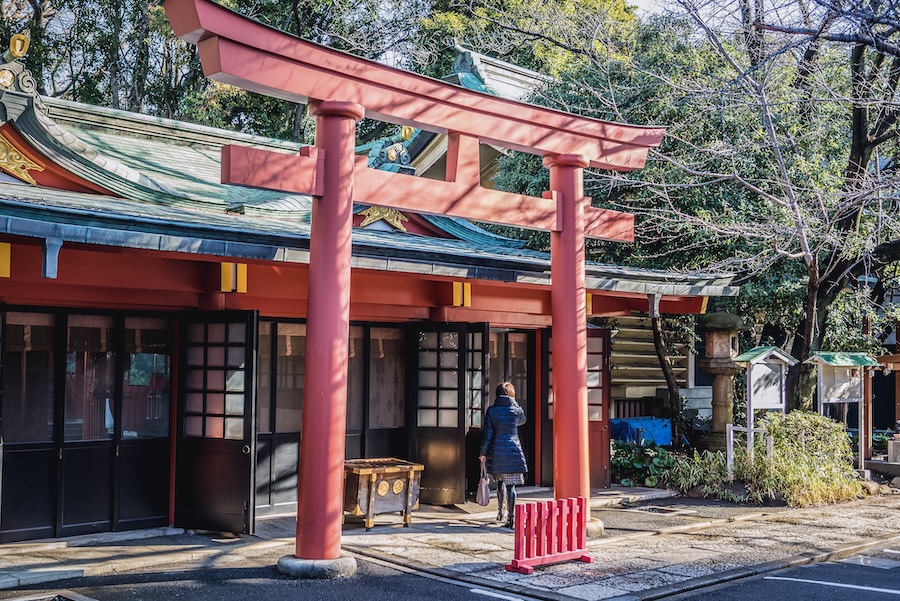
Visiting Hie Shrine offers a rich, multi-layered experience where traditional Shinto spirituality, carefully preserved nature, and modern civic infrastructure converge seamlessly. Standing atop Mount Sannō, the shrine ground invites visitors to stroll around scenic elevated terraces, admire detailed wooden carvings, and soak in an incredible sense of calm right in the center of the metropolis.
A standout feature of Hie Shrine is its dramatic Sannō-zaka approach—a winding hillside stairway enclosed within a dense, vibrant tunnel of bright vermilion torii gates. As you walk upward beneath the vibrant red archways, light filters through in striking patterns, creating one of Tokyo's most memorable photo opportunities. Unlike the famously crowded Fushimi Inari Shrine in Kyoto or Nezu Shrine in Tokyo, this torii tunnel often remains pleasantly uncrowded, allowing for quiet reflection and uninterrupted photography, especially during early morning hours.
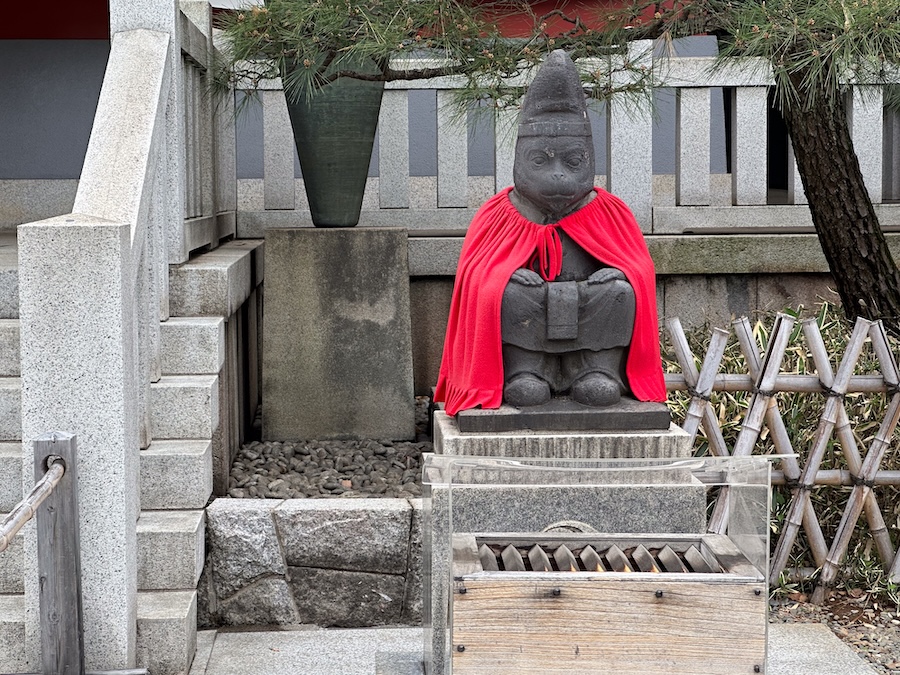
While most Shinto shrines feature Komainu (lion-dogs) or Kitsune (foxes) as sacred guardians, Hie Shrine is uniquely guarded by Masaru—sacred monkey messengers (pictured below) associated with the shrine’s deity, Ōyamakui-no-Kami. The word "Masaru" translates phonetically to "defeating evil" or "winning," making these statues powerful symbols of good fortune, protection, and overcoming adversity. Throughout the main courtyard, you will spot sculpted stone monkeys dressed in traditional robes. In particular, the carved mother-and-child monkey statue on the left side of the main hall is deeply revered as a charm for safe childbirth, fertility, and harmonious family relationships.
Adding to its charm as a truly modern Tokyo landmark, Hie Shrine features a full-sized outdoor escalator alongside its main entrance path. Designed to help elderly visitors, families with young children, and pilgrims easily ascend the steep hill without physical strain, this feature nicely showcases Japanese hospitality and functional design blending naturally with ancient heritage.
Positioned high above street level, the shrine grounds serve as a quiet urban retreat. The thick canopy of evergreen trees, aged stone lanterns, gravel pathways, and delicate incense smoke effectively buffer the noises of traffic below. From the terrace edges, visitors can enjoy a striking visual contrast: traditional curved shrine roofs framed against towering glass-and-steel skyscrapers.
Hie Shrine is home to the historic Sannō Matsuri, recognized alongside Kyoto's Gion Matsuri and Osaka's Tenjin Matsuri as one of Japan's three major festivals. Held in mid-June during even-numbered years, this week-long celebration features traditional music, Shinto rituals, and a grand 300-meter-long procession of portable shrines (mikoshi), dressed priests on horseback, and float performers winding through central Tokyo, including the Imperial Palace grounds.
Whether you stop by to pray for luck, photograph the striking architecture, or simply take a moment of quiet reflection, Hie Shrine offers a deeply memorable slice of Tokyo culture.
Thanks to its convenient central location, distinct architectural details, and welcoming atmosphere, Hie Shrine offers something special for every type of traveler:
Solo travelers: Ideal for visitors seeking a peaceful pause, mindful strolls, or quiet reading spots between active sightseeing legs across central Tokyo.
Couples: A romantic, atmospheric destination offering scenic backdrops along the torii gate steps, quiet garden paths, and shared moments away from crowded commercial hubs.
Families: Kids and parents alike will love finding the playful stone monkey statues and riding the outdoor escalator up the hill, while the manageable site size keeps walking light.
Culture & history buffs: Essential viewing for anyone interested in Tokugawa history, Shinto rituals, festival traditions, or Edo-period urban layout.
Local workers & urban commuters: A popular sanctuary for nearby business professionals and public servants seeking a quick reset during lunch hours or after work.
Compared to massive tourist destinations like Meiji Shrine or Sensō-ji, Hie Shrine provides a much more intimate setting where you can easily explore at your own pace without feeling rushed.
When planning your outfit for Hie Shrine, choose comfortable clothing and supportive footwear that suit gentle outdoor walks and varied terrain, including stone stairs, gravel paths, and subtle inclines.
Smart-casual attire strikes the ideal balance between comfort and style. Trousers, breathable dresses, light layers, and comfortable walking shoes or flats work great year-round. As Hie Shrine is an active place of worship, modest clothing that covers shoulders and knees is recommended out of respect when stepping near the main altar area.
Thanks to Tokyo's exceptional public transit system, getting to Hie Shrine is straightforward from almost anywhere in the city. Several major subway lines stop within a short walking distance of the grounds.
Use Exit 7 for the easiest approach
Walking time: about 3–5 minutes
Follow signs toward Hie Shrine; escalator access is available near the approach
Use Exit 2
Walking time: about 8–10 minutes, gently uphill
Good option if coming from Akasaka dining or hotel areas
Use Exit 5
Walking time: about 10 minutes
Quiet route near government buildings
Tokyo Station: around 15 minutes by metro plus a short walk
Shinjuku: around 20 minutes by metro (Marunouchi Line transfer)
The inclusion of the outdoor escalator greatly improves accessibility for the uphill climb. However, please note that certain secondary routes, side terraces, and the torii gate path still involve stone stairs and slight slopes. Visitors using wheelchairs or stroller strollers may need to rely on the main paved access paths near the elevator/escalator entrance.
For the most seamless and accessible route, head to Tameike-Sannō Station Exit 7, which brings you right near the primary escalator entrance.
Hie Shrine holds a distinguished place in Tokyo's history spanning over eight centuries. First founded during the Kamakura period (1185–1333) by warrior Kawagoe Tomoshige, the shrine was later relocated near Edo Castle by legendary samurai Ota Dokan in 1478 to spiritually protect the fortress. Following the Great Fire of Meireki in 1657, Shogun Tokugawa Ietsuna reconstructed the shrine at its current hilltop location in Nagatachō in 1659, designating it as the supreme guardian site for the shogunate and the city.
Throughout the Edo period, Tokugawa shoguns personally attended festival rites at Hie Shrine, granting it unparalleled prestige. When Edo Castle transformed into the Imperial Palace during the Meiji Restoration, Hie Shrine maintained its honored status as the official guardian shrine of the Imperial Palace and the capital city.
The principal deity enshrined at Hie Shrine is Ōyamakui-no-Kami (大山咋神), also revered as Sannō-sama. Originally worshipped as a deity of Mount Hiei near Kyoto, this Shinto kami is associated with mountain stewardship, agriculture, and protection.
This deity is associated with:
Protection
Prosperity
Safe governance
Harmony between nature and urban life
Monkeys serve as the shrine’s divine messengers and symbolize:
Family protection
Safe childbirth
Healthy family relationships
In Shinto belief, monkeys are viewed as divine mediators capable of driving away malevolent spirits. Because monkeys exhibit strong family bonds, the statues at Hie Shrine are widely visited by couples seeking marriage blessings, parents praying for healthy children, and expectant mothers wishing for safe delivery.
To help you decide where to fit Hie Shrine into your Tokyo itinerary, here is how its atmosphere compares to other famed religious sites around the city:
Calm and centrally located
Famous for torii gates and monkey statues
Ideal for a quieter visit
Large forested grounds
Much busier, especially on weekends
Popular with first-time visitors
Energetic and crowded
Strong tourist atmosphere
Better known for shopping streets and street food
Calm and central Tokyo → Hie Shrine
Grand scale and forest atmosphere → Meiji Shrine
Energy and traditional street atmosphere → Sensō-ji
By Train: Take Tokyo Metro to Tameike-Sannō Station (Ginza or Namboku lines) or Akasaka Station. From the station exit, 3-5 minutes’ walk uphill.
By Bus/Taxi: Taxis from nearby districts (Akasaka, Nagatachō) drop you almost at the gate; buses service the area too.
On Foot/Bike: From Akasaka/Midtown, a pleasant walk uphill through quiet lanes offers a hidden-city vibe.
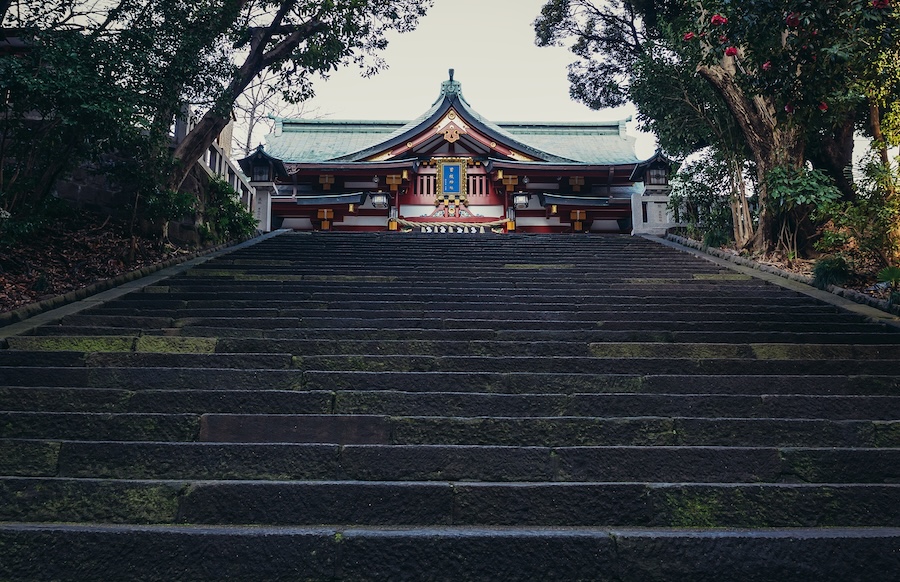
Beyond its public grounds and popular torii gate tunnel, Hie Shrine houses a fascinating shrine treasury (Homotsukan) that displays ancient samurai swords, historic Tokugawa artifacts, traditional festival masks, and ceremonial robes.
The shrine remains an essential center for local community milestones. Throughout the year, you may spot traditional Shinto wedding processions led by red-capped priests, or families dressed in vibrant kimonos celebrating Hatsumiyamai (first baby shrine visit) and Shichi-Go-San.
Visitors can also pick up unique charms (omamori) unique to Hie Shrine, including colorful monkey-shaped amulets designed for match-making, home protection, and business prosperity.
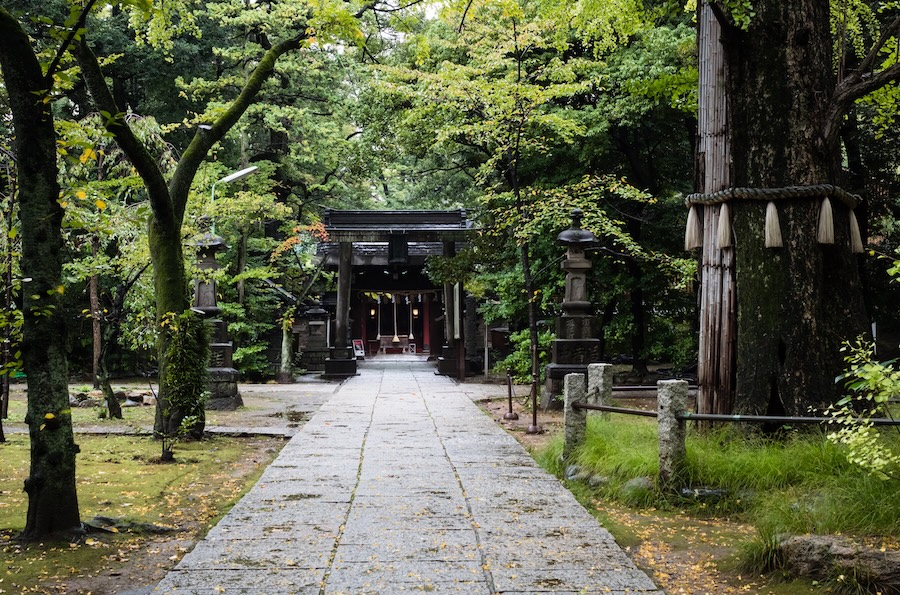
For a meal or coffee break, Akasaka has plenty of cafés, ramen shops, izakayas, and restaurants. Good nearby options include Ninja Akasaka for a fun themed meal, Kisurin Akasaka for ramen, and the cafés around Akasaka Sacas.
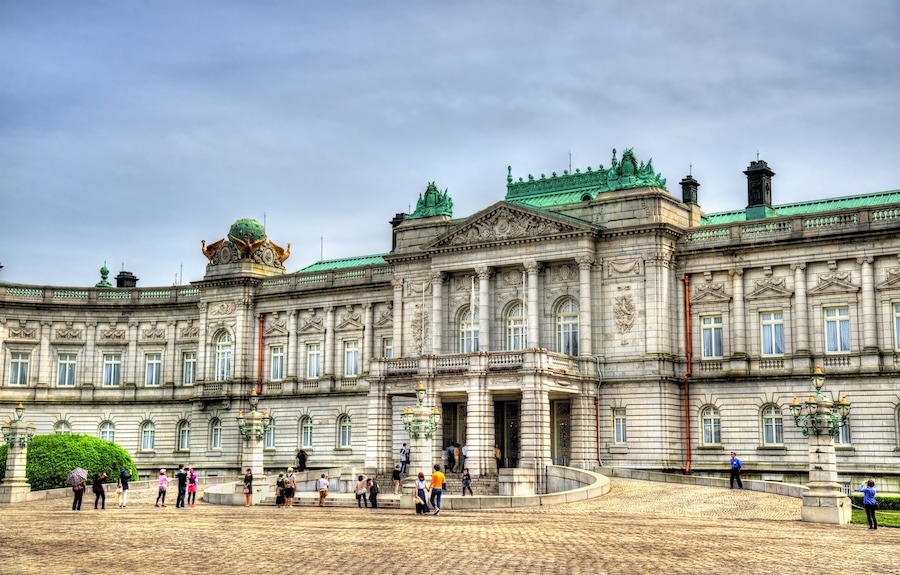
Pair your shrine visit with Akasaka Sacas, the National Diet Building area, Tokyo Midtown, Hinokicho Park, or the State Guest House, also known as Akasaka Palace (and pictured directly below), if it is open to visitors.
For quieter shopping than Shibuya or Shinjuku, try Akasaka Biz Tower Shops & Dining or Tokyo Midtown Galleria, both of which offer restaurants, cafés, lifestyle shops, and boutiques.
Arrive early-morning or late afternoon to avoid any office-rush crowd and enjoy golden light through torii gates.
Must-bring: Your camera or phone (for the torii tunnel), some cash (for an offering or omamori), a power bank (you know the photo spree begins).
What to wear: Comfortable shoes with good grip (there’s some hill climb). Dress smart-casual, the shrine is sacred, but you’re still in Tokyo.
Etiquette: Bow lightly at the main hall, keep voices calm, and remove hats if you approach the worship area.
Best seasons: Spring for cherry blossoms in the courtyard; autumn for colourful leaves on the hill path.
Accessibility: Escalator helps with the hill, but the site involves staircases and slopes, strollers/wheelchairs may need assistance.
Stay: Choose a hotel near Akasaka or Nagatachō, beautiful area, central location, perfect for a relaxed visit.
Transport: If you’re touring beyond Tokyo (Kyoto, Osaka etc.), a full JR Pass may make sense. If you’re sticking to Tokyo, Metro and IC cards suffice.
Connectivity: Rent a Pocket Wi-Fi or buy a Japan SIM, helpful for maps, translations, and snapping your shrine moment.
Meet & Greet: If you arrive at Narita or Haneda and want smooth transit to the shrine zone, consider an airport meet-and-greet service.
Japan Basics: Respect shrine etiquette (quietness, purity fountain, minimal photo disruption). Bring cash, as some shrine stalls may be cash-only.
Q: Do I need a ticket?
A: No. Entry to Hie Shrine is completely free.
Q: Is Hie Shrine kid-friendly?
A: Yes. Many families visit, although some staircases and slopes may be difficult for very young children.
Q: Are pets allowed?
A: Leashed pets are generally permitted in the shrine grounds, although visitors should check current rules before visiting.
Q: Is there shelter from rain?
A: Some covered areas exist near the entrance, but much of the shrine grounds are outdoors, so an umbrella is recommended on rainy days.
Q: What is Hie Shrine famous for?
A: Hie Shrine is famous for its vermilion torii gate staircase, monkey statues, and its connection to the historic Sannō Matsuri festival.
Q: Is Hie Shrine worth visiting?
A: Yes. Hie Shrine offers a peaceful atmosphere, beautiful shrine architecture, and a quieter experience than many of Tokyo’s larger shrines.
Q: Who are the gods at Hie Shrine?
A: The shrine is dedicated to Ōyamakui-no-Kami, also known as Sannō-no-Kami, a deity associated with protection, prosperity, and harmony.
Q: When is the best time to visit Hie Shrine?
A: Early mornings and weekdays are usually the quietest times. Spring and autumn are especially scenic.
Q: How long should I spend at Hie Shrine?
A: Most visitors spend around 30 minutes to 1 hour exploring the shrine grounds and nearby torii gates.
Q: Is Hie Shrine less crowded than Meiji Shrine or Sensō-ji?
A: Yes. Hie Shrine is generally much quieter, making it a great option for travelers looking for a calmer shrine experience in central Tokyo.
Q: What is the historical significance of Hie Shrine?
A: Hie Shrine served as the primary guardian shrine for Edo Castle (now the Imperial Palace) during the Tokugawa Shogunate. It remains closely tied to the spiritual protection of Tokyo and the Imperial family.
Q: Is Hie Shrine fully wheelchair and stroller accessible?
A: Yes, Hie Shrine offers great accessibility thanks to an outdoor escalator and elevators connecting to the main courtyard. However, specific side pathways and the torii gate stairs still require stepping up stairs.
Q: Why are there monkey statues at Hie Shrine instead of fox statues?
A: Monkeys are considered divine messengers of Hie Shrine’s enshrined deity, Ōyamakui-no-Kami. Known as Masaru ("defeating evil"), they symbolize protection, fertility, safe childbirth, and family harmony.
Q: Can I buy omamori (amulets) or get a goshuin (shrine stamp) at Hie Shrine?
A: Yes, the shrine office offers a variety of unique monkey-themed omamori charms as well as beautiful official goshuin stamps for visitors collecting shrine seals.
Q: What is the etiquette for visiting Hie Shrine?
A collection of general Shinto customs applies: bow slightly at the torii gate before entering, wash your hands at the temizuya fountain, keep your voice low, and bow twice, clap twice, bow once when praying at the main hall.
Why should I book with JapanDen?
How do I book a hotel or ryokan through JapanDen?
What types of accommodations do you offer in Japan?
How can JapanDen help with planning my trip?
As well as booking accommodation, JapanDen is a place to learn more about Japan and how you can make the most of your time in this special country. From in-depth region guides to stories from Japan, we’ll be regularly publishing carefully curated insights from Japanese culture, with recommendations for the best activities and attractions and the latest news. Looking forward, we’ll also be adding special community features so you can share ideas and inspiration with like-minded people. Please come back and visit us regularly as we continue to add new content. We want JapanDen to be your home away from home too.
Do you offer guided tours in Japan, and how can I book one?
As part of the JRPass.com group, we offer a dedicated Meet and Greet service with expert personal assistance on your arrival in Japan booked via JRPass.com, alongside nationwide and regional rail passes for travel. As JapanDen grows, we will be offering more services and activities to provide a complete Japan travel experience.
Can I purchase Japan Rail Passes through your website?
JapanDen is part of the JRPass.com group, book your passes and tickets directly on JRPass.com