Tokyo Temples and Shrines
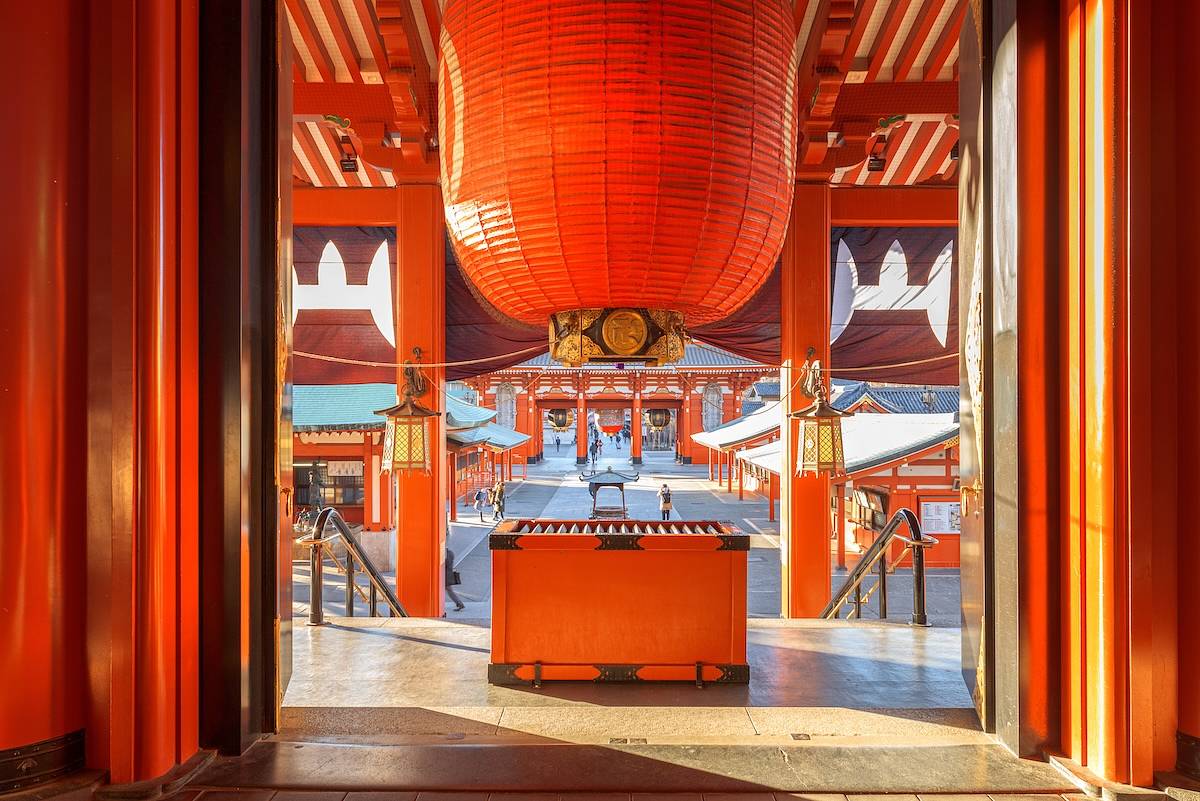
Quiet hearts, loud city
Tokyo is a city where you can race in stilettos and meditate in the same breath. If you came for the neon, you'll remain for the hush: Tokyo temples and shrines nestled between skyscrapers like hidden gardens. This article is your glam-but-grounded walkthrough on what's the difference between a shrine and a temple, which sites are must-sees, how to get there without drama, and how to be courteous while still taking that photo that future self will love. Consider this your stylish guide to Tokyo's temples and shrines, whether you're a couple, a family, or a lone culture seeker.
Key Details |
|
Type |
Temples (Buddhist) & Shrines (Shinto) |
Location |
Tokyo Metropolis (central neighborhoods: Asakusa, Harajuku, Akasaka, Ochanomizu, Roppongi, Shiba Park) |
Address |
Typically sunrise–sunset for grounds; halls vary (often 6:00/8:00–16:00/17:00) |
Opening Hours |
Grounds usually free; paid areas (museums, gardens, treasure halls) may charge small fees |
Admission/Ticket |
Free entry to grounds; small fees (¥300–¥600) for special gardens or museums |
Official Website |
Meiji Jingu: https://www.meijijingu.or.jp/ Sensō-ji: https://www.senso-ji.jp/ Zōjō-ji: https://www.zojoji.or.jp/en/ |
Nearest Station |
All listed sites are within 5–10 minutes’ walk of major JR/Metro stations |
Languages/Signage |
Japanese and English at most major locations |
Best For |
Culture lovers, photographers, couples, and mindful travelers |
What is a Temple?
A Buddhist temple that emphasizes kindness and meditation. Anticipate Buddha statues, prayer wheels, and incense. Tokyo slows to a whisper inside, as clapping is replaced with quiet.
Japan's spiritual architecture is made up of temples and shrines, two religions that are frequently located only a few blocks apart.
What is a Shrine?
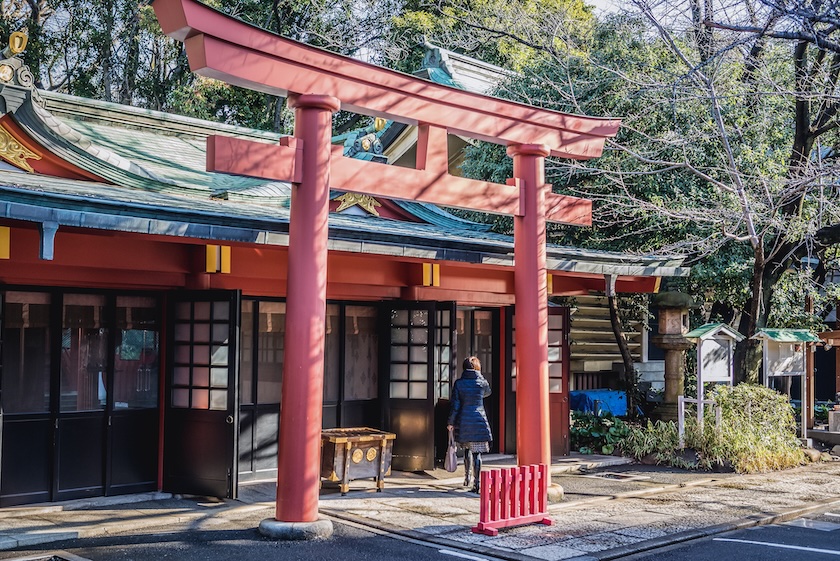
Kami are the spirits or deities of nature, ancestors, and life itself, and this Shinto site commemorates them. Shrine characteristics include hand-cleaning fountains and scarlet torii gates. Instead of expressing their religious beliefs, visitors show respect by bowing twice, clapping twice, then bowing again.
A trip to Tokyo's temples is a multisensory experience that strikes a balance between introspection and exploration. Anticipate:
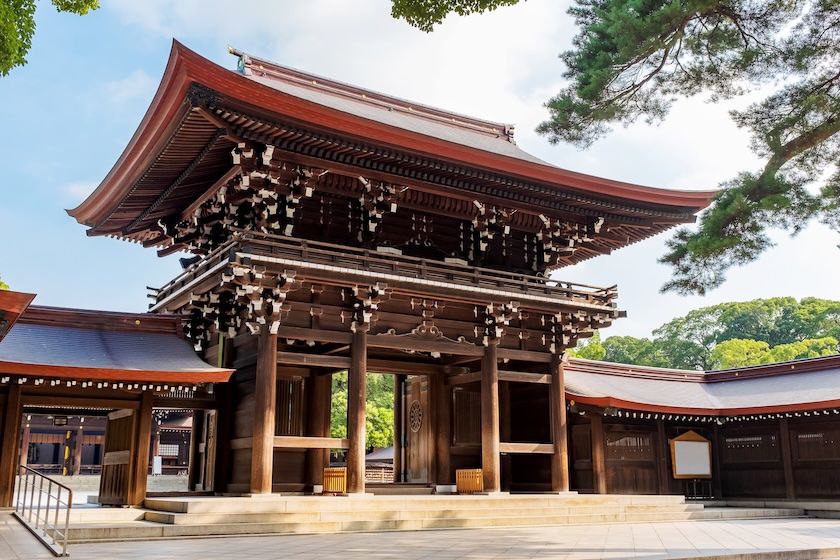
Scenery contrasts: Glass towers encircle wooden gates.
Calm rituals include bowing, clapping, cleaning, and inhaling the aroma of cedar.
Secret spots: peaceful ponds, statuary, and peaceful walkways for introspection.
Charms and mementos: calligraphy stamps (goshuin) and good-luck amulets (omamori).
Photographic magic: Golden-hour lantern light and mist in the early morning.
Family-friendly areas: Most major sights provide stroller access and wide paths.
Every temple is serene, reassuring, and unforgettable, resembling a dialogue between ancient Japan and contemporary Tokyo.

First-time visitors: Easy to reach and deeply cultural.
Couples: Romantic walks under sacred trees or lanterns.
Families: Calm, safe spaces that teach respect and wonder.
Photographers: Endless layers of light, color, and architecture.
Solo travelers: Perfect for slow moments and quiet reflection.
Accessibility: Most temples have ramps and accessible routes; staff are helpful with directions and English support.
Best arrival times: Early morning for quiet, sunset for magical photos.
Tickets: No need to book because most grounds are open and free.
Must-bring: Small coins for offerings, camera, Pocket Wi-Fi, and comfy shoes.
Navigation: English signs are common; Google Maps works perfectly with strong Wi-Fi.
Peak seasons: Spring blossoms and autumn leaves bring the crowds, go early.
Etiquette: Stay quiet in halls, bow before praying, don’t take photos of people praying.
Seasonal tip: Light layers in spring/autumn, warm coat in winter, breathable fabric in summer.
Footwear: Comfortable shoes; easy slip-ons for temples requiring shoe removal.
Dress code: Modest attire (cover shoulders and knees) as respect is always in fashion.
By Train:
Tokyo’s temples are conveniently scattered along major JR and Metro lines.
Meiji Jingu: JR Harajuku / Meiji-jingumae (Chiyoda/Fukutoshin Lines)
Sensō-ji: Asakusa (Ginza, Asakusa, Tobu Skytree Lines)
Zōjō-ji: Onarimon / Shibakoen / Hamamatsuchō (JR/Monorail)
Hie Shrine: Akasaka-mitsuke / Tameike-Sannō
Nogi-jinja: Nogizaka / Roppongi
Yushima Seidō: Ochanomizu / Yushima
By Bus:
Tokyo’s Toei Bus network connects temple neighborhoods like Ueno, Asakusa, and Shibuya.
By Car or Taxi:
Easy for multi-stop temple hopping. Taxis are safe and metered; parking is limited near shrines.
By Foot:
Temple clusters (Asakusa, Harajuku, Akasaka) are perfect for scenic strolls.
Food & Drinks:
Asakusa: Street snacks and old-style tempura.
Harajuku: Trendy cafés, vegan bowls, and sweet crepes.
Akasaka: Quiet soba restaurants and teahouses.
Roppongi: Izakaya and Michelin-star dining.
Attractions & Experiences:
Tokyo Tower: Right beside Zōjō-ji.
Ueno Park: Museums near Yushima Seidō.
Omotesandō: Fashion and architecture near Meiji Jingu.
Shopping:
Sensō-ji’s Nakamise Street: Hand fans, yukata, sweets.
Shrine Shops: Amulets, charms, and goshuin books.

Tokyo’s temples are cultural anchors, spaces where Japan’s dual spiritual traditions meet. Shinto shrines honor life, purity, and nature’s spirits; Buddhist temples explore peace, compassion, and rebirth. Locals often visit both: a shrine for New Year blessings, a temple for memorials.
Highlights include:
Meiji Jingu’s vast forest of 100,000 trees.
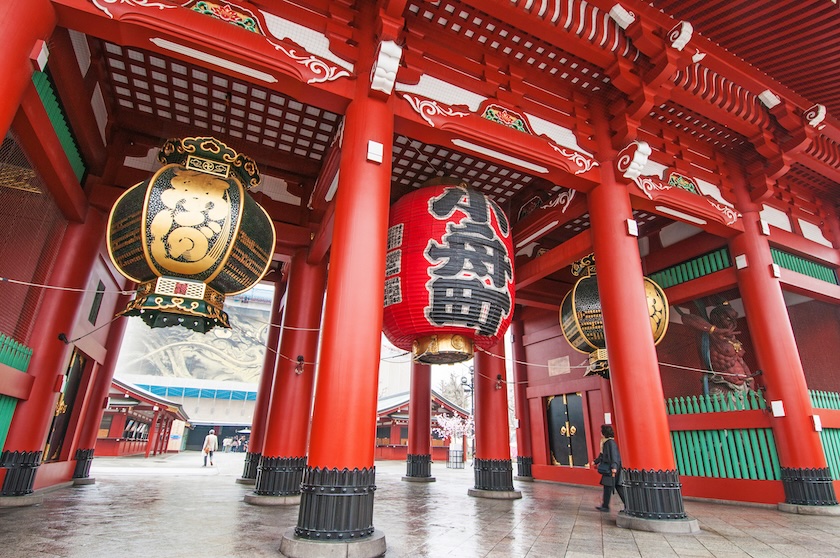
Sensō-ji’s 1,400-year history and lively markets.
Zōjō-ji’s stunning skyline backdrop with Tokyo Tower.
Hie Shrine’s torii-lined staircase (a hidden Instagram gem).
Together, they tell Tokyo’s story, a city that prays, laughs, and lives in perfect balance.
Stay: For convenient temple access, pick lodgings close to Asakusa, Ueno, Shibuya, or Hamamatsuchō. For comfort and convenience, check out JapanDen's carefully chosen accommodations close to temple districts.
Transport:
For long-distance itineraries (Tokyo–Kyoto–Osaka), choose the JR Pass (7-day), which covers Shinkansen and JR locals.
For regional trips, try the JR TOKYO Wide Pass or other Regional Passes.
Inside Tokyo, use Suica or PASMO cards for subways and buses.
Connectivity:
Stay online with Pocket Wi-Fi or a local SIM card (available at checkout when booking your JR or Regional Pass). You’ll want it for maps, translations, and temple guides.
Personal Assistance:
Add JapanDen’s Meet & Greet Service and we’ll help you navigate arrivals, train passes, and hotel check-ins with ease.
Japan Basics:
Always bow when entering sacred areas.
Use cash for donations and charms.
Keep your voice soft, even silence has etiquette.
In Tokyo, peace isn’t the absence of sound, it’s the presence of meaning
Do I need a ticket?
Most temples are free to enter; some inner gardens or treasure halls charge small fees (¥300–¥600).
Is it kid-friendly?
Yes, open spaces and gentle rituals make it great for families.
Is there shelter from the rain?
Many have covered gates and halls, but bring an umbrella for temple grounds.
Are pets allowed?
Usually not inside halls, but some shrine grounds allow leashed pets.
The most famous temple in Tokyo is Sensō-ji, located in Asakusa.
In Japan, a Buddhist temple is a place where people bow silently, burn incense, and pray to the Buddha. Shinto shrines are devoted to kami, or nature spirits, and are identified by torii gates, purifying fountains, and the bow-clap-pray-bow process.
While modesty is important, there isn't a rigid dress requirement for Japanese temples. Steer clear of revealing clothing, short shorts, and sleeveless tops. Some places ask you to take off your shoes before you can enter, so comfortable shoes are essential. Think polite, orderly, and straightforward; serene energy blends in perfectly.
Why should I book with JapanDen?
How do I book a hotel or ryokan through JapanDen?
What types of accommodations do you offer in Japan?
How can JapanDen help with planning my trip?
As well as booking accommodation, JapanDen is a place to learn more about Japan and how you can make the most of your time in this special country. From in-depth region guides to stories from Japan, we’ll be regularly publishing carefully curated insights from Japanese culture, with recommendations for the best activities and attractions and the latest news. Looking forward, we’ll also be adding special community features so you can share ideas and inspiration with like-minded people. Please come back and visit us regularly as we continue to add new content. We want JapanDen to be your home away from home too.
Do you offer guided tours in Japan, and how can I book one?
As part of the JRPass.com group, we offer a dedicated Meet and Greet service with expert personal assistance on your arrival in Japan booked via JRPass.com, alongside nationwide and regional rail passes for travel. As JapanDen grows, we will be offering more services and activities to provide a complete Japan travel experience.
Can I purchase Japan Rail Passes through your website?
JapanDen is part of the JRPass.com group, book your passes and tickets directly on JRPass.com