The Kiso Valley: Walking the Nakasendo Through Magome, Tsumago, and Narai
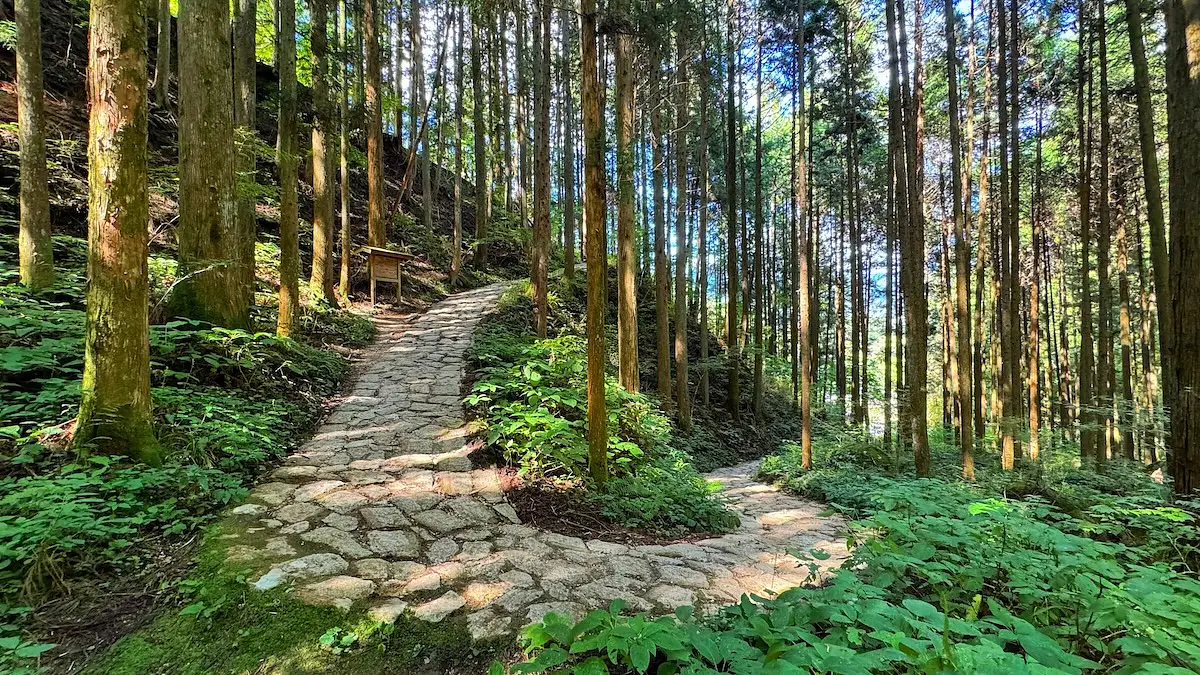
Japan's most stylish time machine
Certain places require you to hurry. The Kiso Valley invites you to take a deep breath, slow down, and even reevaluate how you feel about alerts. The ancient Nakasendo highway, which formerly linked Edo and Kyoto, is one of Japan's greatest historical treasures, and it is located in the Kiso Valley between the mountains of Nagano Prefecture and Gifu Prefecture. Kiso Valley is Japan barefoot on polished wood floors, sipping green tea, if Tokyo is Japan in heels and Osaka is Japan after two cocktails. And to be real? She looks stunning in it.

Topic |
Info |
|---|
Destination Type |
Historic experiences, outdoor activities |
Location |
Kiso Valley |
Best Time To Visit |
All year round, but hiking is best from Spring until Autumn |
Best For |
Walking and hiking enthusiasts, history lovers, couples, solo travellers, families |
Famous For |
The historic Nakasendo trail that connects some of Japan's best preserved historic towns |
Recommended Stay |
Magome, Tsumago, Narai |
Risk If You Miss |
Missing one of Japan's most authentic experiences |
Best Time To Plan |
Before booking accommodation |
Good To Know |
This is your chance to walk through preserved Edo-period towns |
Travel Style |
Slow travel, hiking, culture, history |
The Kiso Valley is home to several wonderfully maintained juku, or post towns, that originally welcomed travelers passing through on the Nakasendo route centuries ago. Unlike reconstructed historical villages, these towns never lost their identity. People are still living here. Flowers still dangle on wooden balconies. Cats still assess tourists via entrances. The end result is something increasingly rare in modern travel: authenticity that does not need to be announced.

The legendary hike between Magome-juku and Tsumago-juku is around 8 kilometers long and often takes three hours. Which way should you walk? Magome to Tsumago. Always Magome to Tsumago. Not because of philosophy. Because gravity is your buddy. The journey is primarily downhill and much gentler on your knees and life choices.
It sounds romantic to drag a bag across mountain paths, but it's not until you've done it. Luckily, luggage forwarding services run between the towns during the day, so all you need to hike is water, snacks, and your spirit of adventure. It's one of those subtly clever Japanese answers that makes you question why the rest of the world takes such pleasure in misery.
Indeed, bear bells are provided on several parts of the trail. No, this isn't advertising. The stunning forests are sometimes inhabited by wildlife. Along the path is the famous Tateba tea house, which has been a stop for travelers for centuries. Certain customs ought to endure.
By late afternoon, a lot of travelers depart. They ought not to. The lanterns start to sparkle, the valley gets quieter, and historic inns start offering dinners that somehow make every choice you make in life feel right.

First-time visitors to Japan.
Couples looking for a slower experience.
Families with older children.
Photographers.
Travellers interested in Japanese history.
Have mobility concerns, as some streets are steep.
Travel with strollers or large luggage.
Visit during winter when snow may affect paths.
After visiting Kiso Valley, you could change your mind about staying in Tokyo or Osaka for the duration of your vacation.

Tokyo moves fast.
Kyoto moves elegantly.
The Kiso Valley barely moves at all.
English support is more limited here than in larger cities, smaller shops may only accept cash, and transport runs less frequently. Planning ahead becomes much more important.
Spring brings cherry blossoms.
Summer delivers lush green forests.
Autumn transforms the valley into one giant postcard.
Winter covers the streets in snow and makes every photo look expensive.
The valley works particularly well as part of a slow travel Japan itinerary or a wider Japan road trip through central Japan.

Reserve accommodation early.
Decide whether to stay in Tsumago or Narai.
Purchase a JR Pass or Regional Pass if travelling between multiple cities.
Download offline maps for the trail.
Comfortable walking shoes.
Rain jacket.
Cash.
Portable charger.
Pocket Wi-Fi or SIM card.
Small backpack for the hike.
Start your hike early.
Travel with a light bag.
Carry cash.
Stay overnight if possible.
Visit Narai as well as Magome and Tsumago.
Don't bring large suitcases onto the trail.
Don't rely entirely on credit cards.
Don't expect late-night restaurants.
Don't underestimate travel times between buses and trains.
Missed a bus? Local station staff are incredibly helpful.
Forgot cash? Most stations have ATMs that accept international cards.
Accommodation fully booked? Expand your search to nearby Nagiso or Nakatsugawa.
Have a Meet and Greet service to help you at the airport.

Couple on a 10-Day Trip
Combine Tokyo, Kyoto and the Kiso Valley for one night of slower travel between the cities.
Family Visiting Multiple Cities
Use the valley as a relaxing break between busier destinations such as Tokyo and Osaka.
Solo Traveller or Backpacker
The Nakasendo trail is safe, easy to navigate and ideal for independent travellers looking to experience rural Japan. This pairs particularly well with a wider rural Japan itinerary or central Japan rail journey.
Q: Is the Magome to Tsumago hike difficult?
A: No, it's an easy 8km walk that takes around 3 hours.
Q: Which direction should I walk?
A: Most travellers choose Magome to Tsumago because it's mostly downhill.
Q: Can I visit Kiso Valley as a day trip?
A: Yes, but staying overnight gives a much better experience.
Q: Is luggage forwarding available?
A: Yes, luggage can be sent between Magome and Tsumago.
Q: Which post town is the best?
A: Magome has the views, Tsumago the history, and Narai the charm.
Q: How many days do I need in Kiso Valley?
A: Two days is ideal to enjoy the area properly.
Q: Is Kiso Valley suitable for families?
A: Yes, especially for families with older children.
Q: Do I need a JR Pass to Kisoo Valley?
A: Not necessarily, but it can save money on a wider trip to Japan.
Q: Are bear bells necessary?
A: They're optional, but many hikers use them on quieter trails.
Q: What is the best season to visit?
A: Autumn is the favourite, but spring is beautiful too.
Why should I book with JapanDen?
How do I book a hotel or ryokan through JapanDen?
What types of accommodations do you offer in Japan?
How can JapanDen help with planning my trip?
As well as booking accommodation, JapanDen is a place to learn more about Japan and how you can make the most of your time in this special country. From in-depth region guides to stories from Japan, we’ll be regularly publishing carefully curated insights from Japanese culture, with recommendations for the best activities and attractions and the latest news. Looking forward, we’ll also be adding special community features so you can share ideas and inspiration with like-minded people. Please come back and visit us regularly as we continue to add new content. We want JapanDen to be your home away from home too.
Do you offer guided tours in Japan, and how can I book one?
As part of the JRPass.com group, we offer a dedicated Meet and Greet service with expert personal assistance on your arrival in Japan booked via JRPass.com, alongside nationwide and regional rail passes for travel. As JapanDen grows, we will be offering more services and activities to provide a complete Japan travel experience.
Can I purchase Japan Rail Passes through your website?
JapanDen is part of the JRPass.com group, book your passes and tickets directly on JRPass.com