Tattoo-Friendly Onsen and Sento in Tokyo in Japan

Ink welcome, stress gone
Tattoos and Tokyo? Relationship status used to fall somewhere between "complicated" and "absolutely not."
However, things are changing, and fortunately for travelers with tattoos, Tokyo now has a number of really inviting bathhouses where you may soak without worrying about side-eyes, stress, or embarrassing towel gymnastics.
The top tattoo-friendly onsen in Tokyo that visitors may actually use are covered in this list, including airport spas, premium ryokan baths, retro sento, and private baths. We'll also go over the best places to stay, how tattoo cover stickers used by tourists in Japan function, and onsen regulations that visitors should be aware of.
Your body deserves hot water and relaxation after hauling luggage through Shinjuku Station.
Topic |
Info |
Topic type |
Cultural experiences / relaxation |
Best moment to think about this: |
Before booking accommodation |
Best For |
|
Good to know |
|
Risk if you ignore |
|
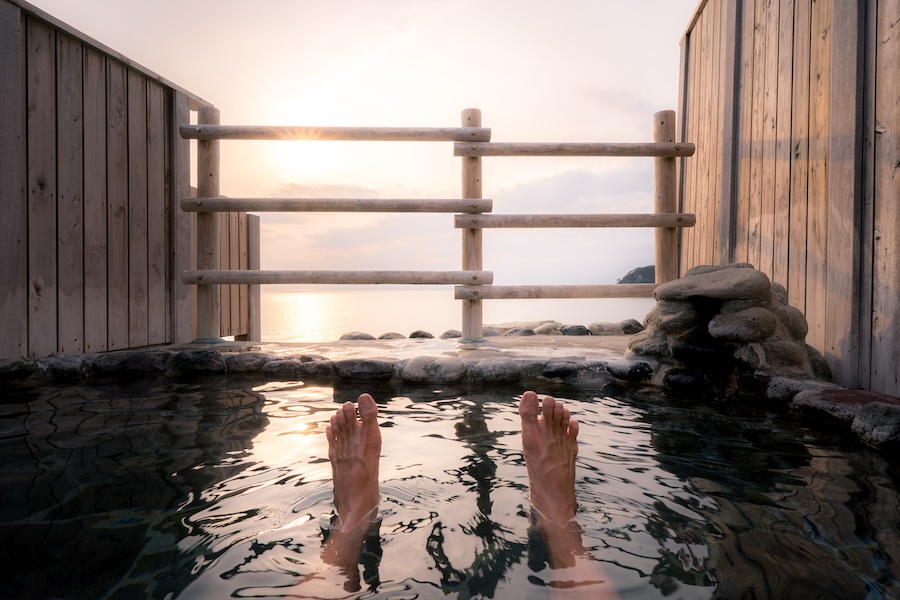
A tattoo-friendly onsen or sento is a bathhouse that allows guests with tattoos to enter and use the baths.
Some places fully allow tattoos, while others may require cover stickers for smaller tattoos.
Private bath options called kashikiri buro are also available for travellers who prefer more privacy.
Japan has different cultural attitudes toward tattoos compared to many Western countries.
Tattoos were historically associated with the yakuza, which is why some traditional bathhouses still restrict them.
Policies vary depending on the venue, especially between:
sento (public bathhouses)
modern spas
traditional ryokan
countryside onsen towns
Unlike many countries where tattoos are common in spas and pools, Japan still treats bathing etiquette more formally.
English information is not always clear online, which can make first-time visitors nervous.
Checking into ryokan or hotels with public baths
Visiting onsen towns like Hakone
Relaxing after sightseeing in Tokyo
Using airport spas near Haneda
Booking accommodation with wellness facilities
Looking for late-night relaxation after long train rides or walking days
You avoid awkward situations at the entrance
You can confidently choose tattoo-friendly bathhouses in advance
You understand basic etiquette before arriving
You’ll feel far more relaxed during your trip
Once you understand how onsen culture works in Japan, the experience becomes much smoother and far less stressful
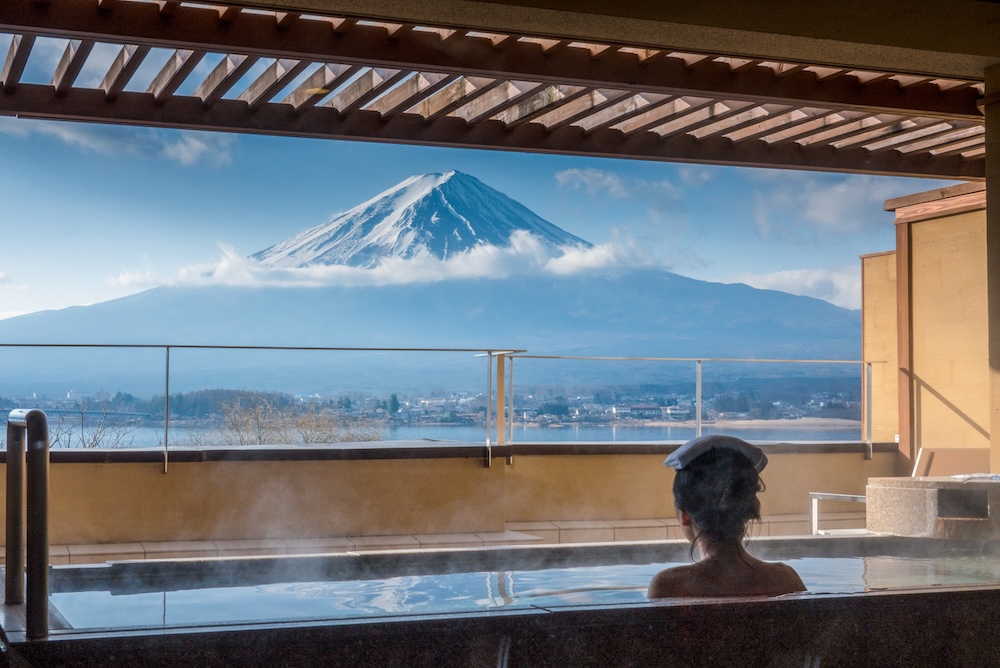
It can be a little scary at first to check into lodging in Japan, particularly if your hotel or ryokan has a communal bath. While some locations may have limits or require cover stickers, others may be completely tattoo-friendly. Checking policies before making a reservation or selecting lodging with private baths is the simplest approach to avoid unpleasant surprises.
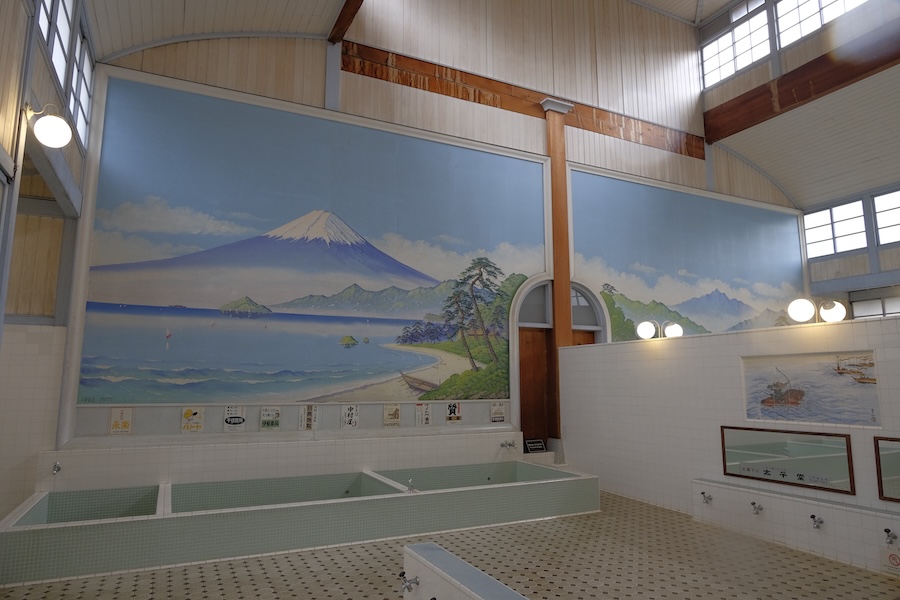
Many tourists end up at a sento to unwind their aching legs and get away from the bustle after a long day of touring Tokyo. Generally speaking, the atmosphere is serene, quiet, and unexpectedly tranquil. The etiquette is actually rather straightforward: wash before entering the bath, keep your towel out of the water, and speak gently. However, first-time guests frequently worry about making mistakes.
Travelers who believe all Japanese bathhouses operate in the same manner may be surprised to learn that traditional onsen towns like Hakone still have tougher tattoo regulations. Preparing ahead of time or scheduling a private bath option reduces stress and improves the experience.
You’ll also notice this during long travel days between cities. Japan involves more walking, train changes, and stair climbing than many visitors expect, so a hot bath quickly becomes part of the recovery routine. Staying near a tattoo-friendly bathhouse makes multi-city trips feel much smoother.
Everything becomes simpler if you grasp how onsen culture operates in Japan. To be honest, bathing in hot mineral water after transporting bags through Tokyo Station seems like one of the best choices you'll make during your vacation.
Travelers who are visiting Japan for the first time and are uncertain about tattoo regulations or onsen etiquette will find this guide very useful. Because long train travels and constant walking make hot baths feel completely transformative by day three, it's also ideal for folks traveling between cities.
First-time visitors to Japan
Tattooed travellers with visible ink
Couples booking ryokan stays
Solo travellers wanting local experiences
Shy or introverted travellers
People planning long multi-city trips
Travellers interested in Japanese culture and wellness
It becomes considerably more crucial to examine policies in advance if you have whole sleeves or larger tattoos. Selecting totally tattoo-friendly sento or private baths typically results in a more seamless and stress-free experience.
Have mobility issues and need accessible facilities
Travel with small children and need more space
Prefer private baths over public bathing
Are travelling on a tight budget
Feel nervous about Japanese etiquette or language barriers
You’ve visited Japan before
You’re staying only in Tokyo
You already know basic onsen etiquette
Your tattoos are very small and easy to cover
Even experienced Japan travellers still check tattoo policies, since rules can vary a lot between bathhouses, hotels, and onsen towns.
It's significantly simpler to locate tattoo-friendly bathhouses in major cities like Tokyo and Osaka. English support is frequently greater, and modern sento, hotel spas, and visitor-friendly amenities are typically more adaptable. First-timers find the ambiance less daunting because many Tokyo bathhouses are already accustomed to foreign guests.
Kyoto can feel more traditional, particularly in ryokan and ancient districts. Some places still allow tattoos, but the restrictions are usually tougher than in Tokyo, so planning ahead becomes more crucial.
Traditional rules prevail in smaller towns and rural onsen locations such as Hakone and Kusatsu. Tattoos may still be strictly prohibited in some bathhouses, particularly older ryokan with shared baths. Private baths are frequently the safest and most soothing option in these places.
Tourist hotspots usually have:
better English signage
clearer tattoo policies
easier online booking
more acceptance of foreign visitors
Onsen become even more popular
Outdoor baths feel incredible in cold weather
Bathhouses are usually busier in evenings and weekends
Great after humid sightseeing days
Cold plunge pools become especially popular
Smaller sento can feel less crowded during daytime hours
Usually only need one or two easy tattoo-friendly bath options
Staying near your bathhouse makes everything easier
Onsen become part of the recovery routine after long train days
Planning ahead matters more outside Tokyo
Easier to explore local neighbourhood sento
More flexibility for ryokan stays and private bath experiences
Before your trip, it's essential to research which bathhouses are truly tattoo-friendly, rather than thinking that every onsen in Japan follows the same standards. Policies vary greatly between sento, hotel spas, and traditional ryokan, particularly outside Tokyo.
Before leaving home, make a few basic steps to make the event go more smoothly.
Save a shortlist of verified tattoo-friendly onsen and sento
Book private baths or tattoo-friendly ryokan early
Choose accommodation near bathhouses if possible, you can find on Japanden
Research whether your tattoos need cover stickers
Learn basic onsen etiquette before arriving
Book a JR Pass for multi-city travel or a Regional pass depending on your route
Reserve accommodation in advance during busy seasons
Download Google Maps and Google Translate
Consider Pocket Wi-Fi Japan Rental for easier navigation and translations
Plan a meet and greet if you want things to go smoother
You don’t need much for Japanese bathhouses, but a few small things make a huge difference.
Small towel or compact travel towel
Comfortable clothes for after bathing
Slip-on shoes or sandals
Waterproof pouch for valuables
Tattoo cover stickers if needed
Small coin purse or cash for sento entry fees
Wash before entering the bath
Keep towels out of the water
Speak quietly inside bathing areas
Don’t bring phones into the bath area
Double-check tattoo policies before arriving
Do wash thoroughly before entering the bath
Do keep your towel out of the water
Do check tattoo policies before arriving
Do bring some cash for smaller sento
Do keep your voice low inside bathing areas
Do tie long hair up before entering the bath
Do try neighbourhood sento for a more local experience
Do use private baths if you feel nervous about tattoos
Don’t assume every onsen in Japan is tattoo-friendly
Don’t bring phones into bathing areas
Don’t wear swimsuits inside traditional baths
Don’t splash or swim in the water
Don’t stare at other guests or their tattoos
Don’t panic if staff speak limited English
Don’t leave your towel floating in the bath
Don’t wait until the last minute to research policies
Mistakes happen, even Japanese locals occasionally forget etiquette rules.
If you accidentally do something wrong:
apologise briefly and politely
follow what other guests are doing
ask staff for help if you’re unsure
use Google Translate for simple communication
look for signs or illustrated instructions near the baths
If you're traveling between Tokyo, Kyoto, and Hakone, plan your tattoo-friendly onsen activities before booking your hotel. Choose a hotel near Sento in Tokyo, then reserve a private ryokan bath in Hakone for a more romantic experience. Booking a JR Pass before arriving also makes city-to-city travel much smoother.
Families traveling between Tokyo, Osaka, and Kyoto frequently wind up walking much further than anticipated, particularly around trains and attractions. Staying near bathhouses or hotel spas might help everyone unwind in the evenings. Larger modern spas are typically more convenient for families because they provide more room, rental amenities, and clearer English signage.
Neighborhood sento are ideal for solo travelers seeking an economical and unique local experience. Instead of pricey hotel spas, budget travelers can unwind after sightseeing or train travel by visiting tattoo-friendly public baths. Areas such Tokyo Koenji, Nakano, and Asakusa are particularly good for striking this mix between atmosphere and affordability.
Travellers who spend many weeks in Japan usually get considerably more comfortable with onsen culture after their initial visit. Instead of seeing bathhouses as a one-time event, many individuals begin incorporating them into their daily routine following lengthy tourist days, rainy afternoons, or train-heavy itineraries.
Are tattoos really banned in Japanese onsen?
It depends entirely on the venue. Traditional ryokan are often stricter, while Tokyo sento and modern spas are increasingly flexible.
Can foreigners with tattoos use onsen?
Yes. Many Tokyo bathhouses now openly welcome tattooed travellers.
Will tattoo cover stickers work?
Usually yes, provided they completely cover the tattoo and stay attached properly.
Is Spa LaQua tattoo-friendly?
Yes, though visible tattoos require cover-up stickers.
Which Tokyo onsens accept tattoos?
Daikoku-yu, Mannenyu, Kosugiyu, and Hasunuma Onsen are popular tattoo-friendly options in Tokyo.
Can I go to an onsen in Japan if I have tattoos?
Yes. Many Tokyo sento and modern spas now allow tattoos, though some traditional onsen still restrict them.
Are Shinjuku onsen tattoo-friendly?
Some are. Ryokan Yuen Shinjuku and nearby Mannenyu are popular choices for tattooed travellers.
Why should I book with JapanDen?
How do I book a hotel or ryokan through JapanDen?
What types of accommodations do you offer in Japan?
How can JapanDen help with planning my trip?
As well as booking accommodation, JapanDen is a place to learn more about Japan and how you can make the most of your time in this special country. From in-depth region guides to stories from Japan, we’ll be regularly publishing carefully curated insights from Japanese culture, with recommendations for the best activities and attractions and the latest news. Looking forward, we’ll also be adding special community features so you can share ideas and inspiration with like-minded people. Please come back and visit us regularly as we continue to add new content. We want JapanDen to be your home away from home too.
Do you offer guided tours in Japan, and how can I book one?
As part of the JRPass.com group, we offer a dedicated Meet and Greet service with expert personal assistance on your arrival in Japan booked via JRPass.com, alongside nationwide and regional rail passes for travel. As JapanDen grows, we will be offering more services and activities to provide a complete Japan travel experience.
Can I purchase Japan Rail Passes through your website?
JapanDen is part of the JRPass.com group, book your passes and tickets directly on JRPass.com