Swear words in Japan

Blend, don’t offend
If you’ve ever searched for swear words in Japanese, you’ve probably noticed something surprising: they don’t work the same way as in English. This guide explains Japanese curse words, rude expressions, and social habits to avoid, so you don’t accidentally sound offensive while traveling.
Japan places a strong emphasis on politeness, tone, and social context, which means that what sounds harmless to you could come across as rude depending on how it’s said. This article is designed for first-time visitors, casual travelers, and anyone interacting with locals, whether at restaurants, hotels, or with friends.
Topic type: Language & cultural etiquette.
Best moment to think about this: Before your trip.
Ideal for: First-time visitors, solo travelers, anyone speaking basic Japanese.
Risk if you ignore it: You might sound unintentionally rude or overly aggressive.
Plain-language definition: While Japanese has swear words, the way they are expressed differs from English.
Compared to English, Japanese has fewer direct swear words. Instead, rudeness is expressed in the following ways:
・Tone of voice
・Word choice (especially pronouns)
・Level of politeness
In many cases, how something is said is more important than what is said.
Why it matters in Japan:
In many Western languages, swear words function as an outlet for emotion. However, Japanese swear words are quite different.
Because Japanese is a high-context culture that values harmony (wa), direct insults are often considered extremely immature and dangerous behavior. When you search for bad words in Japanese, you'll surprisingly find that the "worst" words are often not blatant expressions, but rather phrases that sound arrogant or give the impression of lacking social consideration. Understanding this shift in awareness from "vocabulary-based" insults to "context-based" social cues will make communication smoother.
When it shows up in a trip:
At hotels and shops: Using overly casual or demanding language with staff can be seen as rude.
On public transport: Loud conversations or aggressive behavior are viewed as disruptive to the shared space.
Socializing: Using "curse words" you may have heard in anime or pop culture will likely cause shock or discomfort, as those words are often far more intense or crude than they appear on screen.
Once you understand that politeness is your most powerful tool in Japan, your interactions become much smoother. Taking a moment to be soft-spoken and respectful helps you blend in, avoid accidental offense, and enjoy a far more welcoming experience.
Meeting at a Social Gathering (Izakaya/Events):
What usually happens: Arriving at your hotel or ryokan for check-in.
What can go wrong if people don’t know this tip: Fatigue can lead to using demanding or overly casual language. This creates a barrier with staff and may result in a less helpful service experience.
How the right behaviour/packing/decision makes things smoother: A simple greeting with a polite bow and using formal language (desu/masu forms) goes a long way. Staff will be much more eager to assist you, ensuring a welcoming start to your stay.
Traveling on Crowded Public Transportation:
What usually happens: When using public transportation during rush hour or commuting hours.
What can go wrong if people don’t know this tip: Speaking loudly on your phone or blocking aisles with large luggage is seen as disruptive and inconsiderate, marking you as a "tourist who doesn't know local etiquette."
How the right behaviour/packing/decision makes things smoother: Enjoy the conversation without pressure. Exchanging LINE contact details is a normal, low-stakes next step.
Eating Out:
What usually happens: Ordering at a local restaurant or izakaya.
What can go wrong if people don’t know this tip: Snapping your fingers or shouting across the room to get a server's attention is considered very rude. Ordering in an aggressive, "give me this" tone creates an uncomfortable atmosphere.
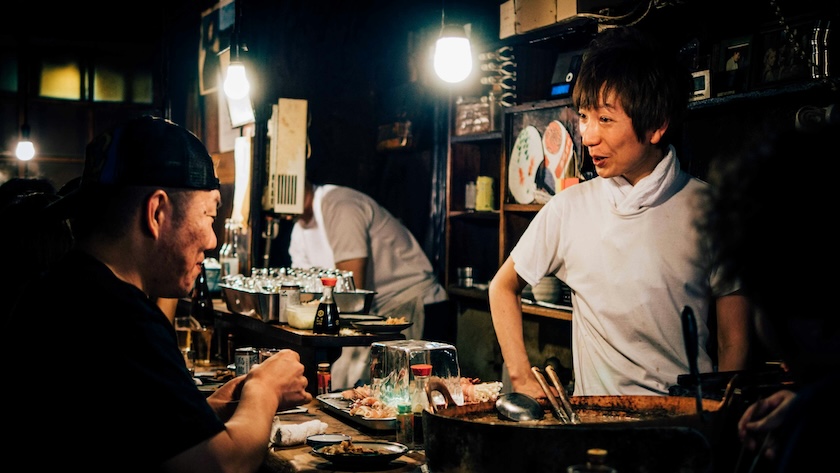
How the right behaviour/packing/decision makes things smoother:Simply raise your hand and say "Sumimasen" (Excuse me) politely. Saying "Gochisosama-deshita" (Thank you for the meal) after eating will earn you genuine smiles from the staff.
Especially helpful for:
First-time visitors to Japan: If you're unfamiliar with Japanese social norms, use these tips to avoid unintentionally embarrassing situations by being mindful of Japanese swear words.
Language and Japanese culture learners: If you're trying to speak basic Japanese, learning how to use Japanese respectfully, rather than just memorizing vocabulary, will help you communicate more effectively.
Things to consider if you:
Travelers with young children: While parents are usually considerate to some extent, being mindful of loud noises and aggressive gestures can help maintain peace in the surrounding area.
Not critical but still nice to know if:
While not essential, it's good to know in the following cases:Repeat visitors: Knowing the boundary between "jokes" and "insults" is important when interacting with locals. Reconfirming your knowledge will enable more refined communication and prevent your manners from becoming stagnant.
While the core principles of politeness remain constant throughout Japan, the "social pressure" can vary depending on your location:
Big cities (Tokyo, Osaka, Kyoto).
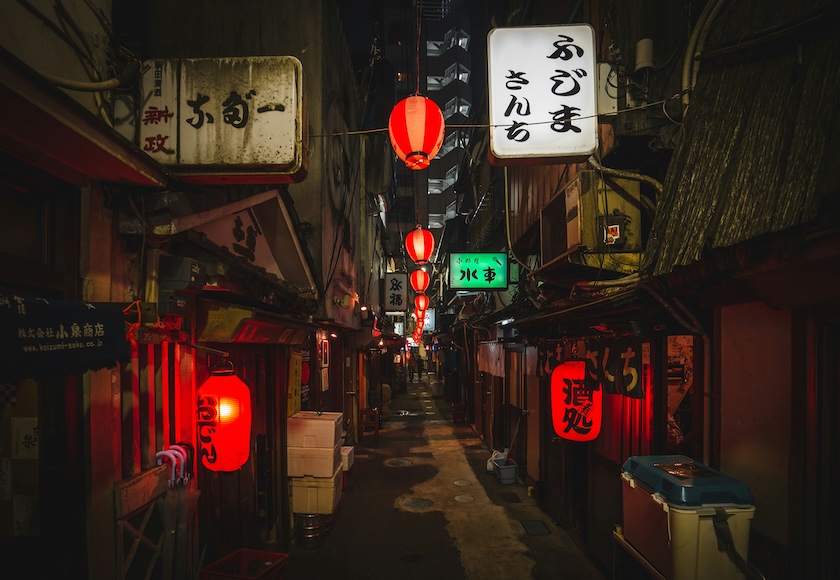
These urban centers are accustomed to international visitors. While locals are slightly more forgiving of minor language slips, they are also highly sensitive to disruptions. In crowded areas like Shinjuku or Osaka’s Dotonbori, keeping your voice low and being mindful of your space is essential to maintaining the "social harmony" that keeps these fast-paced cities running smoothly.
Smaller towns / rural areas.
In quieter, rural regions, politeness is deeply woven into the fabric of daily life. Because these areas are less accustomed to large tourist crowds, your behavior is more noticeable. Here, taking the time to greet shop owners or using slightly more formal language is often rewarded with warmer, more personalized service.
Tourist hotspots vs quieter neighbourhoods.
Even in busy tourist districts, never assume that "anything goes." While you might feel like you are in a "bubble" of fellow travelers, you are still interacting with local staff and residents. In quieter residential neighborhoods, the expectation for silence and order is significantly higher; avoid loud conversations or blocking narrow streets with luggage.
Multi-City Rail Trips: When you are constantly moving through major train stations and boarding Shinkansen, you are frequently entering public shared spaces. Your luggage handling and volume on trains become your most visible "etiquette markers." Remember that stations are high-stress environments for locals, so being efficient and quiet is the best way to avoid friction. One example:"Baka" means "Idiot" or "Fool." While it can be used as a joke among close friends, it's an insult when said to a stranger.
Master Essential Polite Phrases: Don’t worry about learning complex sentences. Focus on mastering just three key terms that will handle 90% of your interactions:
・Sumimasen (Excuse me / Sorry)
・Arigato gozaimasu (Thank you - polite)
・Onegaishimasu (Please / I would like...)
Secure Your Connectivity: A reliable Pocket Wifi or eSIM is your most important tool. It allows you to use real-time translation apps and look up cultural etiquette on the fly, which is vital when you are unsure how to act in a specific situation.
Research Your Passes: If you plan on traveling between cities, organize your JR Pass in advance. Knowing your transport logistics ahead of time means less rushing and more time to focus on being a respectful, mindful visitor.
If packing-related:
Translation Apps: Have Google Translate or DeepL ready
If etiquette/safety/money-related:
Carry Cash: While credit cards are widely accepted, always carry some yen. Being able to pay quickly and smoothly at small shops and shrines is a sign of a well-prepared and polite traveler.
Stay Safe: Always meet in public places and save your accommodation's address (in Japanese) on your phone.
"Keep Your Voice Low": Practice being mindful of the volume of your voice. Japan is a quiet society. Aim to speak at a volume that only the person you are talking to can hear.
"Observe Mode": Before acting, focus on observing. In restaurants and train stations, observe the behavior of locals before starting a conversation. Mimicking the pace and volume of those around you is the most effective way to blend in.
Do use polite verb endings (-masu).
Do apologize to Sumimasen if you accidentally bump into someone.
Do keep your voice low on public transport.
Do keep your voice calm
Do observe how locals speak
Don’t mimic aggressive language from anime.
Don’t use "crude" pronouns like temee or kisama—these are highly offensive.
Don’t assume that because you are a tourist, social rules don't apply.
Don’t raise your voice
Don’t try to be “funny” with insults
If you realize you’ve said something awkward, a simple, sincere smile and an apology (Sumimasen) are usually enough. Most locals appreciate the effort to be polite and will be forgiving of minor language slips.
For First-Timers: Book a hotel in the city center, close to major transportation hubs, by JapanDen.
Language learners: Practice your politeness with local shopkeepers. They will appreciate the effort to be respectful, making your learning experience far more rewarding.
Note: Use Meet & Greet for smoother arrival if you’re new to Japan
Q:Is swearing common in Japan?
A: No. Overt profanity is rare in daily life. Most Japanese people express anger or frustration through silence, stiff body language, or changes in politeness levels rather than shouting curse words.
Q: Can tourists offend people by accident?
A: Yes. Offense usually stems from ignoring personal space, being too loud, or using overly casual speech with strangers.
Q: Are anime swear words used in real life?
A:Generally, No. Words heard in anime are often exaggerated for dramatic effect. Using them in public can make you sound aggressive or socially stunted.
Why should I book with JapanDen?
How do I book a hotel or ryokan through JapanDen?
What types of accommodations do you offer in Japan?
How can JapanDen help with planning my trip?
As well as booking accommodation, JapanDen is a place to learn more about Japan and how you can make the most of your time in this special country. From in-depth region guides to stories from Japan, we’ll be regularly publishing carefully curated insights from Japanese culture, with recommendations for the best activities and attractions and the latest news. Looking forward, we’ll also be adding special community features so you can share ideas and inspiration with like-minded people. Please come back and visit us regularly as we continue to add new content. We want JapanDen to be your home away from home too.
Do you offer guided tours in Japan, and how can I book one?
As part of the JRPass.com group, we offer a dedicated Meet and Greet service with expert personal assistance on your arrival in Japan booked via JRPass.com, alongside nationwide and regional rail passes for travel. As JapanDen grows, we will be offering more services and activities to provide a complete Japan travel experience.
Can I purchase Japan Rail Passes through your website?
JapanDen is part of the JRPass.com group, book your passes and tickets directly on JRPass.com