Surfing in Japan

Catch waves, not crowds or…feelings
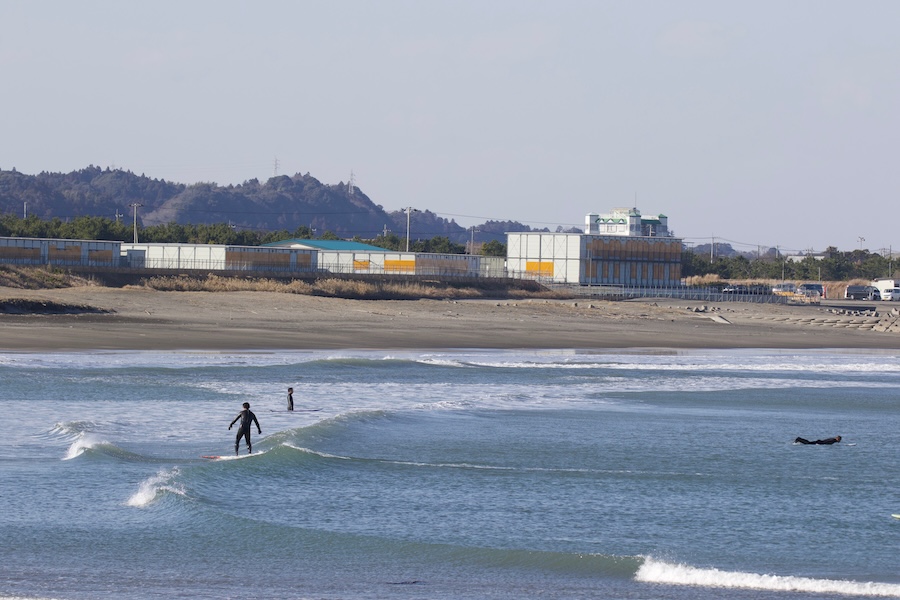
It's unlikely that you think of Japan when someone says "surf trip." Hawaii, Australia, and possibly Bali come to mind. Japan knows something you don't, so it smiles subtly from the corner. Surfing in Japan has been growing for decades, and hosting the Olympic surfing competition at Tsurigasaki Beach in Chiba proved what locals already knew, the country has world-class waves. Japan provides a surf trip for practically every skill level, from beginner-friendly beaches just outside Tokyo to reef breaks in Okinawa and strong swells in Miyazaki.
Here's where to surf, when to go, and how to get the most out of it whether you're packing your first wetsuit or chasing your hundredth wave.
Before you wax your board, here's the quick version.
Topic |
Details |
Type |
Adventure, beach, outdoor sport |
Best Time |
Plan before booking accommodation and transport. |
Ideal For |
Beginners, experienced surfers, couples, solo travellers and road trippers. |
Best Season |
Summer for learning, autumn for bigger waves. |
Risk if You Don't Plan |
You could arrive during flat conditions or miss the best surf beaches entirely. |
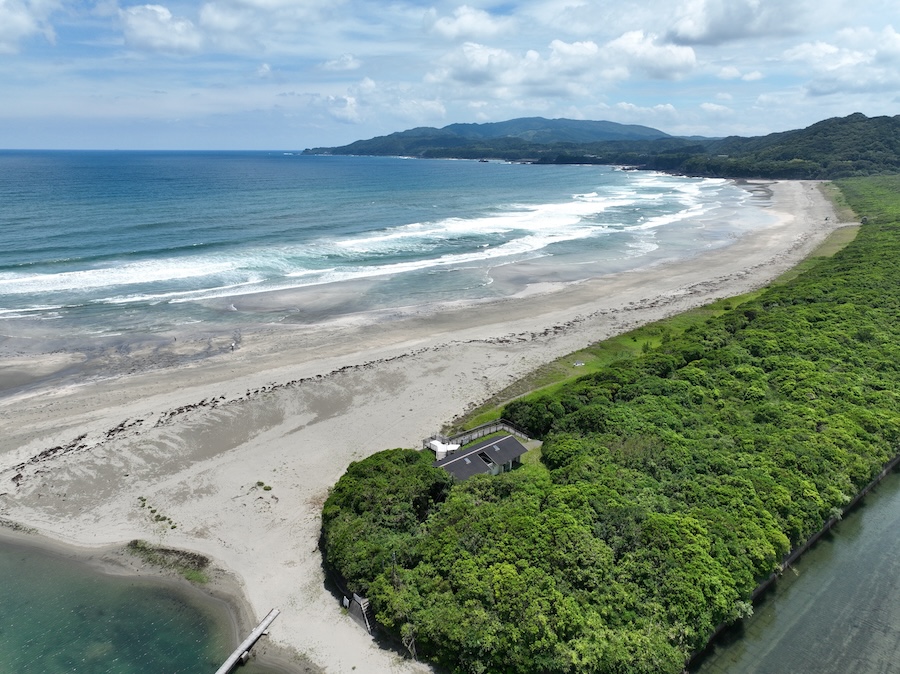
Don't undervalue Japan's shoreline, even if the country is well-known for its temples and seafood. The nation's more than 30,000 kilometers of coastline provide everything from calm beach breaks to fast reef waves.
What was the biggest surprise? Great surf can be found without taking a plane halfway across the Pacific. While some of Japan's top surfing locations feel incredibly distant, others are less than an hour's drive from Tokyo.
This is what makes surfing here unique:
Every region has its own personality. Chiba is Japan's surf capital, Shonan is perfect for beginners, and Miyazaki delivers consistent waves almost year-round.
Respect matters. Japanese surfers are friendly, but good etiquette goes a long way.
The seasons completely change the experience. Summer is relaxed and social. Autumn is when experienced surfers start smiling a little more.
Once you understand where to go and when, planning your surf trip becomes surprisingly easy.
The hardest part isn't finding waves, it's choosing which ones.
Chiba: Japan's Surf Capital
If Japan had a surfing postcode, it would probably be Chiba. Home to Tsurigasaki Beach, the Olympic surfing venue, and the lively surf town of Ichinomiya, this area offers some of the country's most consistent waves.
Shonan: Tokyo's Beach Escape
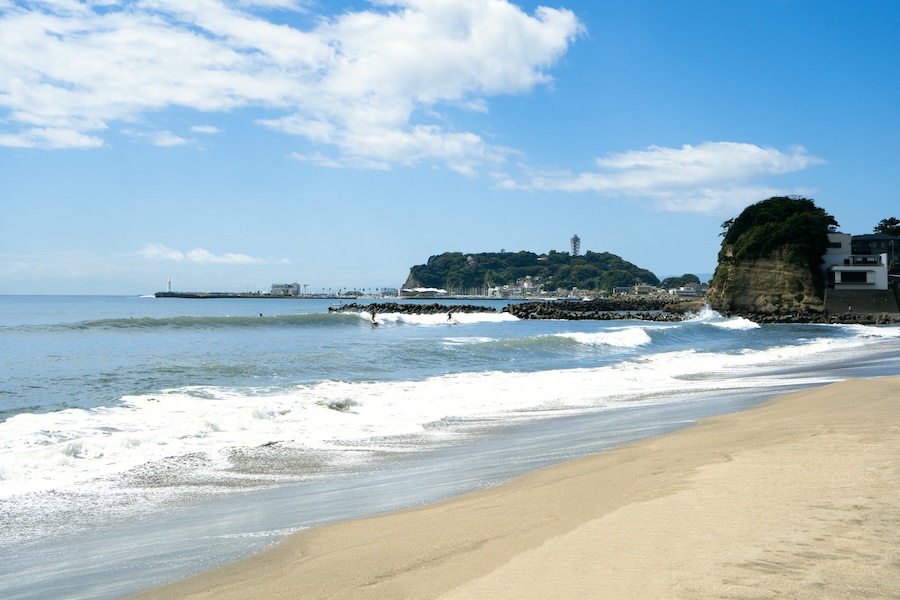
Only about an hour from Tokyo, Shonan surfing is perfect if your holiday includes city sightseeing and beach days. Kugenuma and Enoshima are packed with surf schools, rental shops and cafés. Think less "extreme surf movie" and more "I'll catch a wave before lunch."
Miyazaki: Kyushu's Surf Playground
Ask Japanese surfers where they'd move tomorrow, and Miyazaki often comes up. Warm water, reliable waves and a laid-back atmosphere make it one of the country's best destinations for longer surf trips.
Okinawa & Hokkaido
Looking for something different?
Surfing in Okinawa, Japan: Beautiful reef breaks for experienced surfers.
Surfing in Hokkaido: Cold water, uncrowded beaches and serious bragging rights when you get home.
In Japan, surfing is somewhat similar to dating. Don't try to impress anyone on your first day, choose the right beach, and show consideration for the locals.
What happens: Every good surf town has rental shops waiting to kit you out.
What can go wrong: You arrive at noon in peak summer and discover every board has already found its soulmate.
Do this instead: Reserve ahead. Great waves don't wait, and neither do surf shops.
What happens: Beaches like Shonan and Chiba are an easy ride from Tokyo.
What can go wrong: Marching onto a packed commuter train with an uncovered surfboard. Congratulations, you've just become everyone's morning conversation.
Do this instead: Use a board bag and travel outside rush hour. Your fellow passengers will silently adore you.
What happens: Japanese surfers are polite, patient and surprisingly welcoming.
What can go wrong: Catching someone else's wave before they do. That's the surfing equivalent of stealing fries off a stranger's plate.
Do this instead: Watch the lineup, wait your turn, and earn your waves.
What happens: Surf first. Feast later.
What can go wrong: Waiting until mid-afternoon only to discover the café closed an hour ago.
Do this instead: Order the ramen while you're still salty. Trust us.
Honestly? Anyone who thinks a beach holiday should involve more than lying on a towel pretending to read.
First-time surfers who prefer fun over faceplants.
Couples looking for a date that's more memorable than another rooftop bar.
Solo travellers who somehow always leave with new friends.
Tokyo visitors craving sea air instead of subway air.
Experienced surfers chasing Japan's legendary autumn swells.
Have kids: Shonan's gentle beaches are much kinder than your children after too much ice cream.
Are on a budget: Rent your gear. Your airline already charges enough.
Are brand new to surfing: Book a lesson. Looking confident and actually staying on the board are two different skills.
You've already done Tokyo, Kyoto and Osaka.
You're exploring Kyushu anyway.
You secretly thought Japan didn't have beaches. Oh, how wonderfully wrong you were.
Tokyo & Shonan: City in the morning, surf by lunch. That's called balance.
Chiba: Bigger waves, bigger surf culture, bigger temptation to stay longer.
Miyazaki & Okinawa: Less concrete, more coastline. Exactly as holidays should be.
Summer: Warm water, beginner lessons and beaches buzzing with life.
Autumn: The serious surfers quietly appear... for reasons called typhoon swells.
Winter: Fewer crowds, thicker wetsuits and stories you'll tell forever.
Good surfers check the forecast. Great surfers also remember sunscreen.
Pick a beach that matches your ability not your ego.
Reserve lessons if you're new.
Book accommodation near the surf.
Check the swell forecast.
Buy a JR Pass if beach hopping is part of the plan.
Swimsuit.
Wetsuit (or rent one).
Sunscreen.
Waterproof phone pouch.
Power bank.
A towel.
Enough storage on your phone for approximately 847 sunset photos.
Think of this as your beach cheat sheet.
Respect the locals.
Wait your turn.
Check the tides.
Rent from local surf shops.
Drink plenty of water.
Laugh when you wipe out. Everyone else is.
Don't drop in on another surfer.
Don't leave rubbish behind.
Don't paddle into waves beyond your level.
Don't ignore warning flags.
Don't underestimate the sun. It always wins.
Missed the perfect waves? Grab lunch and wait for the tide.
Forgot your gear? Rental shops exist for exactly this reason.
Feeling lost? Ask a local. Surfers may look cool, but they're usually happy to help.
Think of this as the surf cheat sheet you'll wish someone handed you before paddling out.
Do watch the locals before jumping in.
Do rent a board if yours didn't make the flight.
Do wear sunscreen, even on cloudy days.
Do wait your turn in the lineup.
Do say hello. A smile works in every language.
Do check the tide before paddling out.
Do leave the beach cleaner than you found it.
Don't drop in on someone else's wave.
Don't paddle out if you're not confident in the conditions.
Don't leave rubbish behind.
Don't underestimate the sun, it bites harder than the waves.
Don't surf where the locals clearly aren't.
Don't forget your board leash. Swimming after your board isn't nearly as glamorous as it sounds.
Dropped in on someone's wave? A quick apology and a smile go a long way.
Not sure where to surf? Ask a local surf shop, they know today's conditions better than any app.
Booked the wrong beach? Japan's train network makes changing plans surprisingly easy.
Surfing doesn't have to be your whole holiday, it just makes your holiday a lot cooler.
Couples: Spend a few days exploring Tokyo, then escape to Shonan for surf lessons, beach cafés and sunset walks. Afterwards, continue to Kyoto with your JR Pass or regional pass depending where you are headed.
Families: Base yourselves in Chiba, where beginner-friendly beaches and surf schools make everyone's first wave a little less dramatic.
Solo Travellers: Book your stay in Ichinomiya or Miyazaki, join a surf lesson and you'll probably leave with new friends, and at least one person who swears they knew the perfect secret beach.
Long Japan Trips: Add surfing between city stops. A few days by the ocean is the perfect reset after being busy in Tokyo or Osaka.
Planning to surf more than one region? A JR Pass, Pocket Wi-Fi, nearby JapanDen accommodation guides and Meet & Greet services make beach hopping surprisingly easy.
Q: Is surfing in Japan good for beginners?
A: Yes. Beaches like Shonan and Chiba have gentle waves, English-friendly surf schools and plenty of rental shops.
Q: When is the best time to go surfing in Japan?
A: Summer is ideal for beginners, while September to November offers the biggest swells for experienced surfers.
Q: Where are the best surfing spots in Japan?
A: Chiba, Shonan, Miyazaki, Okinawa and Hokkaido are among the country's most popular surf destinations.
Q: Do I need to bring my own surfboard?
A: Not at all. Most major surf beaches offer quality board and wetsuit rentals.
Q: Is Japan famous for surfing?
A: It's becoming increasingly well known, especially after hosting the Olympic surfing competition in Chiba. The surf culture has actually been thriving for decades.
Q: Can you surf near Tokyo?
A: Absolutely. Shonan and Chiba are both easy day trips from Tokyo, making them perfect if you're mixing sightseeing with surfing.
Q: Is surfing in Okinawa worth it?
A: Definitely, but Okinawa's reef breaks are better suited to experienced surfers than complete beginners.
Q: Is Miyazaki the best place to surf in Japan?
A: Many locals would say yes. It offers warm water, reliable waves and a relaxed surf-town atmosphere.
Q: Can I take a surfboard on Japanese trains?
A: Yes, as long as it's packed in a board bag and you avoid busy rush-hour trains.
Q: Is surf etiquette important in Japan?
A: Very. Respect the lineup, wait your turn and don't drop in on another surfer's wave. Good manners travel just as well as good boards.
Why should I book with JapanDen?
How do I book a hotel or ryokan through JapanDen?
What types of accommodations do you offer in Japan?
How can JapanDen help with planning my trip?
As well as booking accommodation, JapanDen is a place to learn more about Japan and how you can make the most of your time in this special country. From in-depth region guides to stories from Japan, we’ll be regularly publishing carefully curated insights from Japanese culture, with recommendations for the best activities and attractions and the latest news. Looking forward, we’ll also be adding special community features so you can share ideas and inspiration with like-minded people. Please come back and visit us regularly as we continue to add new content. We want JapanDen to be your home away from home too.
Do you offer guided tours in Japan, and how can I book one?
As part of the JRPass.com group, we offer a dedicated Meet and Greet service with expert personal assistance on your arrival in Japan booked via JRPass.com, alongside nationwide and regional rail passes for travel. As JapanDen grows, we will be offering more services and activities to provide a complete Japan travel experience.
Can I purchase Japan Rail Passes through your website?
JapanDen is part of the JRPass.com group, book your passes and tickets directly on JRPass.com