Sumo Practice Tokyo
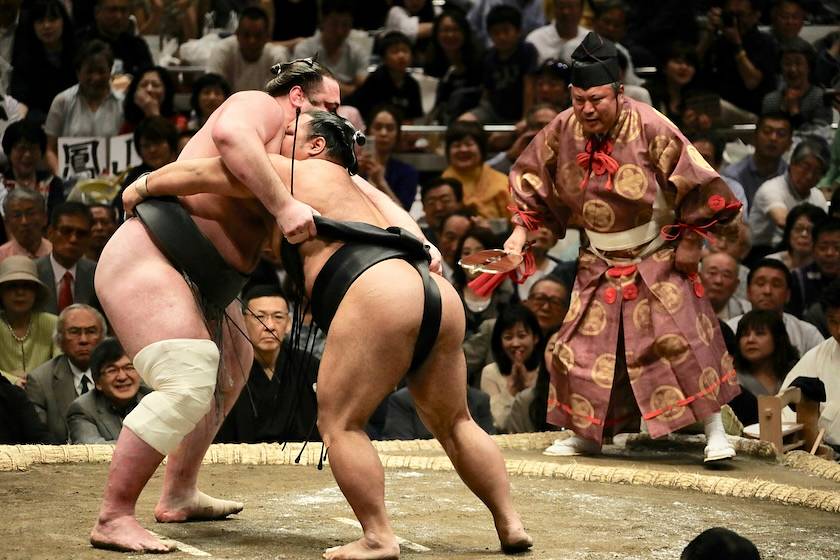
Ringside at dawn
If Tokyo is a love story, sumo morning practice is that quiet, thrilling 7:30 a.m. rendezvous where tradition shows up in a silk belt and zero small talk. Imagine a simple training hall, bodies crashing like thunder, salt for purification, and you, near enough to hear the scratch of feet on the clay. Your VIP access to sumo practice in Tokyo is here in the form of this guide, which covers everything from what it is to where to attend, how much it costs, and how to act like a polished city girl (or guy) in a world of strict discipline.
It's not a show. As the city still yawns awake, a dance of discipline and raw force takes place, including devotion, perspiration, and rhythm. This is your opportunity to learn what goes on behind the scenes in Japan's most traditional sport before the spotlight is put on the ring. It will captivate families, lone tourists, and culture vultures alike.
Key Details |
|
Type |
Tour / Cultural Experience |
Location |
Tokyo, primarily around Ryogoku & Sumida |
Address |
Ryogoku Kokugikan, 1-3-28 Yokoami, Sumida City, Tokyo 130-0015 (Sumo Museum is here) |
Opening Hours |
Around 7:30–9:30 a.m., varies by stable and season; check specific tour/stable notices. |
Admission/Ticket |
Free (window viewing at Arashio-beya) or guided tours typically ¥10,000–¥26,000+ per person depending on provider/length. |
Official Website |
Sumo Museum https://www.sumo.or.jp/EnSumoMuseum/ |
Nearest Station |
Ryogoku Station (JR Sobu Line, 1 min walk to Kokugikan) / Toei Ōedo Line (Exit A4, ~5 min). |
Languages/Signage |
Tours often include English-speaking guides; museum signage is JP/EN |
Best For |
Culture lovers, early risers, families with patient kids, photographers who can be discreet. |
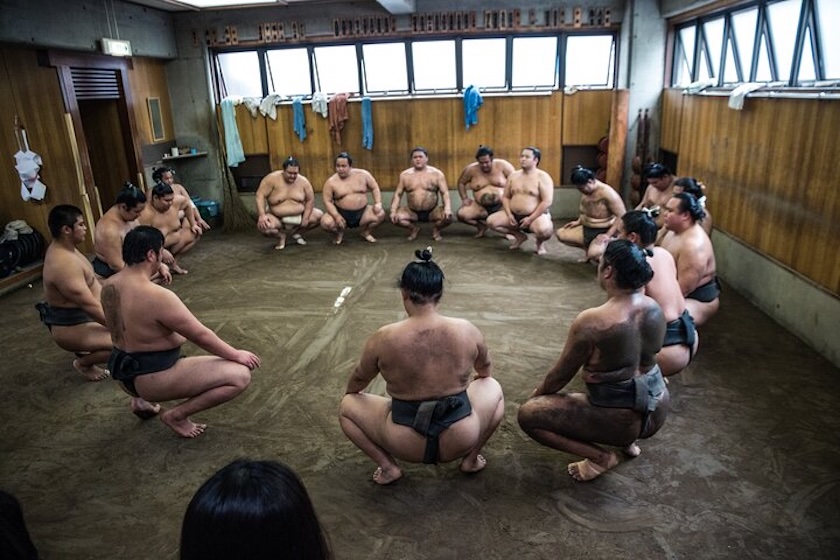
Consider the early morning silence, broken by the sound of bare feet sliding on the clay ring. Inside the sumo stables (heya), the younger wrestlers warm up first, swinging their legs skyward in a ceremony known as shiko, a stomp supposed to ward off evil spirits. As the practice progresses, the more experienced rikishi join in, their movements sharp and methodical, every muscle focused on the next throw.
Visitors sit close enough to feel the energy without getting too close. You might hear the coach yell an instruction or the sound of bodies crashing in perfect form. There is no music, no clapping, and no fanfare. Pure discipline, ancient and current.
Expect to take off your shoes, keep your voice low, and remain seated throughout. The mood is sacrosanct, not contrived.
Culture lovers: You’ll appreciate every ritual, every bow, every sprinkle of salt.
Photographers: The light and motion are magic, but photos are often limited to specific moments so always ask first.
Families: Children are welcome if they can stay quiet; think temple, not playground.
Solo travelers: The atmosphere is reflective and personal which makes a beautiful solo morning plan.
Sumo practice is ideal if you crave authenticity over spectacle. It’s the Tokyo you won’t find on neon billboards.
Arrive early. Doors (or windows) open before 7:30 a.m., and training usually ends by 9:30.
Book ahead. For guided tours, reserve online well in advance because they sell out quickly, especially before tournaments.
Dress respectfully. Covered shoulders, clean socks, and modest attire. You may sit on the floor, so choose comfort over couture.
Be silent. No talking, whispering, or sudden movements during training.
No flash photography. Some stables ban photos altogether; respect the rule.
Pocket Wi-Fi = sanity. You’ll need it to find tucked-away stables in narrow Tokyo streets and navigate your way back to breakfast.
Imagine "mindfulness retreat meets elegant traveler." Shoes that slide off, neutral hues, and few accessories. Steer clear of sleeveless tops and shorts. Since humility is a component of respect, the wrestlers are dressed in traditional loincloths.
Keep silent during training.
Don’t cross the practice ring boundary.
Sit neatly; don’t stretch your legs toward the ring.
Never touch the wrestlers or their belongings.
Follow your guide’s instructions, this is their sacred space, not a photo op.
By Train: Toei Ōedo Line to Ryogoku (Exit A4, approximately 5 minutes); JR Sobu Line to Ryogoku (1 minute walk to Kokugikan).
By Bus/Taxi: Taxis are familiar with "Kokugikan." Early in the morning, traffic is low.
On foot or bicycle: Sumida and Chuo are home to a large number of stables; meeting locations differ depending on the trip.
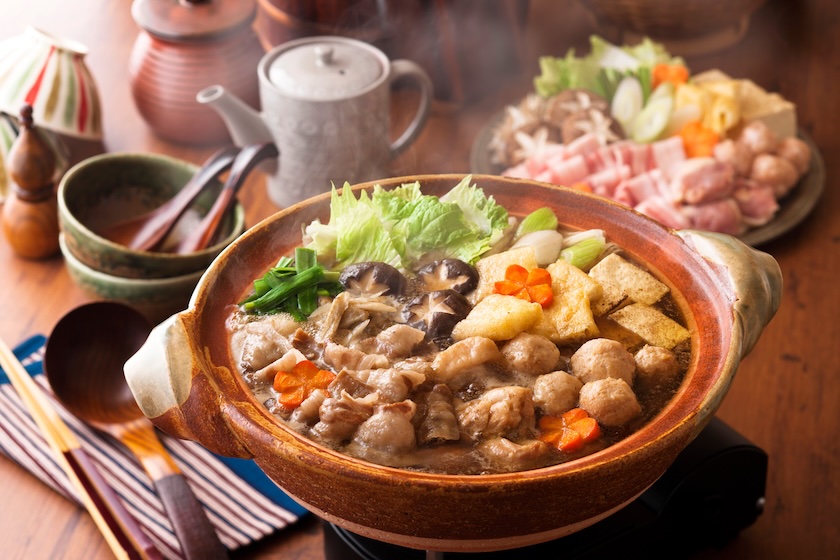
Eat: After practice, try chanko nabe, the wrestlers' famed stew. Local favorites include Tomoegata and Yoshiba, which are both authentic and hearty.
See: The Edo-Tokyo Museum (temporarily relocated nearby) and the Hokusai Museum make excellent cultural companions.
Stay: Boutique hotels near Ryogoku, such as The Gate Hotel or APA Ryogoku, allow you to stay close to the excitement while still enjoying modern amenities.
Sumo was first performed at Shinto temples more than 1,500 years ago as a way to amuse the gods and offer prayers for bountiful crops. It developed over centuries to become the national sport of Japan; it is still exact and revered, but it is now governed by the Japan Sumo Association.
Every ritual, including bow ceremonies and salt throwing, has a purpose. The ring, or dohyo, is revered as sacred ground as well. You may see this legacy in its most unadulterated state, away from the cameras, the crowds, and the celebrity, by watching morning practice.
Stay: Explore JapanDen’s curated hotels near Ryogoku to wake up steps from the Kokugikan.
Transport: If your trip includes Kyoto, Osaka, or beyond, the JR Pass is your golden ticket, unlimited rides on Japan’s sleekest trains. Staying within Tokyo? A regional pass might save you more.
Connectivity: Stay seamlessly online with a Pocket Wi-Fi or SIM card, available as an add-on when you order your JR Pass.
Meet & Greet: For first-timers landing in Tokyo, a Meet & Greet Service ensures your arrival is as smooth as a rikishi’s bow, from airport to hotel, stress-free.
Do I need a ticket to watch?
Only for guided tours. Some stables, like Arashio-beya, allow free window viewing during morning practice.
Is it kid-friendly?
Yes, but silence is essential. Small, calm children are welcome.
Can I take photos?
Only if allowed. Never use flash, and always ask the guide first.
When are tournaments in Tokyo?
January, May, and September, each lasting 15 days.
Yes, you can watch sumo practice in Tokyo. Most visitors join a sumo stable tour for close-up viewing, or stop by Arashio-beya in Ryogoku.
Absolutely, watching sumo practice in Tokyo is one of the most authentic cultural experiences you can have.
Tickets for sumo tournaments in Tokyo usually range from ¥2,000 to ¥10,000 for regular seats, while premium ringside seats can cost up to ¥20,000 or more.
There’s no strict dress code for watching sumo, but smart-casual and respectful attire is best.
Why should I book with JapanDen?
How do I book a hotel or ryokan through JapanDen?
What types of accommodations do you offer in Japan?
How can JapanDen help with planning my trip?
As well as booking accommodation, JapanDen is a place to learn more about Japan and how you can make the most of your time in this special country. From in-depth region guides to stories from Japan, we’ll be regularly publishing carefully curated insights from Japanese culture, with recommendations for the best activities and attractions and the latest news. Looking forward, we’ll also be adding special community features so you can share ideas and inspiration with like-minded people. Please come back and visit us regularly as we continue to add new content. We want JapanDen to be your home away from home too.
Do you offer guided tours in Japan, and how can I book one?
As part of the JRPass.com group, we offer a dedicated Meet and Greet service with expert personal assistance on your arrival in Japan booked via JRPass.com, alongside nationwide and regional rail passes for travel. As JapanDen grows, we will be offering more services and activities to provide a complete Japan travel experience.
Can I purchase Japan Rail Passes through your website?
JapanDen is part of the JRPass.com group, book your passes and tickets directly on JRPass.com