Sompo Museum of Art in Tokyo: Seeing Van Gogh's Sunflowers in Shinjuku
Van Gogh without the queues
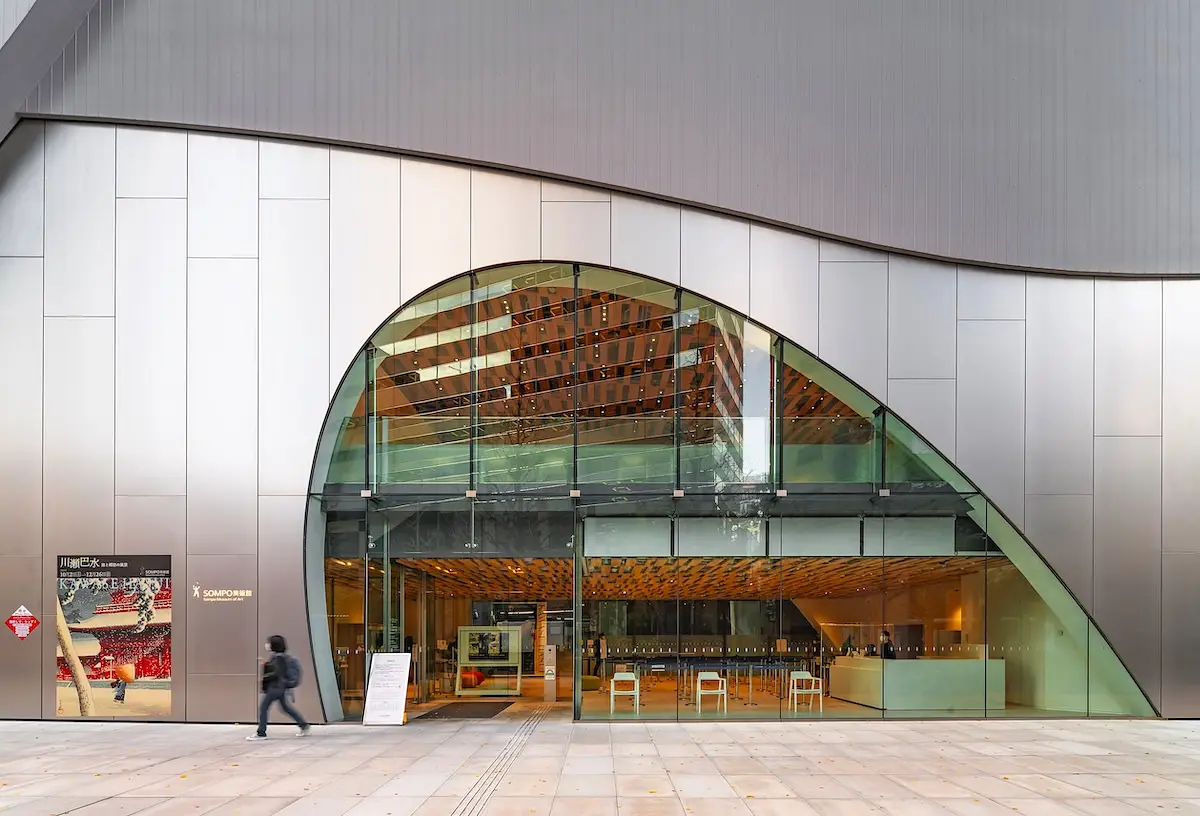
The Sompo Museum of Art is a compact gallery in Nishi-Shinjuku holding one of Van Gogh's famous Sunflowers paintings, the only one on public view in Asia. It sits roughly five minutes on foot from Shinjuku Station's West Exit, yet plenty of people stride past its curved walls without realising what's inside.
This guide covers what you'll see, what tickets cost, and how to fit an hour of art into a Shinjuku day. It's ideal for first-timers and art lovers on a tight schedule. Even if you only know Van Gogh from posters and mugs, the real canvas is worth the short detour.
Here's what you need to decide whether the museum fits your plans. Hours and prices change with each exhibition, so check the official schedule before you go.
Detail |
What to Know |
Topic type |
Cultural experience: a mid-sized art museum with a permanent Van Gogh |
Location |
1-26-1 Nishi-Shinjuku, about 5 minutes on foot from JR Shinjuku Station's West Exit |
Opening hours |
Typically 10:00 to 18:00, with later Fridays during some shows; last entry 30 minutes before closing |
Closed |
Mondays (Tuesday if Monday is a holiday), New Year, and between exhibitions |
Tickets |
Vary by show; adults recently paid around ¥2,000 at the door, slightly less online, and high school students and younger enter free |
Time needed |
About an hour, or 90 minutes if the temporary show grabs you |
Best moment to think about this |
When planning your Shinjuku day, since closures between shows catch people out |
Ideal for |
First-timers, art lovers, rainy-day planners, and anyone staying in west Shinjuku |
Risk if you ignore it |
You could walk straight past one of Van Gogh's best-known paintings without knowing it |
The Sompo Museum of Art is a private museum best known as the Tokyo home of Van Gogh's Sunflowers. It opened in 1976 on the 42nd floor of an insurer's headquarters tower as Japan's first high-rise art museum. In 2020, it moved into its own building at the tower's foot.
A little background makes the visit far more rewarding:
The painting: Painted in Arles in late 1888, the Tokyo version of Sunflowers closely follows London's August original, with subtly different colours and brushwork.
The 1987 purchase: Yasuda Fire and Marine Insurance paid a then-record £24.75 million at Christie's in London.
Seiji Togo: The museum began as a memorial to this painter of elegant women and holds around 240 of his works.
The wider collection: Around 640 works fill the collection, including pieces by Cézanne and Gauguin.
Few Tokyo museums can promise their star piece year-round, but Sunflowers stays on permanent display whatever show is running.
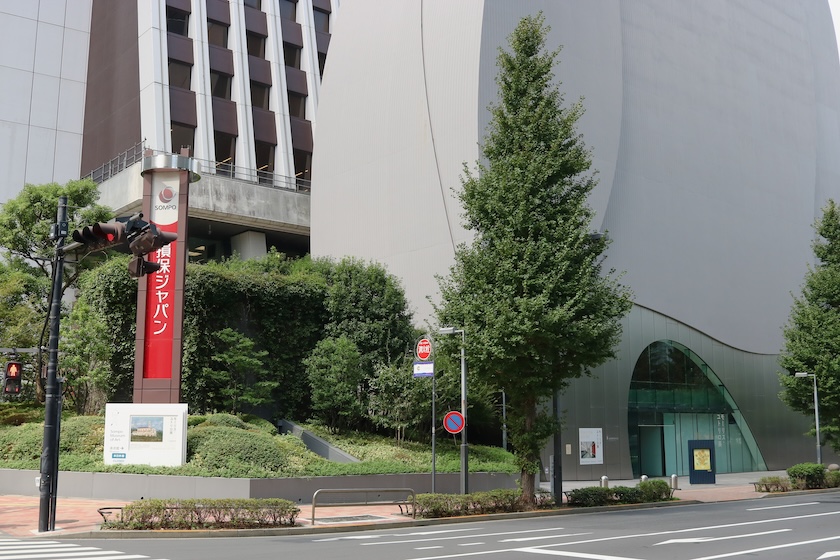
A typical visit takes about an hour and runs calmly from an underground walk to a close-up of Sunflowers.
Escaping the station: Shinjuku tops the list of Japan's biggest and busiest stations, so follow the West Exit's underground passage towards the Metropolitan Government Building and surface at exit N5.
Buying tickets: Paying on arrival feels refreshingly easy after Tokyo's book-months-ahead attractions.
Meeting Sunflowers: The galleries are compact, and on weekday mornings you may have the painting almost to yourself.
Taking photos: Rules change with each show, but recent exhibitions allowed non-flash photos of most works, though not selfies with the art.
Shop and café: Postcards make easy, flat-packed souvenirs, and the weekend café is a handy pause before braving the station again.
Some travellers will get more from this stop than others.
Especially helpful for: First-timers based in Shinjuku, art lovers short on time, and anyone hoping to see Van Gogh in Japan.
Things to consider if you: Use a wheelchair or pushchair. The museum's barrier-free facilities include lifts, accessible toilets, wheelchair loans, and a nursing room.
Not critical but still nice to know if: You've already seen Sunflowers in London or Amsterdam, though comparing versions is a treat.
Where you stay and when you visit both shape how easily the museum slots in.
Nishi-Shinjuku is the calm, office-tower side of Shinjuku's many distinct neighbourhoods, far from Kabukicho's neon. That makes this one of the easiest art museums in Shinjuku to pair with other sights:
Tokyo Metropolitan Government Building: The free observation decks sit 202 metres up, a short walk west. Decks can close at short notice, so check on the day.
Shinjuku Gyoen: Entry to Shinjuku Gyoen National Garden costs ¥500 for adults, 10 to 15 minutes from the South Exit. It's a gentle reset after an hour of art.
Hands Shinjuku: Six floors of stationery, travel gadgets, and gifts fill the Times Square building by the South Exit, ideal on a rainy afternoon.
Summer heat and June's rainy season make an indoor stop especially welcome. Weekday mornings and late Friday openings are usually calmest.
On a multi-city rail trip, Shinjuku's JR connections make it easy to drop in on arrival or departure day.
Most of the prep comes down to closure days, and sorting them early saves a wasted walk.
Run through these before your trip:
Check the exhibition calendar: The museum closes between shows, sometimes for several days.
Avoid Mondays: Both the museum and Shinjuku Gyoen usually close on Mondays.
Pick a convenient base: The Shinjuku Washington Hotel Annex in Nishi-Shinjuku sits about 8 minutes on foot from JR Shinjuku's South Exit.
This is mostly about information rather than gear:
The address: Save 1-26-1 Nishi-Shinjuku and exit N5 in your maps app.
Mobile data: A pocket Wi-Fi router collected at the airport keeps your maps working while you hunt for the right exit.
Photo ID: Bring it if you're claiming the under-25 price.
These small habits make the visit smoother for everyone.
These easy wins make a real difference:
Arrive at opening, since the first hour after 10:00 is often the calmest.
Linger at Sunflowers, because the thick paint looks completely different up close than in any print.
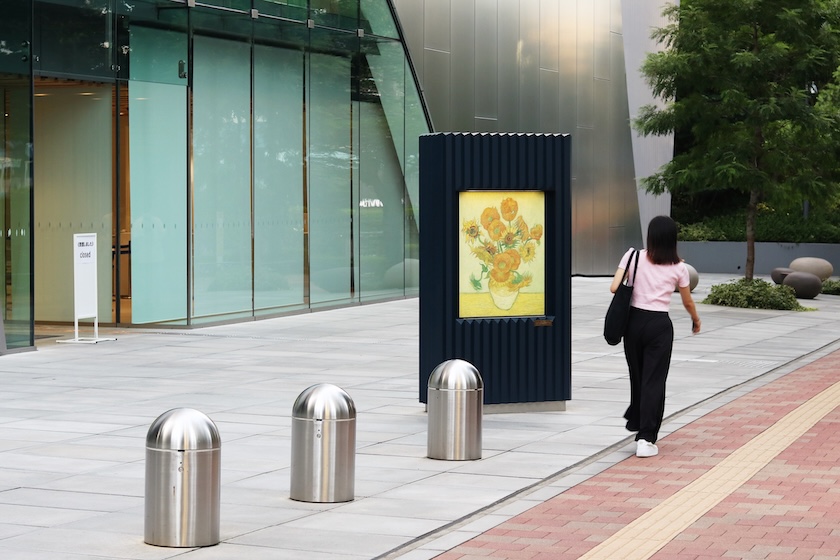
Find the tile replica in the forecourt outside, the guilt-free spot for a Sunflowers selfie.
Read the photo signs in each gallery, since rules shift with each exhibition.
Steer clear of these slip-ups:
Don't turn up on a Monday, or you'll find locked doors and a long walk back.
Don't use flash, since paint is fragile and flash isn't permitted.
Don't eat in the galleries, but save snacks for the second-floor rest area or the weekend café.
Don't trust "five minutes" blindly, because from the wrong exit it can easily take fifteen.
Everyone gets turned around in Shinjuku at least once, so don't worry:
Lost in the station: Find any West Exit sign, then ask staff for "Tochō" (the Metropolitan Government Building).
Arrived on a closed day: Head to the free observation decks instead and try again tomorrow.
Broke a photo rule: A polite "sumimasen" and putting the phone away is all anyone expects.
The museum works best as one piece of a wider Shinjuku day.
A couple on a 10-day city trip: Visit at 10:00 on a weekday, stroll to Shinjuku Gyoen after lunch, and finish at the observation decks for sunset.
A family doing several cities: An airport Meet and Greet service can activate your JR Pass and steer tired kids onto the right train. Children up to high school age usually enter the museum free.
A solo budget traveller: Pair the museum with the free decks and ¥500 garden for a full cultural day at roughly ¥2,500.
Still weighing it up, or puzzling over practical details? These answers cover what visitors ask most:
Q: Is Van Gogh's Sunflowers always on display at the Sompo Museum of Art?
A: Sunflowers is part of the permanent display, so you can see it whenever the museum is open to visitors.
Q: Which version of Sunflowers is in Tokyo?
A: Tokyo holds a version Van Gogh painted in Arles in late 1888, closely based on the original in London.
Q: How much do Sompo Museum tickets cost?
A: Prices change with each exhibition, but adults recently paid around ¥2,000 at the door and slightly less online.
Q: Do I need to book Sompo Museum tickets in advance?
A: Advance booking is rarely essential, though online tickets are usually a little cheaper and help on busy weekends.
Q: What are the Sompo Museum hours?
A: The museum typically opens from 10:00 to 18:00, with last entry 30 minutes before closing and occasional later Fridays.
Q: Which days is the Sompo Museum of Art closed?
A: It usually closes on Mondays, over New Year, and between exhibitions, so check the calendar before you visit.
Q: How do I get to the Sompo Museum from Shinjuku Station?
A: Take the West Exit, follow the underground passage towards the Metropolitan Government Building, and surface at exit N5.
Q: Which is the nearest station to the Sompo Museum of Art?
A: Nishi-Shinjuku Station on the Marunouchi Line is closest, roughly four minutes on foot from its Exit 2.
Q: How long should I spend at the Sompo Museum?
A: Most visitors spend about an hour, though a large temporary exhibition can easily stretch that to ninety minutes.
Q: Can I take photos of Sunflowers?
A: Photography rules vary by exhibition, so check the signs, and never use flash or take selfies with artworks.
Q: Who was Seiji Togo?
A: Seiji Togo was a Japanese painter famous for elegant portraits of women, and the museum began as his memorial.
Q: Is the Sompo Museum good for children?
A: Children up to high school age usually enter free, and the compact galleries suit shorter attention spans very well.
Q: Is the Sompo Museum of Art wheelchair accessible?
A: The building is fully barrier-free, with lifts, accessible toilets, wheelchair loans, and a nursing room for families.
Q: What is the FACE exhibition at the Sompo Museum?
A: FACE is the museum's annual open competition for emerging painters, with winning works usually exhibited early in the year.
Q: What else can I see near the Sompo Museum?
A: The free Tokyo Metropolitan Government Building observation decks are a short walk west, with sweeping views across the city.
Why should I book with JapanDen?
How do I book a hotel or ryokan through JapanDen?
What types of accommodations do you offer in Japan?
How can JapanDen help with planning my trip?
As well as booking accommodation, JapanDen is a place to learn more about Japan and how you can make the most of your time in this special country. From in-depth region guides to stories from Japan, we’ll be regularly publishing carefully curated insights from Japanese culture, with recommendations for the best activities and attractions and the latest news. Looking forward, we’ll also be adding special community features so you can share ideas and inspiration with like-minded people. Please come back and visit us regularly as we continue to add new content. We want JapanDen to be your home away from home too.
Do you offer guided tours in Japan, and how can I book one?
As part of the JRPass.com group, we offer a dedicated Meet and Greet service with expert personal assistance on your arrival in Japan booked via JRPass.com, alongside nationwide and regional rail passes for travel. As JapanDen grows, we will be offering more services and activities to provide a complete Japan travel experience.
Can I purchase Japan Rail Passes through your website?
JapanDen is part of the JRPass.com group, book your passes and tickets directly on JRPass.com