Riding the Hiroshima Streetcar: A Traveller's Guide to the Hiroden
Hiroshima's living tram museum
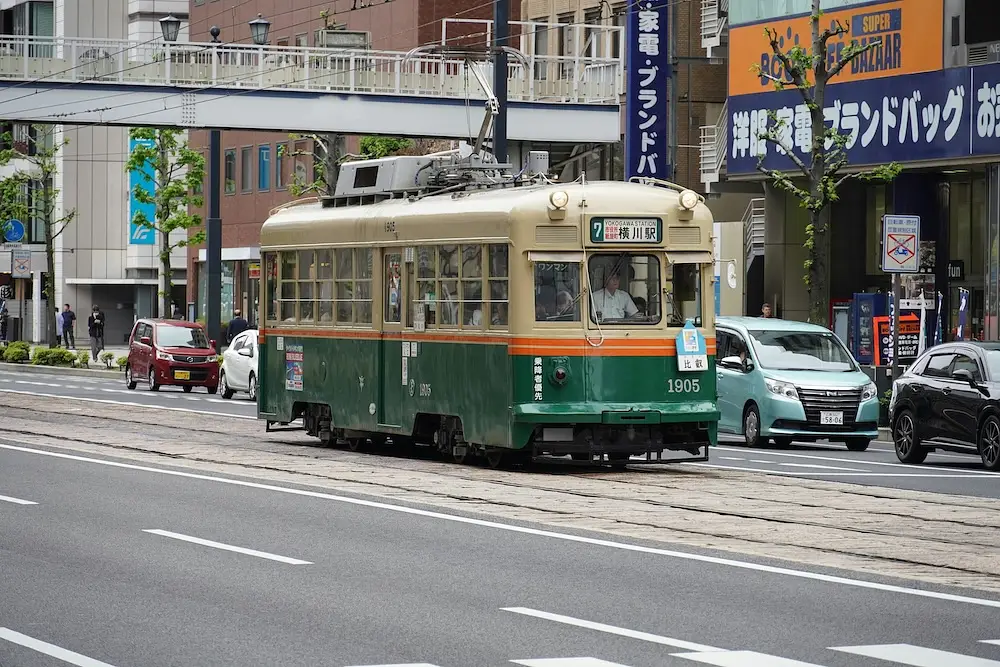
The Hiroshima streetcar, known locally as the Hiroden, is one of the simplest ways to get around the city and a genuinely memorable ride. Officially the Hiroshima Electric Railway, it links Hiroshima Station, the Peace Memorial Park and the port for Miyajima on one easy-to-follow network.
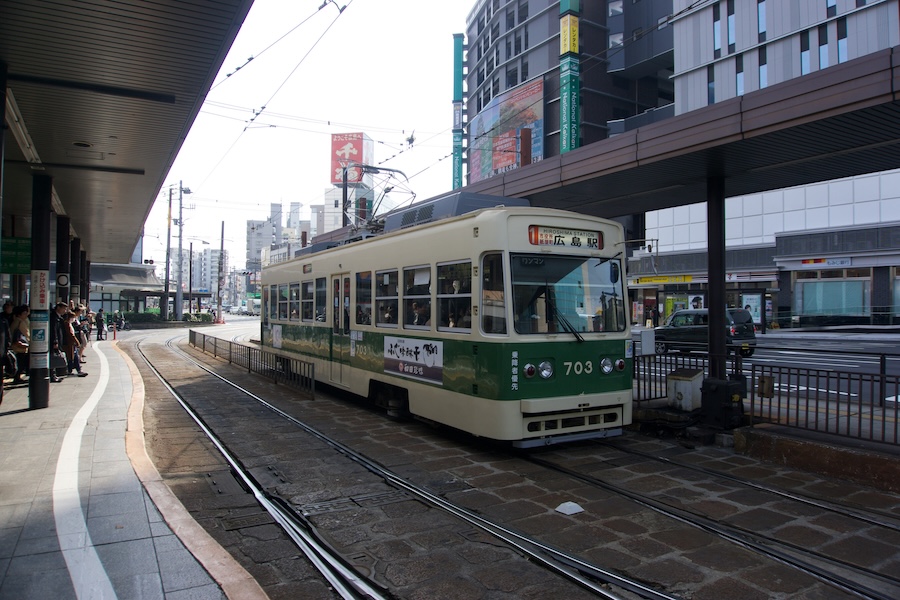
What makes the Hiroden worth planning around is its mix of eras. Modern low-floor cars share the tracks with vintage trams, and two cars that survived the 1945 atomic bombing remain in scheduled service today.
This guide is for first-time visitors, families and solo travellers who want to move around Hiroshima without a car or a complicated bus map.
Here is the trip at a glance, so you can see straight away whether it applies to your plans:
Category |
Details |
Topic type |
Transport and getting around |
Best moment to think about this |
Once you land in Hiroshima, before your first ride out of the station |
Ideal for |
First-time visitors, history-minded travellers, day-trippers heading to Miyajima |
Risk if you ignore it |
You could hold up boarding while fumbling for change, or assume a rail pass covers a ride it does not |
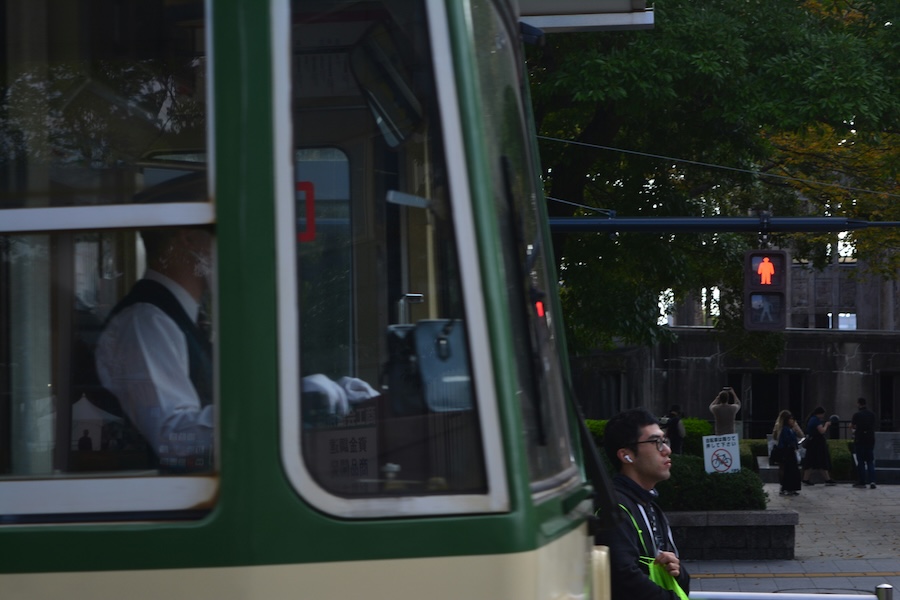
The Hiroden is Hiroshima's tram network, and it is the largest surviving streetcar system in Japan, running through the city centre on tracks shared with road traffic. You board and pay a flat fare of 240 yen for adults, according to Hiroden's own fare table for the streetcar network, so there is no need to work out zones or distance.
What sets it apart from trams elsewhere is its rolling stock: retired cars bought from other Japanese cities run alongside sleek modern Green Movers, earning it the nickname "the moving streetcar museum." Two of the oldest cars, numbers 651 and 652, were damaged in the 1945 atomic bombing and were repaired and returned to service within months, a history that continues to shape how the operator marks the anniversary each year.
You will meet the Hiroden the moment you leave Hiroshima Station, and again at nearly every major sight in the city centre.
A few situations come up again and again for Hiroden riders:
Arriving at Hiroshima Station: Trams now depart from an elevated platform linked directly to the station building.
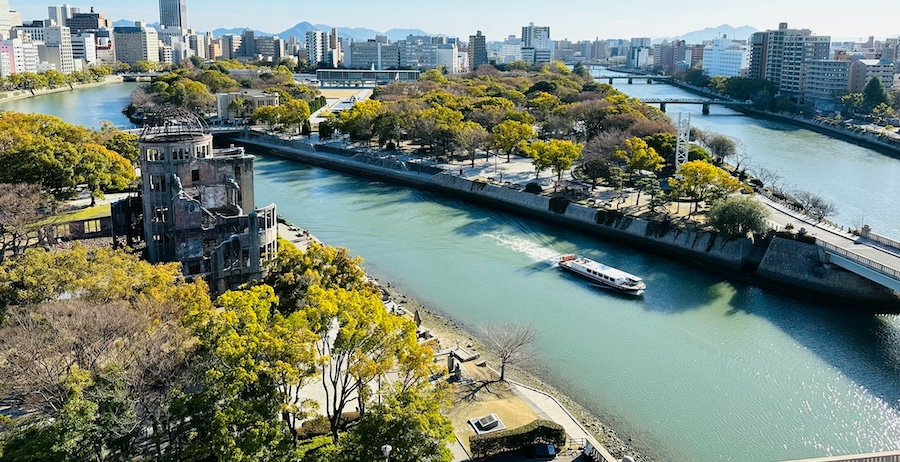
Heading to the Peace Memorial Park: Several lines stop within a short walk of the park and the Atomic Bomb Dome.
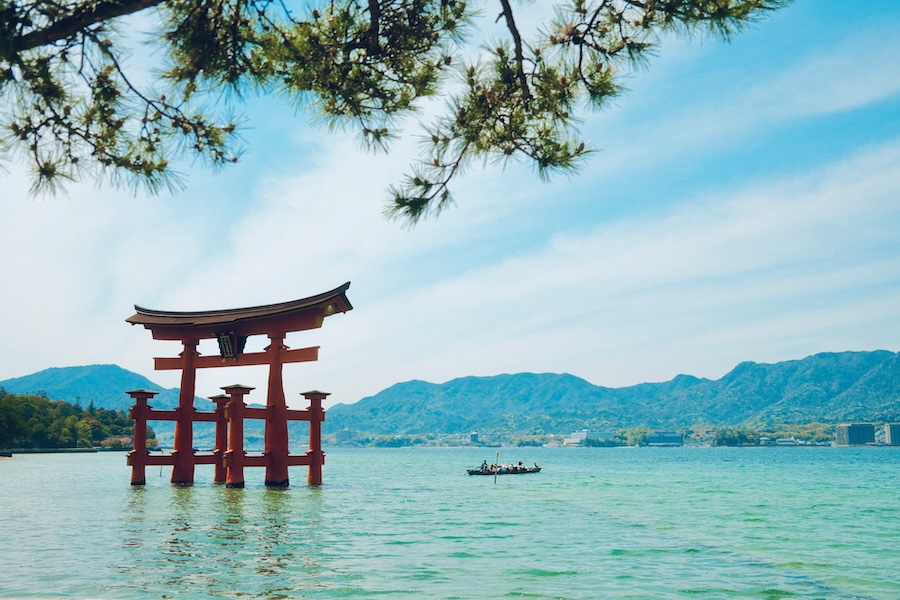
Riding towards Miyajima: One line runs to Hiroden-Miyajimaguchi, a scenic but slower alternative to the JR train and ferry route that reaches Itsukushima Shrine in well under an hour.
Boarding during rush hour: Morning and early evening trams into the centre can fill up quickly.
Paying without cash on hand: Tapping an IC card is faster than counting coins with a full tram behind you.
This is especially useful for first-time visitors, families juggling luggage, and anyone building a Miyajima day trip into a longer itinerary.
Travellers with mobility needs should note that cars 651 and 652 are not fully accessible, though newer low-floor trams suit wheelchairs and pushchairs. It matters less for repeat visitors on foot in central Hiroshima.
How much this affects your trip depends on where in the region you are heading and how your itinerary is shaped.
Inside central Hiroshima, the Hiroden covers the main sights well enough that most visitors will not need a taxi. Heading towards Miyajima, the choice widens: the tram runs a direct but longer route, while the JR Sanyo Line reaches Miyajimaguchi in a fraction of the time, connecting straight to the JR West Miyajima Ferry across to Itsukushima Shrine. Most travellers pick the JR route when time is tight, saving the scenic tram ride for a slower day.
A short city break rarely needs more than the tram and a one-day pass. On a longer, multi-city rail trip, remember the Hiroden sits outside any nationwide or regional rail pass, so tram rides are paid for separately. Budgeting a few hundred yen a day for fares keeps this from becoming a surprise cost.
A little planning before you leave home makes the fares and passes far less confusing once you land.
Decide in advance whether your route justifies a rail pass at all. If Hiroshima and Miyajima are the only stops on JR West's network you need, a regional pass built around western Japan can work out cheaper than the nationwide option, so it is worth comparing both before you commit.
None of this needs much luggage space, just a little forethought:
IC card: Load an ICOCA, Suica or similar card before you arrive so you can tap on and off.
Mobile data: A portable wifi router picked up on arrival makes it easy to check tram routes and timetables on the move.
A one-day pass plan: If you expect several rides, a one-day streetcar pass (¥700) or combined streetcar-and-ferry pass (¥1,000) can work out cheaper than paying per ride.
This is the cheat sheet worth screenshotting before your first ride.
Keep these habits in mind once you're on board:
Do board through any door and pay as you get off, since tickets are not sold in advance.
Do tap your IC card on the reader by the driver when you alight.
Do check the destination board, since several lines share the same platform.
Do allow extra time during weekday rush hours.
A few small missteps are easy to avoid once you know them:
Don't assume the Hiroden is covered by a Japan Rail Pass, since it is a separate operator.
Don't block the doors while working out your fare at busy stops.
Don't expect the tram to beat the JR train to Miyajimaguchi.
If you board the wrong line or miss a stop, a quick apology and a question to the driver usually sorts things out. Station staff at major stops can also help with routes in English, and most drivers are used to confused first-time riders.
Here's how this looks in practice for different types of travellers.
A couple on a week-long trip: Might ride the Hiroden around the Peace Memorial Park one morning, then take the JR train to Miyajima that afternoon.
A family with young children: Could buy a combined streetcar-and-ferry pass and build a slower day around both, and booking a hotel a short walk from a tram stop, such as one near the Fukuromachi stop, cuts down on transfers before anyone has even left the room.
Travellers arriving straight from the airport: Can arrange an English-speaking greeter to handle the first leg of the journey, leaving the Hiroden for once they have settled in.
A solo traveller on a tighter budget: Might skip passes altogether and simply tap an IC card, paying only for the rides taken, and put the nationwide rail pass to use on the longer legs between cities instead.
These are the questions travellers ask most often before their first ride on the Hiroden:
Q: How do I pay on the Hiroden?
A: Board through any door, then pay the flat fare in cash or by IC card when you get off near the driver.
Q: Do trams reach Miyajima's ferry port?
A: Yes, the Miyajima Line runs directly to Hiroden-Miyajimaguchi, close to the ferry piers for Miyajima Island.
Q: Is the streetcar covered by the JR Pass?
A: No, the Hiroden is run by a separate company, so Japan Rail Pass holders must pay the tram fare separately.
Q: How much does a Hiroshima streetcar ride cost?
A: Every ride on the inner-city network costs a flat 240 yen for adults and 120 yen for children.
Q: Is the tram or the JR train faster to Miyajima?
A: The JR train reaches Miyajimaguchi in about 25 minutes, while the tram takes roughly an hour on a scenic route.
Q: Can I use an IC card on the Hiroden?
A: Yes, nationwide IC cards such as ICOCA and Suica are accepted, alongside the newer MOBIRY DAYS ticketing system.
Q: Are there day passes for the streetcar?
A: Yes, a one-day streetcar pass and a combined streetcar-and-ferry pass are both sold for unlimited same-day rides.
Q: Which door do I use to board?
A: You can board through any door; when it's time to get off, exit and pay near the driver or conductor.
Q: Are the atomic-bombed trams still running?
A: Yes, two cars damaged in the 1945 bombing, numbers 651 and 652, remain in regular scheduled service today.
Q: Is the Hiroshima streetcar wheelchair accessible?
A: Newer low-floor trams are accessible, but the two historic bombed cars are not fully suited to wheelchairs or pushchairs.
Q: How do I get from Hiroshima Station to the Peace Memorial Park?
A: Several tram lines stop within a short walk of the park, making the streetcar the simplest way to reach it.
Q: Does the streetcar run late at night?
A: Most lines run from around 6 am until roughly 11 pm, though exact first and last departures vary by line, so check locally.
Q: Is it better to buy a pass or pay per ride?
A: If you plan several rides in a day, a one-day pass usually costs less than paying the flat fare repeatedly.
Q: What is the nickname for the Hiroshima tram system?
A: Locals and visitors alike often call it "the moving streetcar museum," thanks to its mix of vintage and modern cars.
Q: Do I need to book Hiroden tram tickets in advance?
A: No, tickets are not sold ahead of time; you simply board and pay as you leave the tram.
Why should I book with JapanDen?
How do I book a hotel or ryokan through JapanDen?
What types of accommodations do you offer in Japan?
How can JapanDen help with planning my trip?
As well as booking accommodation, JapanDen is a place to learn more about Japan and how you can make the most of your time in this special country. From in-depth region guides to stories from Japan, we’ll be regularly publishing carefully curated insights from Japanese culture, with recommendations for the best activities and attractions and the latest news. Looking forward, we’ll also be adding special community features so you can share ideas and inspiration with like-minded people. Please come back and visit us regularly as we continue to add new content. We want JapanDen to be your home away from home too.
Do you offer guided tours in Japan, and how can I book one?
As part of the JRPass.com group, we offer a dedicated Meet and Greet service with expert personal assistance on your arrival in Japan booked via JRPass.com, alongside nationwide and regional rail passes for travel. As JapanDen grows, we will be offering more services and activities to provide a complete Japan travel experience.
Can I purchase Japan Rail Passes through your website?
JapanDen is part of the JRPass.com group, book your passes and tickets directly on JRPass.com