Pachinko in Japan: The Legal Paradox Behind the Country's Loudest Pastime
Loophole gaming, Japan style
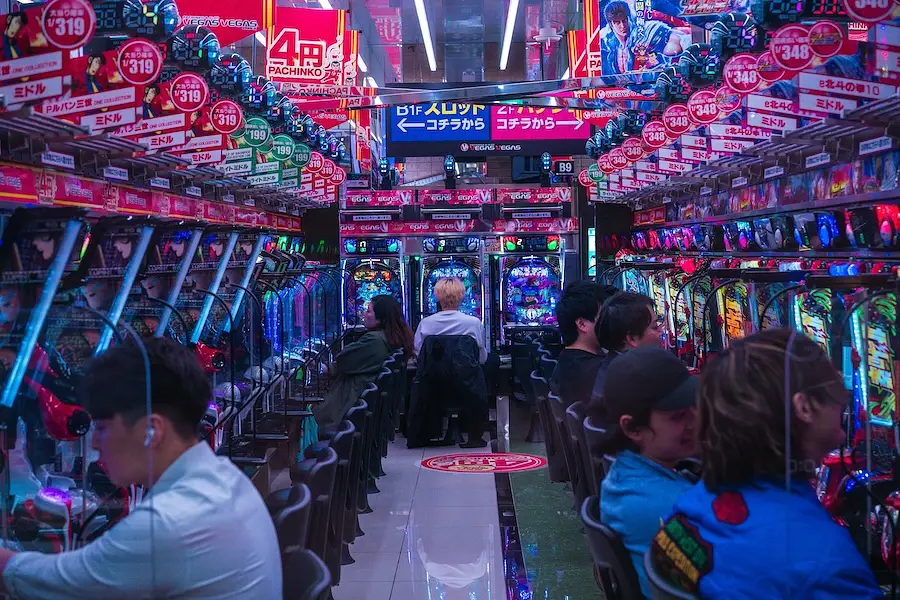
Walk down almost any station street in Japan, and you will hear pachinko before you see it: chimes, fanfares and the steady clatter of steel balls. Pachinko in Japan sits in an odd legal position: cash gambling is broadly illegal, yet parlours operate openly in nearly every town, kept lawful by a three-shop prize exchange system.
This guide is for curious visitors who want to understand those glass doors, not for anyone chasing gambling tips. It covers what pachinko is, why it is legal, what a first visit looks like, and how it fits into a wider Japan itinerary, and suits first-time visitors and anyone who has walked past a parlour and wondered what was going on inside.
Here's pachinko at a glance:
Category |
Detail |
Topic type |
Cultural experience and social history, not a betting activity |
Best moment to think about this |
Once you arrive, when deciding how to spend a free evening |
Ideal for |
First-time visitors, culture-focused travellers, solo travellers with a spare evening |
Risk if you ignore it |
You could misjudge the etiquette, overspend out of confusion, or miss a distinctly Japanese social scene |
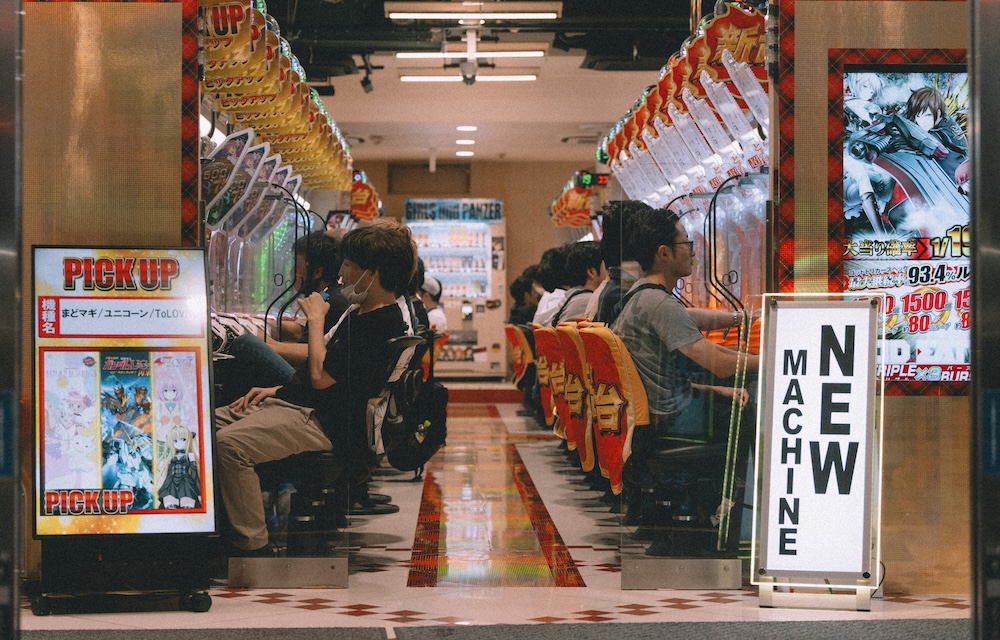
Pachinko is a vertical pinball-like game in which players fire steel balls into a pin-studded machine, hoping enough land in a scoring pocket to win more balls. Those winning balls cannot be exchanged for cash inside the parlour: players trade them for "special prizes" at an in-house counter, which are then sold for cash at a separate exchange window nearby. Pachinko halls are licensed under Japan's rules for amusement businesses rather than under gambling statutes, and that distinction keeps the three-shop system lawful.
Plain-language definition: A pinball-slot hybrid, with newer versions blending mechanical ball play with digital slot reels known as pachislo.
Why it matters in Japan: Cash gambling is prohibited nationally, so this system explains one of the country's most visible legal contradictions.
When it shows up in a trip: Near almost every station exit, especially in entertainment districts such as Shinjuku, Ikebukuro and Akihabara.
A first visit is more sensory than strategic, so here is what typically happens once you step inside:
Walking into a wall of noise and flashing lights, and at many modern parlours, smoke-free air, since non-smoking rules have expanded in recent years.
Buying a tray of balls for a set amount, often between ¥1,000 and ¥4,000 for a beginner session.
Watching a neighbour for a minute before copying how they load and fire balls.
Running through a tray faster than expected, since a busy machine can empty it in ten to fifteen minutes.
Deciding whether to cash in a small win or simply treat the session as the cost of the experience.
This advice suits people treating pachinko as something to observe or try once, not as a way to spend a holiday budget.
First-time visitors, groups looking for an offbeat evening, and anyone interested in postwar Japanese social history will get the most out of this guide.
If you're sensitive to loud noise and bright lights, or have a personal or family history of gambling problems, pachinko is best skipped altogether.
Repeat visitors already familiar with Japan's newer entertainment trends may find less new information here, but the historical context can still be a useful refresher.
Japan's pachinko industry has faced gambling-addiction regulations since 2018, a useful reminder to treat a visit as a one-off curiosity, never as a way to win money.
Pachinko's presence changes depending on where in Japan you are standing.
Tokyo has the densest concentration of parlours, with Shinjuku and Ikebukuro among the loudest. Staying somewhere like the Hilton Tokyo in Nishi-Shinjuku puts you within a short walk of several large parlours without a long trip across the city.
Akihabara offers a gentler, gambling-free alternative nearby: its retro game centres and the wider anime district around Akihabara share the same neon-and-noise atmosphere without any prize exchange involved.
Despite this visibility, the national count of parlours has fallen for several years running as the player base ages.
The same streets that hold pachinko parlours are generally well lit and busy into the evening, and the safety notes in JapanDen's guide for women travelling around Japan alone apply just as well here. Smaller towns usually have one or two quieter parlours near the main station.
Pachinko is not seasonal: parlours keep the same hours, typically mid-morning until around 11 pm, all year. It suits a short city break better than a slow rural itinerary, since parlours cluster near stations rather than in the countryside.
Turning curiosity about pachinko into a plan just takes a couple of decisions made before you leave home.
Decide on a firm budget cap in advance, treating it the same way you would a museum ticket. Carry photo ID, since staff may card anyone who looks under 18, the legal minimum age to enter a parlour.
If your first night is tight on time, booking a Meet & Greet arrival service can free up an hour or two for exploring once you have settled in.
A short mental checklist covers most of what you need for a first visit.
A small reserve of cash, since older parlours and exchange counters are still frequently cash-only.
A couple of basic phrases, such as asking where the exchange counter is.
A portable connection such as Pocket Wi-Fi for locating parlours and translating signage on the spot.
This is the practical cheat sheet for the parlour floor itself.
These small habits keep a first visit smooth:
Do bring ID even if you look clearly over 20.
Do watch a neighbouring player for a minute before sitting down.
Do ask staff for help; most are used to confused newcomers.
Do treat your budget as spent the moment you sit down.
Do check the smoking policy at the entrance first.
A few things are worth avoiding altogether:
Don't touch another player's machine, tray or balls.
Don't expect English signage at smaller, older parlours.
Don't treat pachinko as a way to make money.
Don't assume every parlour accepts cards.
Don't linger if the noise and lights feel overwhelming.
Mistakes are common and rarely a big deal. A brief apology and small bow usually smooth things over; staff are generally happy to reset a jammed machine or repeat a rule, and most newcomer errors (fumbling the tray, misreading a display) are ones staff see every day and won't remark on.
Pachinko fits best as a short, optional stop — a twenty-minute look after dinner rather than a planned evening — and different travellers slot it in differently.
A couple on a ten-day city trip might slot in a twenty-minute look at a Shinjuku parlour after dinner.
A family with older teenagers could walk past and explain the three-shop system as living history, without anyone playing.
A solo traveller moving between cities on a regional rail pass might treat a quick stop as a break between train connections.
Decide before you travel whether you want to try a machine at all, then let the moment happen once you are there.
Here are the questions readers most often ask before their first encounter with pachinko in Japan:
Q: What is pachinko in Japan?
A: Pachinko is a vertical pinball-like arcade game where players fire steel balls to win more balls as a payout.
Q: Is pachinko gambling?
A: It functions like gambling but is legally classed as an amusement business rather than a gambling activity.
Q: How does pachinko work exactly?
A: Players buy balls, fire them into a pinned machine, and try landing enough in a pocket to win extra balls.
Q: What is the pachinko legal loophole?
A: Winning balls are exchanged for prizes inside the parlour, then sold for cash at a separate nearby shop.
Q: Can tourists play pachinko in Japan?
A: Yes, adults can play freely, though bringing photo ID is recommended in case a machine requires age verification.
Q: How do you exchange pachinko prizes?
A: Take your special prize token to the small exchange counter near the parlour, which pays cash for it directly.
Q: What are the rules for beginners at a pachinko parlour?
A: Watch another player first, buy a modest tray of balls, and ask staff if a machine or step is unclear.
Q: How is pachinko different from slot machines?
A: Pachinko uses falling steel balls and mechanical pins, while pachislot machines add digital reels similar to slots.
Q: Is pachinko still popular in Japan?
A: It remains widespread, though the number of parlours nationwide has been falling for years as players age.
Q: What is the history of pachinko in Japan?
A: Pachinko grew from a children's game into a major postwar pastime, peaking in popularity around the 1990s.
Q: Do pachinko parlours allow smoking?
A: Many have gone smoke-free in recent years, though policies vary, so check signage at the entrance before entering.
Q: How much money should I bring to try pachinko?
A: A beginner session typically costs between ¥1,000 and ¥4,000, similar to a modest evening activity or show ticket.
Q: Is pachinko connected to organised crime?
A: The industry has historical links to organised crime, though it now operates under strict licensing and oversight.
Q: Are there alternatives to pachinko for a similar experience?
A: Retro game centres in districts like Akihabara offer similar noise and lights without any prize exchange system.
Q: Should I worry about gambling addiction risks with pachinko?
A: Treat it strictly as a one-off cultural experience, and step away immediately if play starts to feel compulsive.
Why should I book with JapanDen?
How do I book a hotel or ryokan through JapanDen?
What types of accommodations do you offer in Japan?
How can JapanDen help with planning my trip?
As well as booking accommodation, JapanDen is a place to learn more about Japan and how you can make the most of your time in this special country. From in-depth region guides to stories from Japan, we’ll be regularly publishing carefully curated insights from Japanese culture, with recommendations for the best activities and attractions and the latest news. Looking forward, we’ll also be adding special community features so you can share ideas and inspiration with like-minded people. Please come back and visit us regularly as we continue to add new content. We want JapanDen to be your home away from home too.
Do you offer guided tours in Japan, and how can I book one?
As part of the JRPass.com group, we offer a dedicated Meet and Greet service with expert personal assistance on your arrival in Japan booked via JRPass.com, alongside nationwide and regional rail passes for travel. As JapanDen grows, we will be offering more services and activities to provide a complete Japan travel experience.
Can I purchase Japan Rail Passes through your website?
JapanDen is part of the JRPass.com group, book your passes and tickets directly on JRPass.com