Miyako Island (Miyakojima): Tropical Paradise in Okinawa

Discover the magic of Miyako Blue
If you’re dreaming of white-sand beaches, crystal-clear water, and a tropical escape that feels worlds away from mainland Japan, Miyako Island (Miyakojima) should be at the top of your list.
Located approximately 300km southwest of Okinawa Main Island, Miyakojima is famous for its breathtaking Miyako Blue waters, stunning beaches, and relaxed island atmosphere. Unlike many tropical destinations, Miyako Island combines world-class scenery with Japan’s renowned safety, cleanliness, and hospitality.
This guide covers everything you need to know about Miyako Island Okinawa, including the best beaches, snorkeling spots, scenic drives, food, weather, transportation, and where to stay. Whether you’re planning a romantic getaway, family holiday, or beach-focused adventure, this guide will help you decide if Miyakojima is worth adding to your Japan itinerary.
Topic |
Info |
|---|
Destination Type |
Subtropical island / beach and snorkeling destination |
Location |
Miyako Islands, Okinawa Prefecture, southwest of Okinawa Main Island |
Best Time To Visit |
April to November, with July to September as peak summer and typhoon season |
Best For |
Beach lovers, snorkelers, couples, families, and repeat visitors to Japan |
Famous For |
Miyako Blue water, white-sand beaches, coral reefs, scenic bridges, and relaxed island atmosphere |
Recommended Stay |
4 to 5 nights if you want time for beaches, snorkeling, scenic drives, and slower island days |
Main Airports |
Miyako Airport and Shimojishima Airport |
How To Get Around |
Rental car is strongly recommended, as public transport is limited |
Good To Know |
Book your rental car early and bring the correct driving documents if you plan to drive in Japan |
Travel Style |
Best for travellers who want a slower, beach-focused Japan itinerary rather than a city-style trip |
Miyako Island is a subtropical coral reef island located at the southwestern tip of Japan, known for its "Miyako Blue" waters. It boasts some of the clearest turquoise blue waters in Asia, and the beautiful white sand beach of Yonaha Maehama is world-famous. The islands are connected by magnificent sea bridges that can be crossed by car free of charge. It's about a 2.5 to 3-hour flight from Tokyo; there are no ferries. The best time to visit is from April to November, and a 4-5 night stay is recommended.
Miyako’s unique flat coral geology means there are no rivers to dump mud into the sea. The water visibility is exceptionally high, making it a world-class, pristine snorkeling destination right off the sand.
If you picture Japan as a land of futuristic bullet trains, crowded neon cities, and historic mountain temples, Miyako Island completely flips the script. It represents a totally different side of Japanese travel culture.
This unique environment shapes your journey from the moment you touch down at Miyako Airport or Shimojishima Airport. You won't be looking for a train station or a heavy bus terminal; instead, your first major stop is the rental car shuttle lot. It will define your daily rhythm as you cruise over massive ocean bridges to hop between connected islands, park right at remote beach trailheads, and navigate small, local seaside villages.
Once you understand that Miyako Island is a slow-paced, drive-yourself beach paradise rather than a fast-moving transit hub, your trip gets incredibly smooth. Wrapping your head around the rental car requirement early completely unlocks the island, letting you chase the best swim spots and sunset viewpoints exactly when you want.
Traveling around Miyako Island feels very different from visiting major Japanese cities such as Tokyo or Kyoto. The island has no railway, public transport is limited, and many of its best beaches and restaurants are spread out. These three common situations show how a little preparation can make the trip much smoother.
After landing at Miyako Airport or Shimojishima Airport, you will collect your luggage and enter an arrival area where rental-car shuttles are a more common sight than train signs. Renting a car on arrival without a reservation can be difficult during busy periods, and you cannot legally drive without the correct documents. Book your vehicle in advance and arrange either an International Driving Permit issued under the 1949 Geneva Convention or the approved Japanese translation required for certain licences. With everything prepared, you can collect your car soon after landing and begin exploring without losing valuable island time.
Miyako soba shops, izakaya and small family-run restaurants are an important part of the island experience, but they may operate differently from restaurants in Japan’s major cities. English menus and multilingual ordering systems are not guaranteed, while some smaller businesses may prefer cash even if cards are accepted elsewhere. Carry some Japanese yen and keep a translation app available, ideally with Japanese downloaded for offline use. Showing photographs, pointing politely and using simple translated phrases can make ordering easier while still allowing you to enjoy the island’s relaxed and welcoming dining culture.
Beaches such as Yoshino and Aragusuku are popular for coral, tropical fish and clear shallow water, but the easy shoreline access can create a false sense of security. Coral may sit close to the surface, and standing on it can damage living reef structures while also causing cuts or other injuries. Wear water shoes, use a life jacket when appropriate and remain horizontal in the water rather than placing your feet on the seabed. Never touch coral or marine animals, and check the day’s sea conditions before entering, as currents and visibility can change even when the beach initially looks calm.
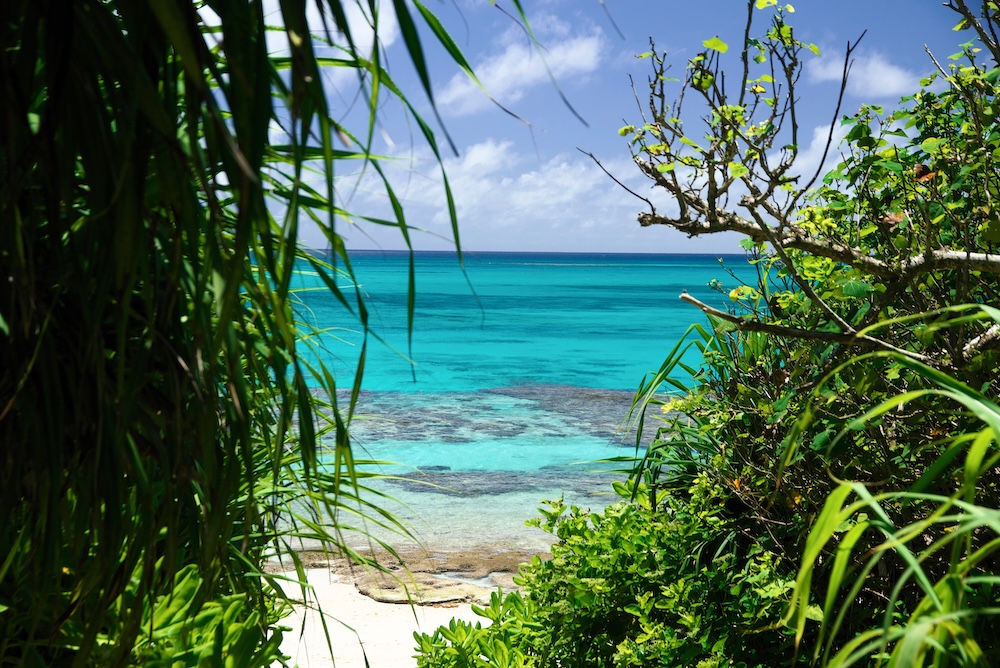
Miyako Island offers a side of Japan that feels completely removed from the busy streets, rail networks and tightly planned sightseeing routes of Tokyo, Kyoto and Osaka. This is a destination for white-sand beaches, clear water, snorkeling, scenic bridge drives and slower days shaped by the weather rather than a long attraction checklist.
It is particularly rewarding for repeat visitors to Japan, beach lovers and travelers comfortable renting a car and leaving room for spontaneous swimming, sunset stops and local meals.
Want a self-drive island escape. A rental car makes it much easier to move between beaches, restaurants, bridges and viewpoints without planning around infrequent buses. In a recent traveler discussion comparing rental cars and taxis, visitors generally agreed that taxis can work for a resort-focused stay, while a car offers better value and flexibility for wider exploration.
Are visiting mainly for beaches and snorkeling. Miyako’s low-lying limestone and coral landscape has no large rivers carrying significant sediment into the surrounding sea, contributing to the clear water for which the island is known. Yonaha Maehama is the classic white-sand beach, while Yoshino and Aragusuku are popular snorkeling areas when conditions are suitable.
Prefer a slower itinerary. Four or five nights give you time to adjust plans around wind, rain and sea conditions without forcing every beach and bridge into one day. A recent four-day Miyakojima itinerary discussion reflects a common traveler conclusion: the island may look quiet on paper, but that relaxed pace is part of the appeal.
Have already explored Japan’s major cities. Miyako is an excellent choice for travelers who have experienced the usual Tokyo–Kyoto–Osaka route and now want a subtropical, car-oriented destination with a completely different rhythm.
Choose Miyako when your priorities are beaches, clear water, snorkeling and scenic drives across bridge-connected islands such as Irabu, Kurima and Ikema.
Ishigaki has more varied terrain, including mountains and mangroves, and acts as a ferry hub for islands such as Taketomi and Iriomote. It is often a better base for travelers interested in island-hopping, hiking and a broader mixture of landscapes.
This difference regularly shapes traveler comparisons between Miyakojima and Ishigaki: Miyako is generally favored for beach time and ocean scenery, while Ishigaki suits travelers seeking nature variety and access to several separate islands.
Do not drive or lack the correct documents. Miyako has no railway, but it does have scheduled buses and taxis. Services may be too limited for flexible beach-hopping, so a car-free trip works best when you stay in Hirara or at a resort with airport transfers, use guided tours and reserve taxis for specific outings. The official Okinawa bus guide provides an overview of island routes.
Most international visitors need their domestic driving licence and an International Driving Permit issued under the 1949 Geneva Convention. Drivers from certain countries and regions instead need their licence with an approved Japanese translation. Check the official JNTO driving guidance before renting a vehicle.
Are traveling with young children. Children under six must use an appropriate child seat in Japan, so reserve one with the rental car in advance. Families should also check whether a beach has lifeguards, toilets, shade and a designated swimming area rather than assuming every beautiful shoreline is suitable for children.
Are on a tight budget. Flights, rental cars, beachfront resorts and guided marine activities can make Miyako more expensive than a mainland city stay. Staying in Hirara, booking a compact car early and choosing only one or two paid excursions can help control costs. Cards are increasingly accepted, but carrying some yen remains useful for small restaurants, parking and beach facilities.
Need a predictable schedule. Wind, rain, rough seas and typhoons can disrupt snorkeling, boat trips, flights and road travel. Tropical cyclones can affect Okinawa from early summer into autumn, with the greatest risk generally occurring in late summer. Flexible cancellation policies and a buffer before important onward flights are valuable.
Want extensive nightlife or rainy-day attractions. Hirara has restaurants and bars, but Miyako remains primarily a beach and nature destination. Travelers seeking large museums, shopping districts or late-night entertainment may find it too quiet.
A car is less essential when you plan to stay at a full-service resort, use airport and hotel transfers, and book only one or two guided excursions. Regular buses and taxis can support a simpler itinerary, but they require more planning and provide less spontaneity. Current local transport providers are listed by the Miyakojima Tourism Association.
Renting a car for only one or two days can be a useful compromise. It gives you enough time to cross the major bridges, visit several beaches and try local restaurants without paying for a vehicle throughout the entire stay.
To ensure a seamless transition from the high-tech streets of mainland Japan to the laid-back rhythms of Miyako Island, there are a few critical steps you must take well before you leave home
Secure Your International Driving Permit (IDP): You cannot rent or drive a car in Japan without an IDP issued under the 1949 Geneva Convention (unless you hold a driving license from a select few countries like Germany, France, or Taiwan, which require an official Japanese translation instead). Obtain this in your home country before departure—it cannot be issued once you arrive in Japan.
Reserve Your Rental Car Months in Advance: Unlike Tokyo, where public transport is a given, Miyako Island’s rental car fleet is limited. The moment your flights are locked in, book a vehicle. During the peak summer and holiday seasons, vehicles completely sell out.
Because Miyako Island is a pristine, flat coral environment with distinct local norms, your packing list and mental checklist should look very different from a standard mainland Japan itinerary. Bring:
Marine Shoes (Water Shoes): A strict must-have. Because Miyako is a coral island, the shallow waters near the shore are filled with sharp coral fragments and rock formations. Standard flip-flops will wash away, and bare feet risk severe cuts.
Reef-Safe Sunscreen: Protect your skin and the marine ecosystem. The sun is incredibly intense in Okinawa, but standard chemical sunscreens bleach the very coral reefs that give "Miyako Blue" its magic. Look for mineral-based, reef-safe formulas.
Rash Guard / UV Swimwear: Wearing long-sleeve swimwear is highly recommended. It shields you from the intense subtropical sun and provides a layer of protection against seasonal jellyfish.
Stock Up on Physical Cash (Japanese Yen): Withdraw plenty of cash before leaving the mainland or at the Miyako airport. Many of the best local beachside noodle shops, parking lots, and fruit stands do not accept credit cards or digital payments.
Download an Offline Translation App: While major resorts have English-speaking staff, small local diners and independent gear rental shops often operate entirely in Japanese. Having Google Translate with an offline Japanese pack downloaded is a lifesaver.
Commit the "No Standing on Coral" Rule to Memory: Unlike deeper diving destinations, Miyako's coral structures sit in incredibly shallow water. Promise yourself never to step on, touch, or kick the coral reef while swimming or snorkeling.
This is the “cheat sheet” section readers will likely screenshot.
Do carry plenty of physical Japanese Yen
Do book your rental car the moment you secure flights
During peak summer months and Japanese holiday weeks, the island's rental fleet entirely sells out.
Do wear marine shoes whenever you enter the ocean
Do wear a life jacket when snorkeling
Even in shallow water, coastal currents can shift unexpectedly. Many of Miyako's most beautiful natural beaches are completely unmonitored with no lifeguards on duty.
Do check your fuel gauge before crossing the three major bridges
Once you cross over to the smaller connected islands (like Irabu, Kurima, or Ikema), gas stations become incredibly scarce and close early in the evening.
Don't step on, stand on, or kick the live coral reef
Stepping on it or hitting it with your fins can instantly destroy structures that took decades to grow and kill marine life.
Don't stop your vehicle on the three major ocean bridges for photos
Stopping or parking on these long, two-lane bridges (Irabu, Kurima, and Ikema) is strictly illegal and highly dangerous due to heavy ocean crosswinds and blind spots for trailing traffic.
Don't go near the ocean when a typhoon is approaching
Even if the sky still looks clear, an approaching typhoon creates massive, invisible underwater swells and dangerous rip currents that can pull you out to sea instantly.
Don't walk into local restaurants or supermarkets in just your swimwear
Even right next to a beach trail, walking into a business without proper clothing is considered bad manners. Always throw on a dry T-shirt and shorts or a cover-up first.
Don't leave trash behind on the beaches
Miyako's pristine environment is meticulously maintained by local volunteers and strict environmental rules. Pack out every piece of garbage you bring in.
If you accidentally step on coral or get warned by a guide: Immediately tuck your knees in to return to a horizontal floating position to keep your feet away from the reef.
If they say cash only, look for the nearest convenience store (like FamilyMart) or a Japan Post (JP) bank branch. Most of these locations feature international ATMs where you can easily withdraw Yen using your foreign debit or credit card.
If you get lost or take a wrong turn on rural farm roads: Miyako's network of single-lane sugar cane fields can occasionally confuse GPS apps. Do not slam on your brakes in the middle of the road.
Here is how you can seamlessly integrate a trip to Miyako Island into your wider itinerary, broken down by travel style with actionable, high-level advice
For the first 5 days, enjoy the neon lights, gourmet food, and high-tech transportation of Tokyo or Osaka. Using the JR Pass and Meet & Greet servic will make intercity travel smoother. Then, take a 3-hour direct flight to Miyako Island. For 4-5 days, relax at a laid-back tropical resort.
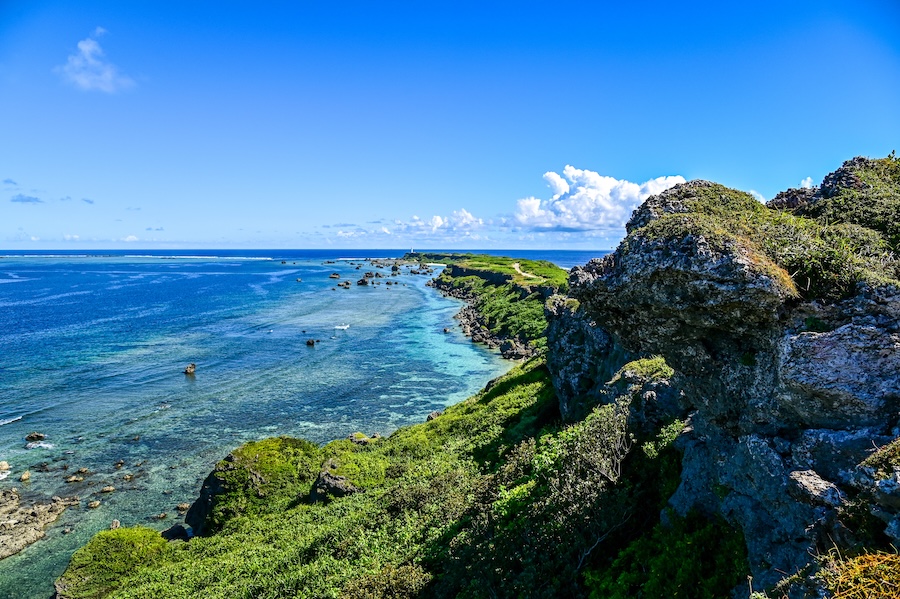
Recommended activities: In the morning, why not drive across the Irabu Bridge, Japan's longest free bridge at 3,540 meters (a bridge that showcases the pinnacle of engineering technology), or cross the scenic Ikema Bridge and Kurima Bridge? In the afternoon, enjoy sunbathing on the fine sandy beaches of Yonaha Maehama, renowned as one of Japan's most beautiful beaches.
When traveling between mainland Japan and Miyako Island, use Japan's baggage delivery service (Takkyubin) to send heavy luggage to your resort on the island in advance. This will allow you to travel light during your flight and easily fit the whole family and their daypacks into a compact rental car.
Recommended activities:Avoid deep-sea areas and beaches without lifeguards, and choose safe, shallow marine parks such as Imgya Marine Garden, where you can enjoy kayaking in crystal-clear waters. Local restaurants in Hirara offer family-friendly Okinawan cuisine such as Yudofu (boiled tofu) and Miyako Soba. Why not enjoy a relaxing cultural experience at the quirky Ueno German Cultural Village, or admire rare subtropical plants at the lush Miyako Island Municipal Tropical Botanical Garden without being bothered by strong currents.
Book hotels (or guesthouse) in the heart of Hirara City, and reserve your rental car several months in advance to secure the best price. Use a map to check out local cash-only restaurants, entrances to public beaches like Shinjo and Yoshino (where you can enjoy free snorkeling from the beach), and historical sites such as the Tsutani Shrine tomb and the Tax Stone. With Pocket Wi-Fi or a local eSIM, you can check real-time weather forecasts and low tide schedules, and easily access hidden scenic spots like 17 End (Shimoji Island).
Q: How Do I Get To Miyako Island?
A: You get to Miyako Island by plane. There are no regular passenger ferries from mainland Japan or Okinawa Main Island, so most travellers fly into Miyako Airport or Shimojishima Airport. Direct flights may operate from places such as Tokyo, Osaka, Nagoya, Naha, and other Japanese cities depending on the route and season.
Q: Is Miyako Island Worth Visiting?
A: Yes, Miyako Island is worth visiting if you want white-sand beaches, clear blue water, snorkeling, scenic bridges, and a slower tropical side of Japan. It is not the best choice if you want temples, trains, nightlife, or an easy city-style itinerary. Miyako is best when you treat it as a beach-focused escape, not as another stop on the usual Tokyo, Kyoto, and Osaka route.
Q: Do I Need A Rental Car In Miyako Island?
A: A rental car is strongly recommended in Miyako Island. The island has no railway, public transport is limited, and many beaches, viewpoints, restaurants, and bridge routes are much easier to reach by car. If you plan to drive, arrange the correct driving documents before arriving in Japan, as you cannot fix this after landing.
Q: Can I Visit Miyako Island Without A Car?
A: You can visit Miyako Island without a car, but your trip will be more limited. It works best if you stay at a resort, use hotel shuttles, book guided tours, rely on taxis, or keep your plans close to one area. If you want to beach-hop, cross the bridges, visit smaller restaurants, and explore freely, not driving can become frustrating and expensive.
Q: How Many Days Do You Need In Miyako Island?
A: Four to five nights is a good amount of time for Miyako Island if you want beaches, snorkeling, scenic drives, local food, and a slower island rhythm. Two or three nights can work if you only want the highlights, but it will feel rushed. One night is usually too short unless you are only adding a quick beach stop before flying elsewhere.
Q: When Is The Best Time To Visit Miyako Island?
A: The best time to visit Miyako Island depends on what you want. April, early summer, and October can be good for beach weather with fewer peak-season crowds. July and August are hot, lively, and very popular, but they are also busier and more expensive. Okinawa’s typhoons mainly affect travel from June to September, so keep flights, hotel cancellation rules, and weather updates in mind.
Q: Should I Worry About Typhoons In Miyako Island?
A: You do not need to panic, but you do need a flexible plan. Typhoons can disrupt flights, close beaches, make driving unsafe, and keep travellers inside their hotels. If you visit during typhoon season, avoid tight onward connections, check cancellation policies before booking, and monitor the weather before and during your trip.
Q: Is Miyako Island Better Than Ishigaki?
A: Miyako Island is usually better if your priority is beaches, clear water, easy snorkeling, and scenic ocean bridges. Ishigaki is usually better if you want more varied landscapes, mountains, mangroves, and ferry access to islands such as Taketomi and Iriomote. The simple version: choose Miyako for beaches and blue water, choose Ishigaki for island-hopping and nature variety.
Q: What Are The Best Beaches In Miyako Island?
A: Yonaha Maehama Beach is the classic choice for soft white sand, turquoise water, and sunsets. Yoshino Beach and Aragusuku Beach are popular for snorkeling, while Imgya Marine Garden can be useful for a calmer, more sheltered sea experience. Sunayama Beach is beautiful for photos, but conditions can vary, so always check local signs before swimming.
Q: Is Miyako Island Good For Snorkeling And Sea Turtles?
A: Yes, Miyako Island is very good for snorkeling, especially because coral reefs and marine life can be reached from some beaches. Yoshino Beach, Aragusuku Beach, and Imgya Marine Garden are often mentioned for snorkeling. Sea turtles are possible, but never guaranteed. Do not touch coral, stand on reefs, chase marine life, or enter the water if conditions look unsafe.
Q: Is Miyako Island Safe For Families With Children?
A: Miyako Island can be great for families, but beach safety needs planning. Choose beaches with facilities when possible, check whether lifeguards or swimming areas are available, and bring water shoes, rash guards, sunscreen, water, snacks, and cash. Some natural beaches have sharp coral, currents, limited shade, and no lifeguards, so families should not treat every beautiful beach as an easy swimming beach.
Why should I book with JapanDen?
How do I book a hotel or ryokan through JapanDen?
What types of accommodations do you offer in Japan?
How can JapanDen help with planning my trip?
As well as booking accommodation, JapanDen is a place to learn more about Japan and how you can make the most of your time in this special country. From in-depth region guides to stories from Japan, we’ll be regularly publishing carefully curated insights from Japanese culture, with recommendations for the best activities and attractions and the latest news. Looking forward, we’ll also be adding special community features so you can share ideas and inspiration with like-minded people. Please come back and visit us regularly as we continue to add new content. We want JapanDen to be your home away from home too.
Do you offer guided tours in Japan, and how can I book one?
As part of the JRPass.com group, we offer a dedicated Meet and Greet service with expert personal assistance on your arrival in Japan booked via JRPass.com, alongside nationwide and regional rail passes for travel. As JapanDen grows, we will be offering more services and activities to provide a complete Japan travel experience.
Can I purchase Japan Rail Passes through your website?
JapanDen is part of the JRPass.com group, book your passes and tickets directly on JRPass.com