Meiji Shrine Tokyo
Where serenity meets fabulous
Look, if Tokyo has a five-course tasting menu, Meiji Shrine is the perfectly cooked dessert at the end of the courses. It's peaceful, beautiful to look at, and makes you feel deeply fulfilled simply by experiencing through it. This forest-wrapped haven, located adjacent to Harajuku's neon pandemonium, is where Tokyo exhales, and you will as well.
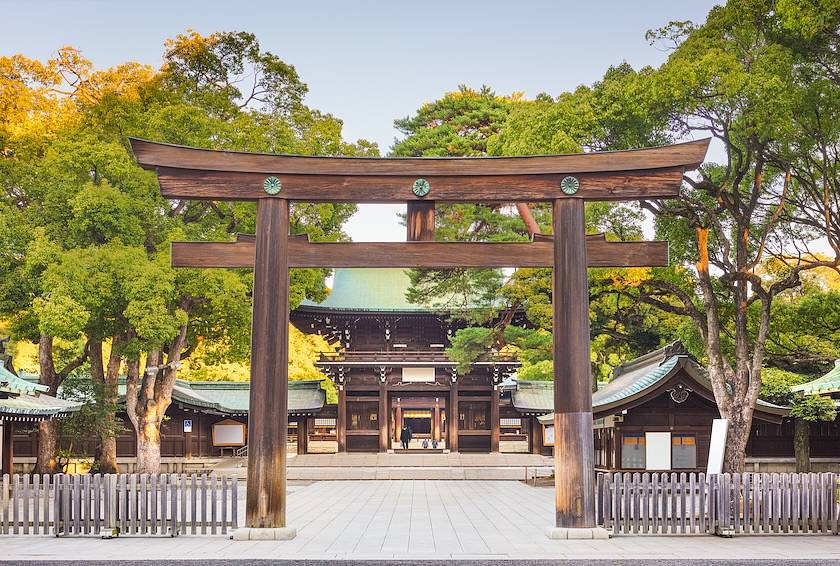
Built to honor Emperor Meiji and Empress Shōken, it combines old-world charm with the city's vibrant energy. Consider the intersection of Shinto culture and mindfulness during fashion week. Families love it, couples enjoy it, and, let's be honest, everyone looks good in front of those massive torii gates.
Type |
Shinto Shrine (and instant aura reset) |
Location |
Shibuya, Tokyo, between Harajuku and Yoyogi |
Address |
1-1 Yoyogi-Kamizono-cho, Shibuya, Tokyo 151-8557 |
Opening Hours |
Sunrise to sunset (varies by season) |
Admission/Ticket |
Free for the main shrine; ¥500 for the garden, ¥1000 for the museum |
Official Website |
|
Nearest Station |
Harajuku (JR Yamanote Line) or Meiji-Jingumae (Tokyo Metro) |
Languages/Signage |
Japanese and English throughout; clear pictograms for directions and etiquette. Staff at main gates can assist basic English inquiries. |
Best For |
Culture lovers, couples, families, solo wanderers, anyone who needs a spiritual detox |
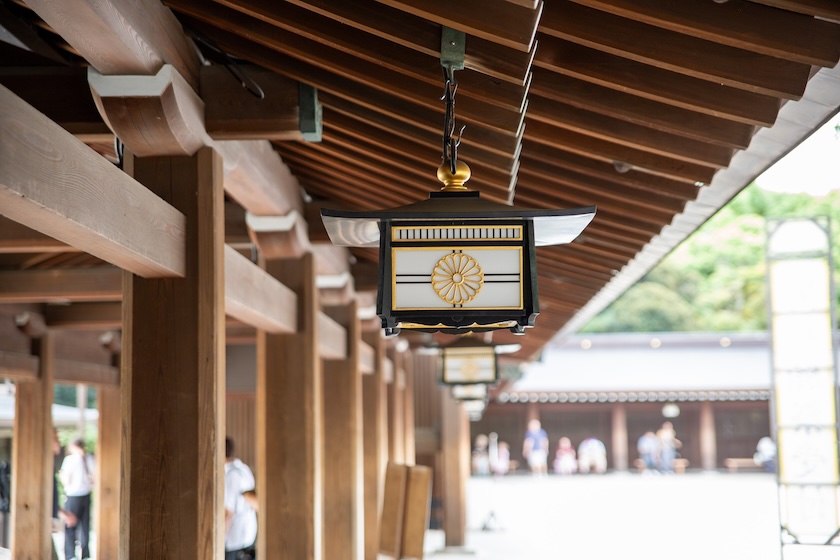
It's more than simply a shrine; it's a vibe.
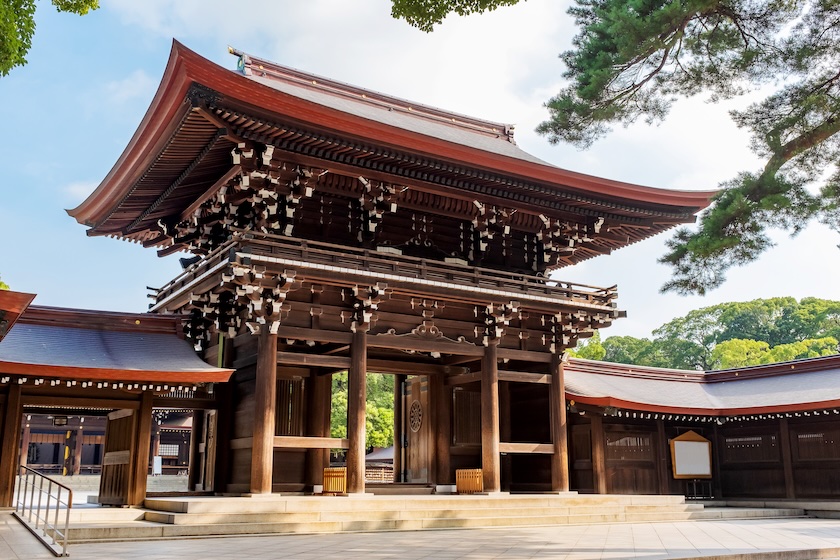
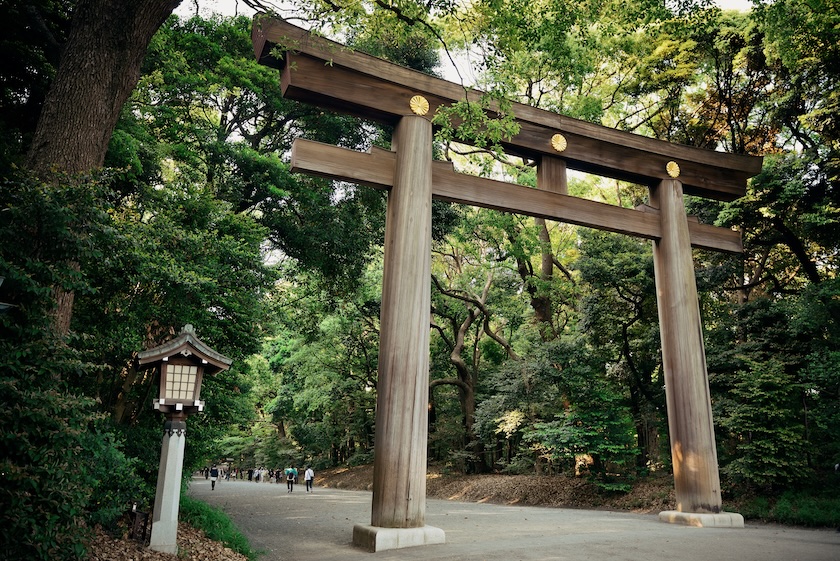
You'll float beneath tall wooden torii gates into a verdant forest that will make you forget you're in the heart of Tokyo. The gravel paths crunch softly underfoot (like your own personal runway), leading you to the great courtyard, where rites are performed with beautiful precision.
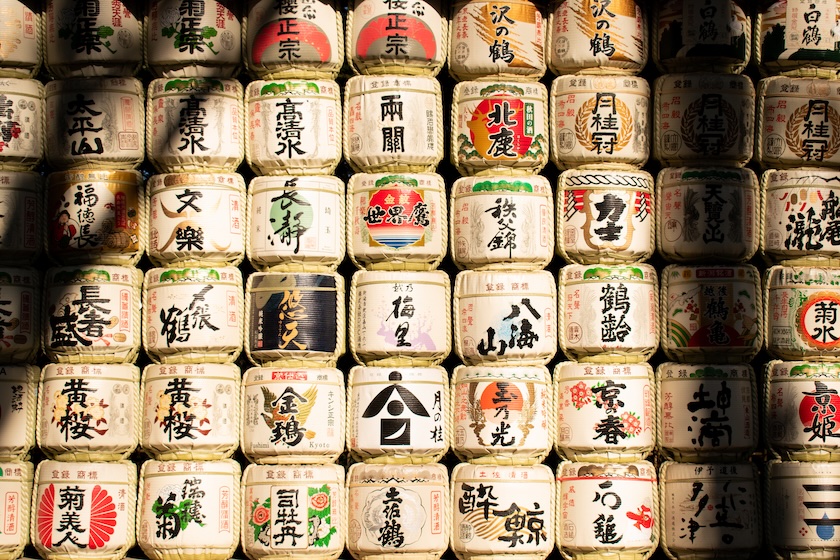
Stop at the sake and wine barrels, a fabulous symbol of Japan’s East-meets-West flair.
Peek at a traditional wedding procession if you’re lucky. The brides here? Perfection.
Visit the Inner Garden, where blooming irises and koi ponds make you feel like you’ve stepped into a poem.
Wander the Meiji Jingu Museum, designed by architectural darling Kengo Kuma, for a touch of refined modernity.
It’s peaceful, it’s photogenic, and it smells like nature’s version of a luxury spa.
Honestly? Everyone with a pulse and a camera.
Couples: It’s the ultimate “we’re cultured” date spot.
Solo travelers: Ideal for deep thoughts, or just pretending you’re in a movie.
Families: Easy walks, no chaos, and kids love spotting weddings.
Fashionistas: The perfect breather between Takeshita Street and Omotesandō boutiques.
Tourist-friendly, quiet, and effortlessly elegant. It’s like the Audrey Hepburn of shrines.
Go early: Sunrise is pure magic, mist, light, and barely a soul in sight.
Stay an hour (or two): Enough time to soak in the serenity and snag some jaw-dropping photos.
Bring: Cash for omamori (good luck charms), a power bank, and maybe some tissues because beauty gets emotional.
Shoes: Comfy and stylish. Think “forest-chic,” not “nightclub glam.”
Avoid New Year’s crowds: Over 3 million visitors show up. It’s like Times Square but with incense.
With kids: Bring snacks, promise them ice cream in Harajuku afterward, and they’ll love you forever.
Tokyo smart-casual with a touch of comfort. Flowy dress, linen shirt, and sunglasses. You'll appear to have come here to purify both your aura and your Instagram feed.
By Train: JR Yamanote Line to Harajuku or Chiyoda/Fukutoshin Metro Line to Meiji-Jingumae. From there, follow the crowd of calm, well-dressed people—it’s impossible to miss.
By Foot: If you’re already shopping in Omotesandō or people-watching in Yoyogi Park, it’s a short, leafy stroll away.
By Taxi: Quick ride from Shibuya, just don’t expect to be dropped at the main gate (vehicles stay out of the forest).
After your spiritual glow-up:
Café Kitsuné: Parisian coffee, Japanese minimalism, and latte art that flirts with you.
Yoyogi Park (pictured below): The shrine’s lively neighbor, great for picnics, musicians, and Tokyo’s most photogenic dogs.
Omotesandō: Where Chanel meets crepes. Perfect for shopping therapy after enlightenment.
Dedicated to Emperor Meiji (Japan's first modernizer) and his empress, the shrine was constructed in 1920, destroyed during WWII, and rebuilt in 1958, because elegance always makes a comeback.
The surrounding forest is not ancient; it was created by planting over 100,000 trees donated by people all throughout Japan. Imagine an entire country contributing to a single sacred, fashionable green lung in the heart of Tokyo. That's collective serenity at its best.
It's also the go-to location for important Shinto weddings, national events, and solitary solo walks where you may reflect on your life, or just your wardrobe choices.
Stay Nearby: Pick a chic hotel in Shibuya or Omotesandō. Nothing beats rolling out of bed and into tranquility.
Getting Around: A JR Pass is great if you’re hopping between cities. Otherwise, Tokyo’s Metro is your best friend, efficient, clean, and practically a spa on rails.
Stay Connected: Pocket Wi-Fi or a local SIM card, because if you can’t post that torii photo, did it even happen?
Airport Arrival: Book a Meet & Greet service and glide into Tokyo like the VIP you are.
Japan Basics: Cash is queen (yes, still). Bow lightly, don’t talk loudly at the main hall, and take a deep breath, it’s your moment of zen.
Do I need a ticket?
No, darling, it’s free. The gardens and museum cost extra, but worth every yen.
What time does Meiji Jingu open?
From sunrise to sunset, nature sets the schedule, and she knows best.
Is it kid-friendly?
Absolutely. Think stroller-friendly paths, zero chaos, and endless space to run.
Can I visit in the rain?
Yes! Bring a clear umbrella, Tokyo drizzle looks cinematic under the trees.
Meiji Shrine is famous for its peaceful forest setting in the heart of Tokyo, its massive wooden torii gates, and its deep cultural significance as a Shinto shrine dedicated to Emperor Meiji and Empress Shōken.
Absolutely, Meiji Jingu Shrine is 100% worth visiting. It’s one of Tokyo’s most beautiful and tranquil spots, offering a serene escape from the city’s buzz.
Yes, Meiji Shrine is free to enter. The main shrine grounds and forest paths don’t require a ticket. Only the Inner Garden (¥500) and the Meiji Jingu Museum (¥1000) have small admission fees if you’d like to explore those areas too.
Why should I book with JapanDen?
How do I book a hotel or ryokan through JapanDen?
What types of accommodations do you offer in Japan?
How can JapanDen help with planning my trip?
As well as booking accommodation, JapanDen is a place to learn more about Japan and how you can make the most of your time in this special country. From in-depth region guides to stories from Japan, we’ll be regularly publishing carefully curated insights from Japanese culture, with recommendations for the best activities and attractions and the latest news. Looking forward, we’ll also be adding special community features so you can share ideas and inspiration with like-minded people. Please come back and visit us regularly as we continue to add new content. We want JapanDen to be your home away from home too.
Do you offer guided tours in Japan, and how can I book one?
As part of the JRPass.com group, we offer a dedicated Meet and Greet service with expert personal assistance on your arrival in Japan booked via JRPass.com, alongside nationwide and regional rail passes for travel. As JapanDen grows, we will be offering more services and activities to provide a complete Japan travel experience.
Can I purchase Japan Rail Passes through your website?
JapanDen is part of the JRPass.com group, book your passes and tickets directly on JRPass.com