Kawazu-zakura

Early-blooming cherry blossoms
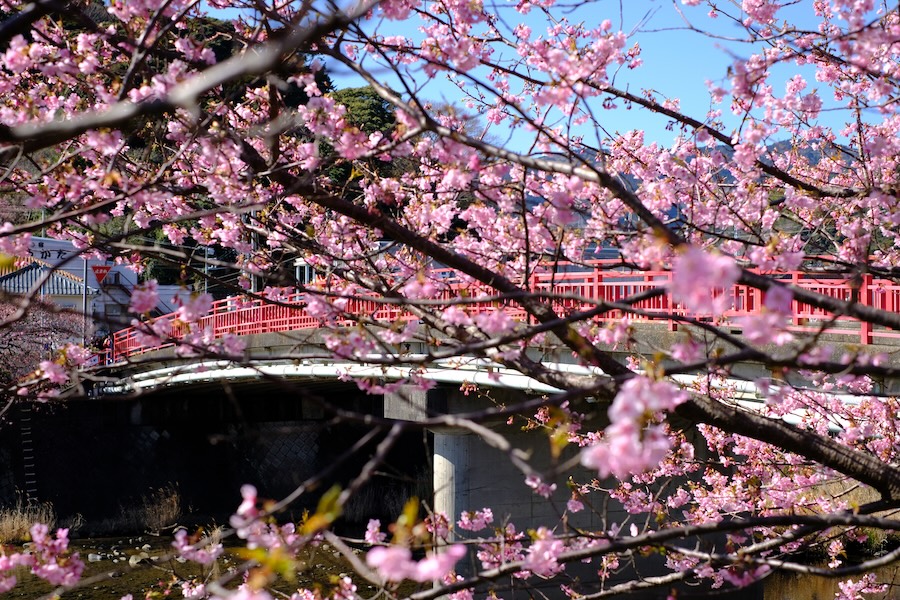
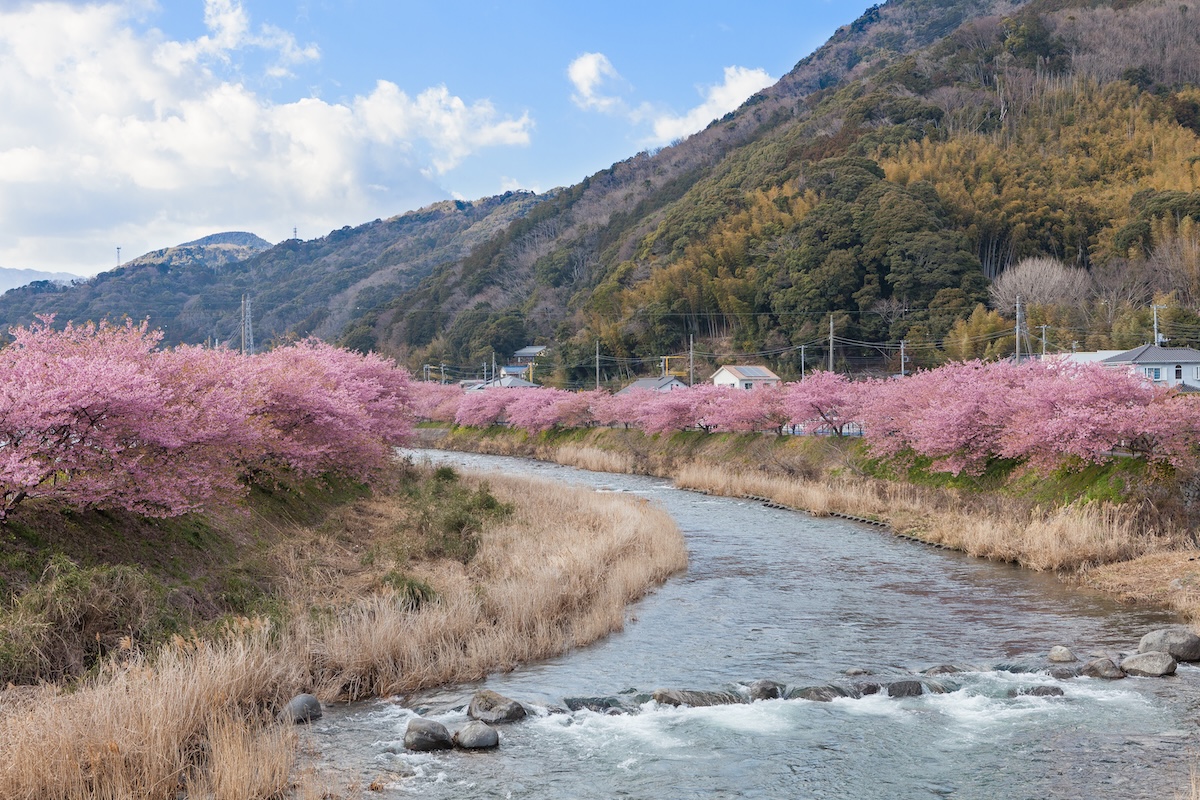
Kawazu-zakura are Japan’s best-known early-blooming cherry blossoms, recognized for their deep pink color and extended flowering season. Unlike most cherry blossom spots that peak in late March or early April, Kawazu-zakura typically bloom from late January through early March. The most popular viewing area is Kawazu Town on the Izu Peninsula in Shizuoka Prefecture, where thousands of trees line the Kawazu River. Visitors enjoy scenic riverside walks, seasonal food stalls, and a relaxed coastal-town atmosphere, making it a favorite for couples, photographers, and winter travelers seeking an early cherry blossom experience.
Here are the essential facts to help you plan your visit at a glance.
Item |
Details |
Type |
Festival/seasonal flower viewing |
Location |
Shizuoka Prefecture, Kawazu Town (Izu Peninsula) |
Address |
Kawazu Town, Kamo District, Shizuoka Prefecture, Japan |
Opening Hours |
Open area; festival stalls generally operate from around 9:00 am to 5:00 pm |
Admission/Ticket |
Free; small donations may be requested for evening illuminations |
Official Website |
|
Nearest Station |
Kawazu Station (Izu Kyuko Line) |
Languages/Signage |
Japanese with limited English signage |
Best For |
Couples, photographers, solo travelers, families |
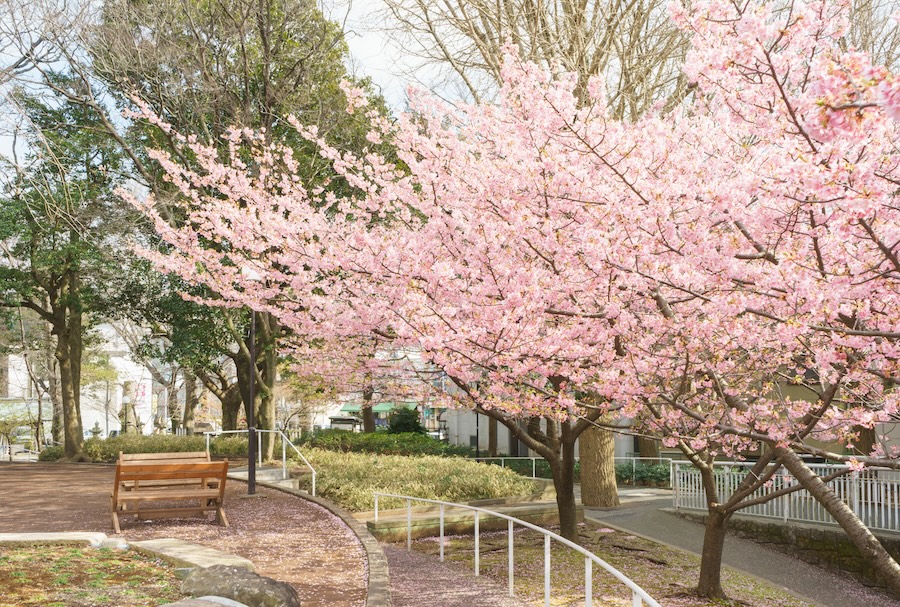
A visit to Kawazu-zakura centers around a leisurely walk along the Kawazu River, where rows of cherry trees stretch for several kilometers. The atmosphere is lively but more relaxed than major city blossom spots.
Highlights include:
Long riverside paths ideal for slow walks and photography
Seasonal food stalls selling sakura-themed sweets, grilled seafood, and local snacks
Evening illuminations that light up the blossoms after sunset
Small bridges and open riverbanks that create natural photo spots
Occasional local performances and festival booths during peak bloom
The blossoms themselves are darker pink than standard cherry blossoms and tend to bloom for about a month, giving visitors more flexibility with travel dates.
This destination appeals to a wide range of travelers, but some groups will enjoy it more than others.
Couples will appreciate the romantic riverside scenery, especially during golden hour or nighttime illuminations. Photographers benefit from the long bloom period and uncrowded weekday mornings. Solo travelers will find the area easy to navigate and welcoming, even without Japanese language skills.
Families with strollers can manage the main paths, though weekends can get crowded. Elderly visitors should note that most walking routes are flat, with benches available along the river. First-time Japan visitors will appreciate the festival atmosphere without the overwhelming crowds of Tokyo or Kyoto in peak season.
A little planning goes a long way when visiting Kawazu-zakura, especially during peak bloom.
Best arrival times: Arrive before 10:00 am on weekdays for fewer crowds. Late afternoon works well for photos and evening illuminations.
Tickets: No tickets are required, but bring small cash for food stalls and donations.
Must-bring items: Comfortable walking shoes, cash, a power bank, and a light jacket for evening temperatures.
Navigation: Follow the river path outward from Kawazu Station for the most concentrated blossom views.
Peak seasons and queues: Late February weekends are the busiest, especially if blooms align with good weather.
Etiquette reminders: Do not shake branches or pick flowers. Dispose of trash properly and follow posted festival rules.
Dress for outdoor walking and changing winter-to-spring weather.
In winter months, layered clothing works best, as mornings and evenings can be chilly. Comfortable walking shoes are essential for long riverside paths. If visiting in late February or early March, a light coat or windbreaker is usually enough during the day. For evening illuminations, bring warmer layers, as temperatures drop quickly after sunset.
Getting to Kawazu is straightforward, though the final leg takes longer than many expect.
By train: From Tokyo Station, take the JR Tokaido Line or limited express train to Atami, then transfer to the Izu Kyuko Line to Kawazu Station. Total travel time is about three hours.
By bus: Local buses operate within the Izu Peninsula, but trains are more reliable for visitors.
By car or taxi: Driving from Tokyo takes around three to four hours, depending on traffic. Paid parking is available near the festival area during peak season.
By bike or on foot: Once in Kawazu, most viewing areas are within walking distance of the station.
Make the most of your trip by exploring nearby spots after enjoying the blossoms.
Food and drinks: Local seafood restaurants near the station offer fresh sashimi and grilled fish. Cafes along the river serve seasonal desserts.
Attractions and experiences: Visit Kawazu Seven Waterfalls for a nature-focused side trip or relax at nearby onsen facilities.
Shopping: Small souvenir shops sell local citrus products, sakura sweets, and handmade crafts.
Kawazu-zakura are a naturally occurring cherry blossom variety discovered in Kawazu Town in the 1950s. Unlike Somei Yoshino, these trees bloom earlier and last longer, making them unique among Japan’s cherry blossoms. The town began planting them along the river in the 1970s, gradually transforming the area into a seasonal attraction. Today, the Kawazu Cherry Blossom Festival draws visitors from across Japan and abroad and is considered one of the earliest major sakura events of the year.
Turning your Kawazu-zakura visit into a smooth trip is easier with a little advance planning.
Stay: Book lodging near Kawazu or along the Izu Peninsula to avoid late train returns. During peak bloom, find accommodations near Kawazu-zakura through JapanDen early.
Transport: A nationwide rail pass may not be cost-effective for this area. Compare JR Pass and regional pass options that cover the Izu region.
Connectivity: Mobile reception is generally reliable. Stay connected with Pocket Wi-Fi or a SIM card for schedules and translation.
Personal assistance: Festival periods can be crowded. Book a Meet & Greet Service if you prefer guided arrivals or transfers.
Japan basics: Carry some cash, use IC cards where available, and expect limited English in smaller towns.
Q: Do I need a ticket to see Kawazu-zakura?
A: No ticket is required. The viewing areas are open to the public, though small donations may be requested during illuminations.
Q: Is Kawazu-zakura kid-friendly?
A: Yes, the riverside paths are mostly flat, but crowds on weekends may be challenging for strollers.
Q: Is there shelter from the rain?
A: Limited shelter is available. Bring an umbrella or rain jacket if rain is forecast.
Q: Are pets allowed?
A: Pets are generally allowed on leashes, but crowded areas may be stressful for animals.
Q: Are there English signs?
A: Some English signage is available, but most information is in Japanese.
Q: When is the best time to see Kawazu-zakura?
A: Peak bloom usually occurs from mid-February to late February, depending on the weather.
Q: How crowded does Kawazu get during the festival?
A: Weekends during peak bloom can be very busy, especially midday.
Q: Can I visit Kawazu-zakura as a day trip from Tokyo?
A: Yes, but starting early is recommended due to the travel time.
Q: Are nighttime illuminations held every day?
A: Illuminations are usually held during peak bloom periods, subject to weather and bloom conditions.
Why should I book with JapanDen?
How do I book a hotel or ryokan through JapanDen?
What types of accommodations do you offer in Japan?
How can JapanDen help with planning my trip?
As well as booking accommodation, JapanDen is a place to learn more about Japan and how you can make the most of your time in this special country. From in-depth region guides to stories from Japan, we’ll be regularly publishing carefully curated insights from Japanese culture, with recommendations for the best activities and attractions and the latest news. Looking forward, we’ll also be adding special community features so you can share ideas and inspiration with like-minded people. Please come back and visit us regularly as we continue to add new content. We want JapanDen to be your home away from home too.
Do you offer guided tours in Japan, and how can I book one?
As part of the JRPass.com group, we offer a dedicated Meet and Greet service with expert personal assistance on your arrival in Japan booked via JRPass.com, alongside nationwide and regional rail passes for travel. As JapanDen grows, we will be offering more services and activities to provide a complete Japan travel experience.
Can I purchase Japan Rail Passes through your website?
JapanDen is part of the JRPass.com group, book your passes and tickets directly on JRPass.com
.jpg)