Japanese Tea Ceremony (Sadō / Chado)

Discover mindfulness through matcha
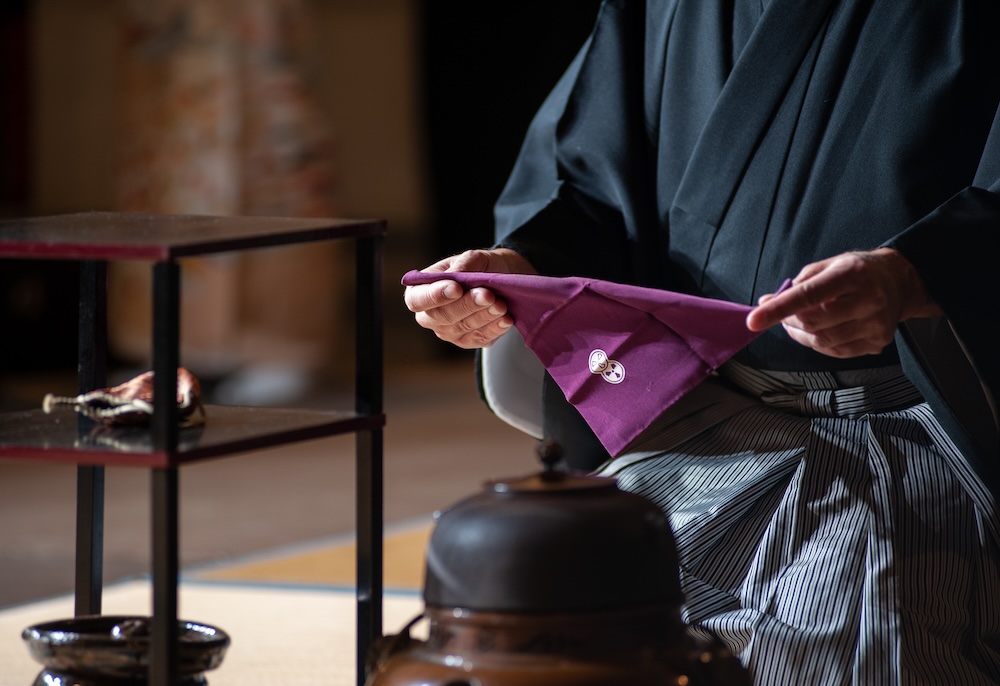
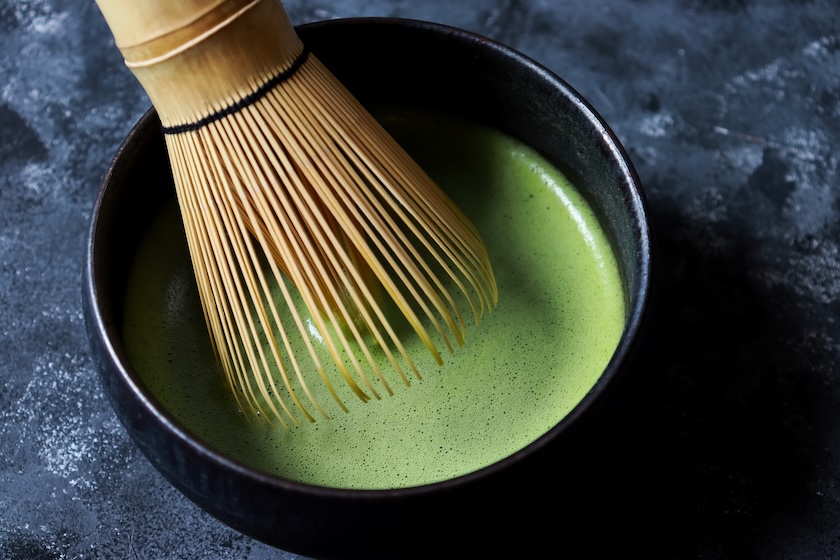
Japanese tea ceremonies, also known as sado or chado, are a traditional cultural practice centered around preparing and savoring the flavor of matcha green tea. Rooted in Zen Buddhism, tea ceremony is more than just drinking tea; it's a meditative ritual that values harmony, respect, purity, and serenity. It encourages participants to slow down, appreciate the beauty of each season, and connect with their hearts through simple, deliberate movements. The tea ceremony offers deep insight into Japanese aesthetics, hospitality, and philosophy. Travelers seeking a tranquil and meaningful experience will find tea ceremony particularly enjoyable.
Key Details |
|
Type |
Cultural Activity / Traditional Ritual |
Location |
Nationwide (Kyoto, Tokyo, Uji, Nara, Kanazawa are major hubs) |
Address |
Varies by venue (tea houses, temples, cultural centers) |
Opening Hours |
Varies by venue; commonly 10:00 am–5:00 pm |
Admission/Ticket |
¥2,000–¥8,000 depending on formality and location |
Official Website |
|
Nearest Station |
Available nationwide, you can find it at your desired travel destination |
Languages/Signage |
Many tourist-oriented ceremonies offer English explanations |
Best For |
Couples, solo travelers, cultural enthusiasts, seniors |
A tea ceremony follows a carefully choreographed flow designed to create a calm, respectful atmosphere.
Enter through a garden path (roji) symbolizing separation from daily life
Observe the tokonoma alcove with seasonal scrolls and flowers
Watch the host prepare matcha using precise ritual movements
Enjoy traditional Japanese sweets (wagashi) before the tea
Drink matcha slowly, appreciating taste, texture, and moment
Silence, subtle gestures, and attention to detail define the experience.
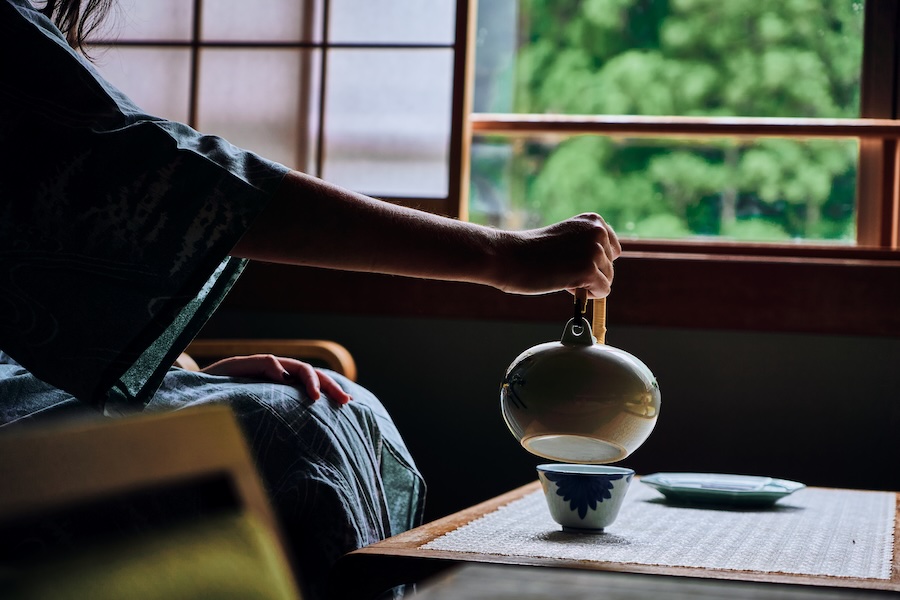
The tea ceremony is accessible to a wide range of travelers:
First-time visitors: Beginner-friendly demonstrations available
Seniors: Minimal walking; calm pace
Solo travelers: Meditative and welcoming
Families: Best suited for older children (quiet required)
Most venues explain etiquette clearly, making it approachable even without prior knowledge.
Best arrival times (beat the crowds / golden hour)
Ideally, you should arrive 10 minutes before your reservation time to allow time for preparation and explanation. Mornings or weekdays are generally the best times to visit.
Tickets (reserve in advance / timed entry)
Many teahouses are small and have limited capacity, so be sure to book online in advance; well-known establishments fill up quickly, especially on weekends.
Must-bring items (cash, power bank, Pocket Wi-Fi)
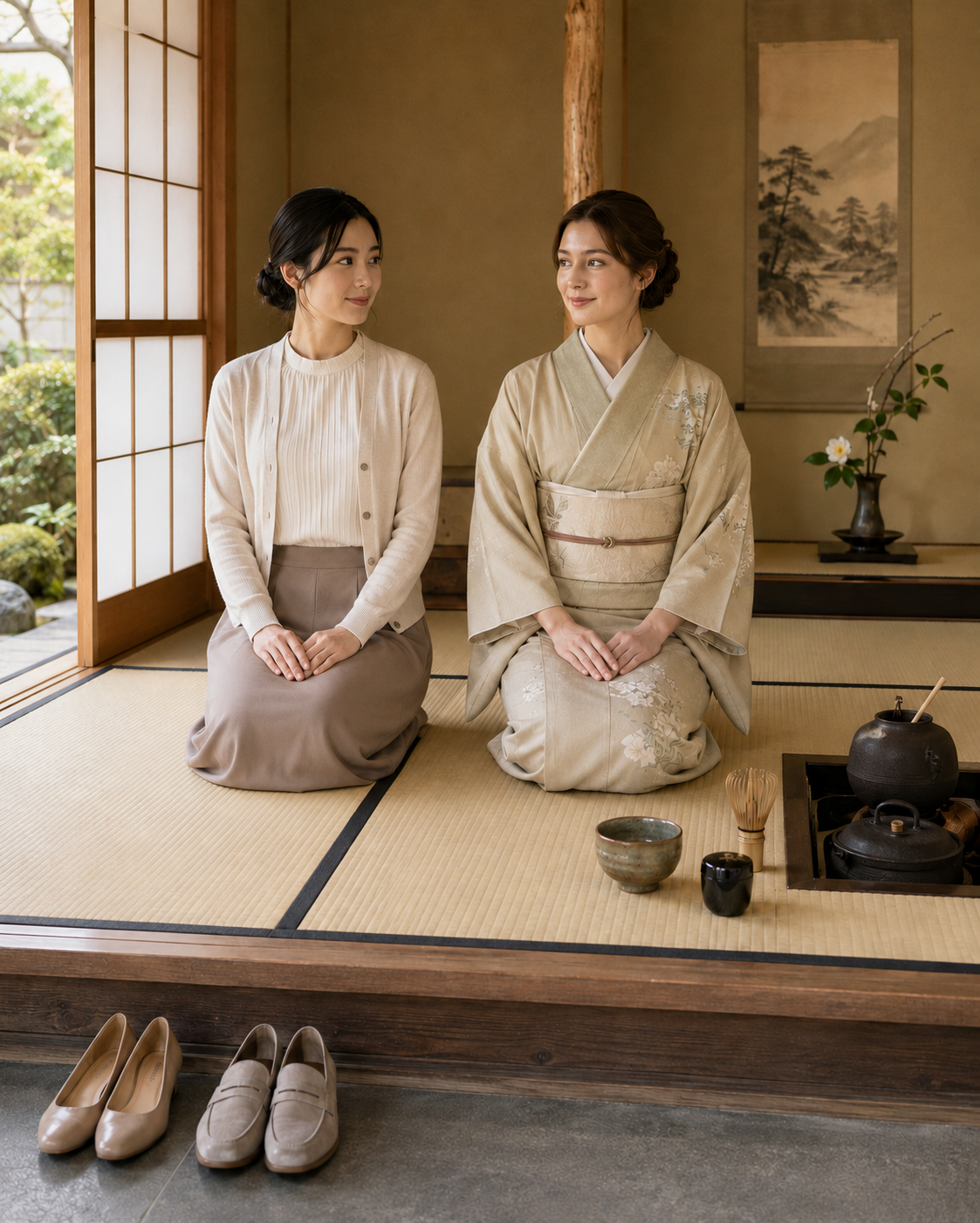
Be sure to bring socks (white or clean). If you are not comfortable sitting in seiza, it is useful to bring a lap blanket just in case. It is bad manners to be barefoot in a tea room.
Navigation (one-way paths, floor order, stroller/wheelchair routes)
Traditional tea rooms have low entrances (nijiriguchi) and tatami floors, making them difficult to access for wheelchairs and strollers.
Peak seasons & queue expectations
Reservations are especially essential in spring (cherry blossoms) and autumn (autumn leaves).
Etiquette reminders (shrine/onsen/museum rules)
Please refrain from wearing flashy clothing. Turn off your cell phone or set it to silent mode instead of silent mode. Perfume is strictly prohibited so that you can enjoy the aroma of the tea. This is a space where silence is valued, so making noise is considered bad manners.
Wear clean, modest clothing that’s comfortable to sit in, since you may be kneeling on tatami mats. Neutral or soft colors are ideal, and it’s best to avoid loud patterns, flashy accessories, or anything overly casual (like gym wear). Keep perfume and strong scents to a minimum, because tea ceremony spaces are small and the experience is meant to be calm and subtle. You’ll also need clean socks, as shoes are removed before stepping onto tatami (avoid holes or bold prints). A kimono is optional and never required for visitors. If you don’t wear one, a simple outfit like a long-sleeve top with a skirt or trousers is perfectly appropriate.
Here is an example of a tea ceremony experience in Kyoto (Kiyomizu-dera Temple), which is popular among international travelers.
By Train: The nearest station is ”Kiyomizu-Gojo Station” (about a 25-minute walk).
By Bus: Take city bus route 206 (towards Higashiyama-dori Kitaoji) or route 100 (towards Kiyomizu-dera/Gion) and get off at ”Gojozaka”. It is about a 10-minute walk up the hill.
By Car or Taxi:It takes about 15 to 20 minutes by taxi from Kyoto Station to Kiyomizu-dera Temple. However, the roads around Kiyomizu-dera Temple are narrow, so the taxi will drop you off at Gojozaka (near the entrance to Kiyomizu-dera Temple), and you will need to walk a little from there (about 5 to 10 minutes).
By Bike / On Foot:The nearest station is Kiyomizu-Gojo Station (about a 20-25 minute walk), and you can stroll through the charming streets on your way there.
Curated, close-range ideas to round out the plan:
Food & Drinks:There are several restaurants serving Yudofu and Shojin ryori (vegetarian cuisine), including ”Shimizu Junsei Okabeya”, which caters to vegans. Ninenzaka is also home to the world-famous Starbucks, a tatami-floored cafe chain, where you can enjoy coffee in a traditional Japanese building.
Attractions & Experiences: Sannenzaka (Sannenzaka) and Ninenzaka (Ninenzaka) are stone-paved slopes leading to Kiyomizu-dera Temple, and are a place where you can still see the traditional Kyoto streetscape. They are great spots to rent traditional kimonos and yukatas and take beautiful photos.
Shopping: The area around Kiyomizu-dera Temple is home to many shops selling ”Kiyomizu-yaki”, Kyoto's most famous pottery. Specialty stores selling beautifully designed folding fans and Japanese goods are also popular places to find Japanese souvenirs.
The Japanese tea ceremony developed between the 15th–16th centuries, strongly influenced by Zen Buddhism. Tea master Sen no Rikyū refined its philosophy and aesthetics, emphasizing simplicity and humility.
The ceremony embodies wabi-sabi, the beauty of imperfection and impermanence. Every gathering is considered “ichi-go ichi-e”—a once-in-a-lifetime moment.
Preparing for your trip is key to an unforgettable experience. Here is a guide to logistics and cultural essentials before you depart.
Stay: Accommodation: Nearby accommodations are recommended in the Kiyomizu-dera and Gion areas, and around Kyoto Station. Search for nearby hotels to suit your travel style.
Transport: Choosing the right rail pass can save you significant time and money. Your choice depends mainly on your itinerary:
JR Pass (Nationwide): Ideal for long-distance travel on major lines, such as Tokyo to Kyoto, Osaka, and Hiroshima, for 7, 14, or 21 consecutive days. If you plan to visit multiple major cities in addition to Kyoto, this pass is usually worth the purchase price.
Regional Pass: If you're concentrating your visits in a specific region, a regional pass is more economical. For such a concentrated itinerary, the Kansai Area Pass (1-4 days), which includes the Kansai area through Kyoto Station, is a better option than a nationwide pass. It has a lower initial cost and offers unlimited travel on JR lines within the designated area.
*Note: The Kansai Area Pass allows unlimited travel on JR buses in the Kansai area.
Connectivity: Staying connected is seamless with two main options. For traveling with a group and needing fast, unlimited data, a Pocket Wi-Fi is often recommended. Alternatively, a [SIM card] is excellent for solo travelers.
*Note: the SIM card can be bought together with the JR Pass and Regional Pass at the check-out
Personal Assistance:We can arrange a Meet & Greet service where an English-speaking guide will meet you directly at the airport upon arrival. They will assist with luggage, currency exchange, activating your transport pass, and provide guidance on transferring from the airport rail link to your accommodation. This service provides peace of mind and personalized support from the moment you arrive.
Japan Basics:
Etiquette: Show respect to elders; exchange business cards and cash with both hands; tipping is not expected.
Cash/Card: Outside major cities, cash is essential; always carry sufficient Japanese yen.
IC Cards: IC cards like Suica/Pasmo facilitate smooth payments on public transport and at convenience stores.
Accessibility: Public transport in major cities is increasingly barrier-free; information is available from JNTO.
Q: What is a tea ceremony?
A: A ritualized way of preparing and sharing tea, emphasizing mindfulness.
Q: What is the tea ceremony in Japan called?
A: Sadō or Chadō, meaning “The Way of Tea.”
Q: Is matcha always used in Japanese tea ceremonies?
A: Yes. Matcha is the central element.
Q: Can anyone participate in a Japanese tea ceremony?
A: Yes, including beginners and tourists.
Why should I book with JapanDen?
How do I book a hotel or ryokan through JapanDen?
What types of accommodations do you offer in Japan?
How can JapanDen help with planning my trip?
As well as booking accommodation, JapanDen is a place to learn more about Japan and how you can make the most of your time in this special country. From in-depth region guides to stories from Japan, we’ll be regularly publishing carefully curated insights from Japanese culture, with recommendations for the best activities and attractions and the latest news. Looking forward, we’ll also be adding special community features so you can share ideas and inspiration with like-minded people. Please come back and visit us regularly as we continue to add new content. We want JapanDen to be your home away from home too.
Do you offer guided tours in Japan, and how can I book one?
As part of the JRPass.com group, we offer a dedicated Meet and Greet service with expert personal assistance on your arrival in Japan booked via JRPass.com, alongside nationwide and regional rail passes for travel. As JapanDen grows, we will be offering more services and activities to provide a complete Japan travel experience.
Can I purchase Japan Rail Passes through your website?
JapanDen is part of the JRPass.com group, book your passes and tickets directly on JRPass.com
.jpg)