Japanese Citrus Fruits: A Traveler's Guide to Yuzu, Mikan, and Beyond
Japan's zest kept secret
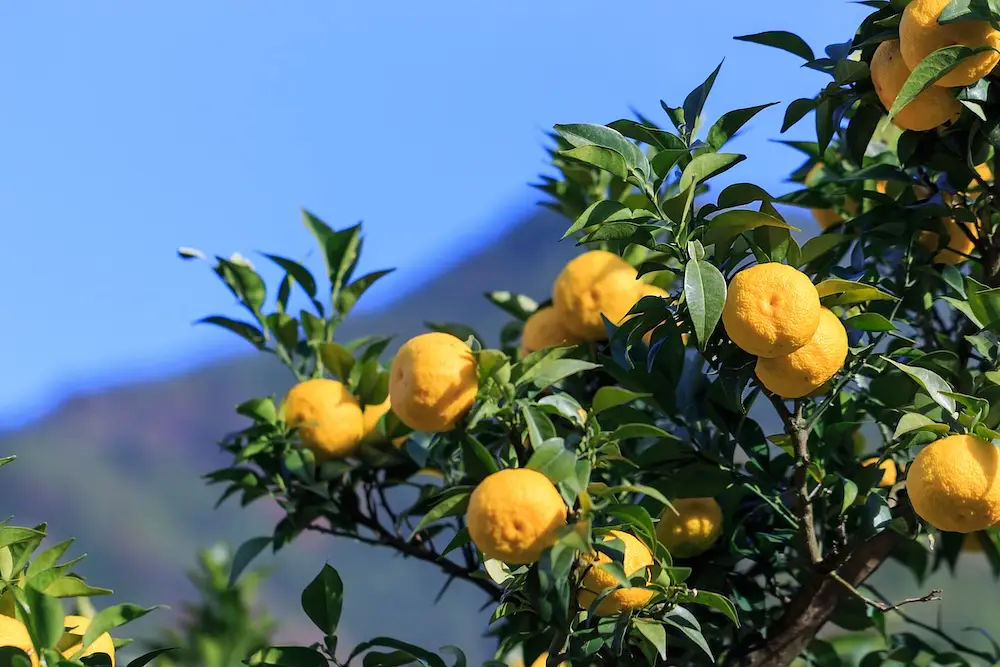
If Japan had a dating app for fruits, lemons would definitely swipe right on yuzu, hoping that some of its charm rubbed off. It would not function. Yuzu is one of those uncommon ingredients that does not need to be overpowering to dominate the conversation. It scents hot springs, changes sauces, inspires sweets, and discreetly reminds every other citrus fruit who is truly in command.
The truth is that Japanese citrus fruits are much more diversified than most visitors realize. Many visitors enter knowing only yuzu and leave confused why they suddenly have strong feelings toward mikan, sudachi, and a fruit with a frightening lump on its head known as dekopon. Japan cultivates dozens of citrus types, each with its own personality, season, and regional pride.
This guide is not about memorizing fruit names as if you were studying for a botanical exam. It's about knowing what to order, what to buy, what not to eat by accident, and how these fruits fit into your itinerary. Whether you're browsing a department store food hall, relaxing in an onsen, or sitting in an izakaya wondering why your grilled salmon tastes so good, citrus is most likely involved.
Everything you need to know at a glance:
Detail |
Information |
Topic Type |
Food, seasonal produce, cultural experience |
Best Moment to Think About This |
Before your trip, while planning seasonal travel, or when shopping at markets and supermarkets in Japan |
Ideal For |
Food lovers, first-time visitors, families, culinary travellers, and anyone interested in Japanese culture |
Risk If You Ignore It |
You could miss tasting seasonal citrus varieties that are only available for a short time or confuse similar-looking fruits when shopping or ordering. |
When people hear the term "Japanese citrus," they typically think of yuzu. That's similar to visiting Italy and assuming the menu only includes pizza. Japan produces dozens of citrus kinds, each suited to a different climate and region. Some are sweet enough to eat fresh, while others are mostly used to flavor food and beverages. Knowing the distinction keeps you from peeling a yuzu like an orange, which your taste buds will recall with surprising resentment. Unlike many other nations, where lemons and oranges dominate shop aisles, Japan treats fruit nearly like wine. Different prefectures proudly produce their own kinds, chefs select specific fruits for specific meals, and citizens eagerly debate whose location grows the best mikan as if national pri
You'll see these fruits everywhere: breakfast buffets, depachika food halls, roadside farm booths, izakaya, cafés, convenience stores, souvenir shops, and even hot spring baths. When you recognize the names, menus become a lot more interesting, and significantly less mystifying.
These are the celebrities of Japanese citrus. They don't usually arrive whole on your plate. They make everything around them taste better instead.
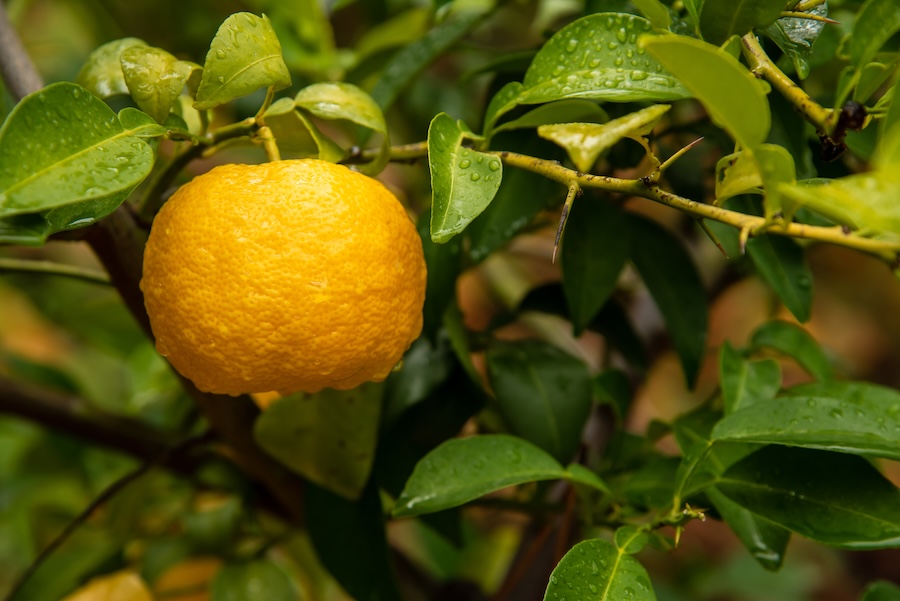
If citrus had a perfume industry, Japanese citrus yuzu would own it. Yuzu is intensely fragrant, tart, and full of seeds, which is why most people don't eat it fresh. Instead, chefs use the zest and juice in ponzu, desserts, cocktails, tea, and the fiery condiment yuzu kosho. During the winter solstice, many onsen also hold yuzu-yu, floating whole fruits in hot baths because apparently smelling wonderful is considered good for both body and soul.
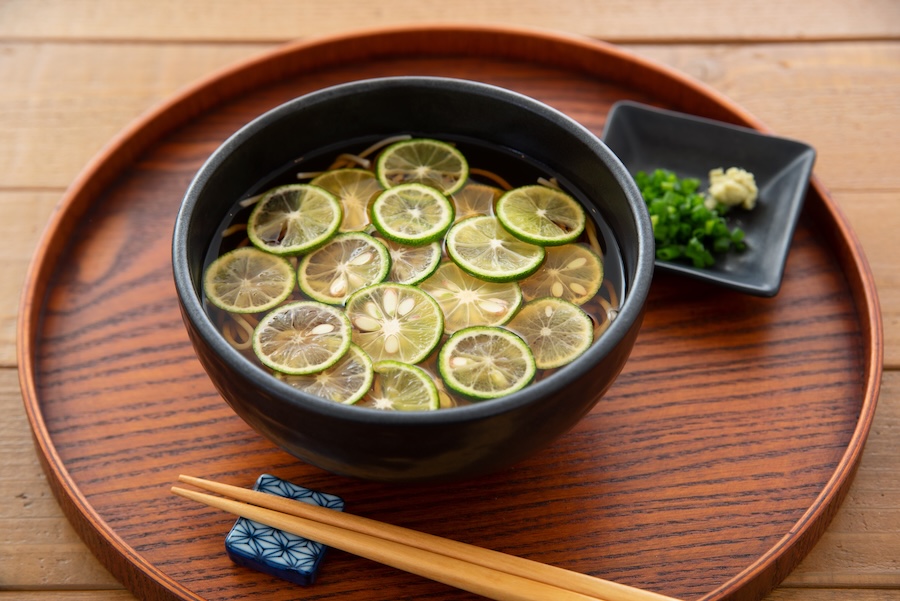
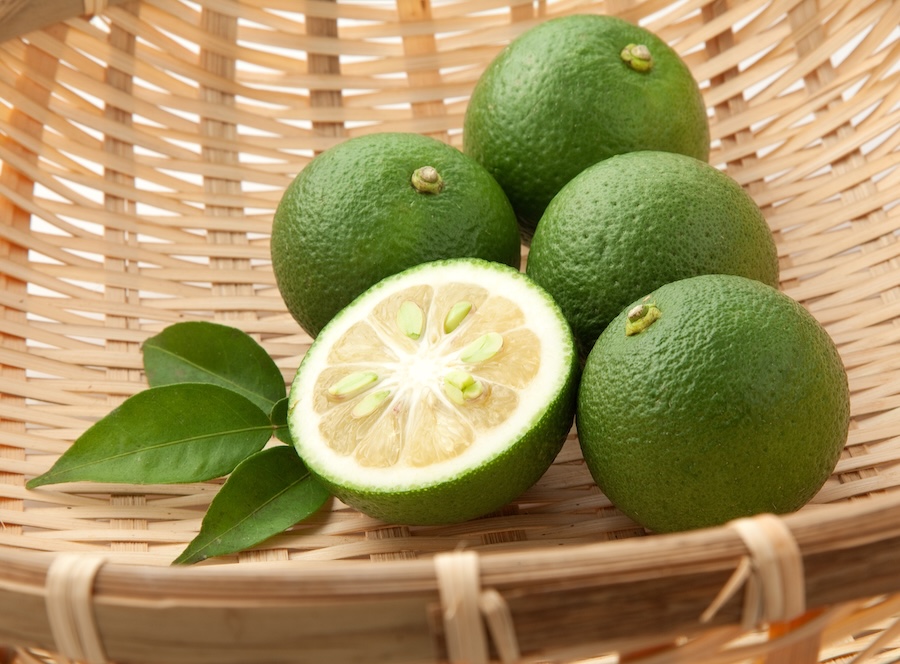
Tiny, green and confidently sour, sudachi is Tokushima Prefecture's pride and joy. It's squeezed over grilled fish, noodles and mushrooms rather than eaten whole. Think of it as the finishing touch that quietly steals the applause.
Often confused with sudachi, kabosu comes mainly from Oita Prefecture. Its flavour is slightly milder, making it popular with seafood, sashimi and hot pots. It's proof that even citrus can understand the value of subtlety.
Daidai is beautiful, bitter, and generally not interested in becoming your afternoon snack. Instead, it's associated with New Year celebrations, decorating kagami mochi and symbolising continuity between generations. Some fruit become juice. Others become cultural icons.

Japanese citrus can appear in unexpected locations. Once you know what to look for, you'll be able to recognize it everywhere and place orders with greater confidence.
Browsing a Depachika Food Hall
Beautiful displays of mikan, dekopon, and other premium citrus are common in department store food halls. Knowing the names helps you choose something you'll actually enjoy instead of buying the most expensive fruit because it looks confident.
Ordering at an Izakaya
Your grilled fish or fried chicken may arrive with a small green citrus on the side. That's usually sudachi or kabosu, and it's there to squeeze over your food, not to admire table décor.
Relaxing in an Onsen Town
Visit during winter and you may find a yuzu-yu bath, where the whole yuzu floats in the hot spring. Don't worry, the fruit isn't part of the menu; it's there for its fresh aroma and traditional seasonal symbolism.
Shopping at Local Markets
Regional markets often sell citrus you've never heard of, from hassaku to shikuwasa. A little knowledge helps you try local specialties instead of automatically reaching for the nearest orange.
Choosing Desserts and Drinks
If you see "yuzu" on a menu, expect a bright, fragrant citrus flavour rather than something sweet like orange. It's one of those rare ingredients that quietly steals the show without trying too hard.
You don't need to be a food critic to appreciate Japan's citrus. You just need a little curiosity and a healthy distrust of anything labelled "just another orange."
First-time visitors who want to understand Japanese menus beyond sushi and ramen.
Food lovers looking for regional flavours and seasonal specialties.
Rail travellers exploring prefectures like Ehime, Wakayama, Tokushima, or Okinawa.
Market and depachika explorers who enjoy discovering local produce.
Couples and solo travellers who like trying foods they can't easily find back home.
Have citrus allergies or dietary restrictions, always check ingredients in sauces, desserts, and drinks.
Travel with children, as yuzu, sudachi, and kabosu can be much sharper than the sweet oranges they may expect.
Visit outside peak season, when some fresh varieties are harder to find and are more commonly sold as juice, preserves, or flavourings.
You're only staying in Tokyo or Osaka, where you'll still encounter Japanese citrus in restaurants and department store food halls.
You've visited Japan before but never paid much attention to regional food. Citrus is one of the easiest ways to taste the personality of different prefectures.
Japan's citrus tale varies according to where and when you visit. It's part of the enjoyment. One prefecture boasts the sweetest mikan, while another believes its yuzu warrants national treasure status.
Tokyo, Osaka, and Kyoto: The easiest places to sample many varieties are in depachika food halls, specialty shops, and high-end restaurants.
Ehime and Wakayama: Japan's famous citrus regions, ideal for orchards, farm shops, and winter fruit.
Tokushima: The home of sudachi, where you'll find it squeezed over everything from grilled fish to noodles.
Oita: Famous for kabosu, particularly in local seafood dishes.
Okinawa: The best place to discover shikuwasa in juices, sweets, and refreshing summer drinks.
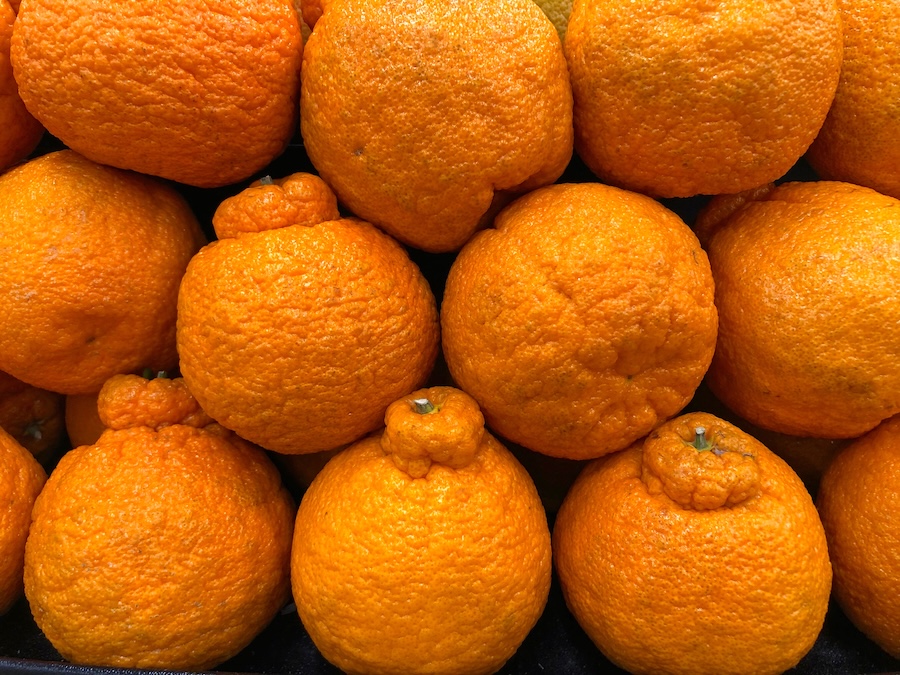
Winter is citrus season in Japan. Mikan, dekopon (pictured below), hassaku, and iyokan are in abundance in the markets, and many onsen commemorate the winter solstice with fragrant yuzu pools. If you go slowly between locations, you will see considerably more variation than someone who spends one weekend in Tokyo. Sometimes the finest keepsake isn't something you bring, but something you taste.
Finding great Japanese citrus doesn't require military planning. It simply rewards travellers who know where to look.
Learn the difference between yuzu, mikan, and sudachi.
If you're travelling between regions, compare a JR Pass with regional rail passes.
Save a few food markets and depachika halls on your map.
Arrange Pocket Wi-Fi or a SIM card so you can translate fruit labels and menus.
First-time visitors may appreciate a Meet & Greet service before diving into Japan's wonderful food culture.
Your Japanese Citrus Checklist
Download a translation app.
Bring a reusable shopping bag for market purchases.
Save a few Japanese fruit names on your phone.
Leave space in your suitcase, you'll probably want citrus-flavoured snacks, tea, or yuzu products before you leave.
Do try regional citrus whenever you see it.
Do visit depachika food halls for premium fruit.
Do ask staff for recommendations if you're unsure what to buy.
Do taste fresh mikan during winter.
Do try yuzu in both savoury dishes and desserts.
Don't peel a yuzu expecting a sweet orange.
Don't assume every green citrus is a lime.
Don't skip supermarket fruit sections, they're surprisingly impressive.
Don't overlook local farm stands when travelling by rail.
Don't judge a dekopon by its unusual appearance. Good hair has never been a requirement for great fruit.
Did you buy the wrong citrus? Congratulations, you've unwittingly gotten adventurous. If you're not sure how to consume or use a particular fruit, ask the shopkeeper or restaurant. They are usually willing to explain, and translation tools make the interaction much easier. At worst, you've found a new flavor. There are much more expensive travel blunders.
10-Day Couple's Trip: Explore Tokyo's food halls, then travel to Ehime or Wakayama to experience Japan's citrus country using a JR Pass or regional pass.
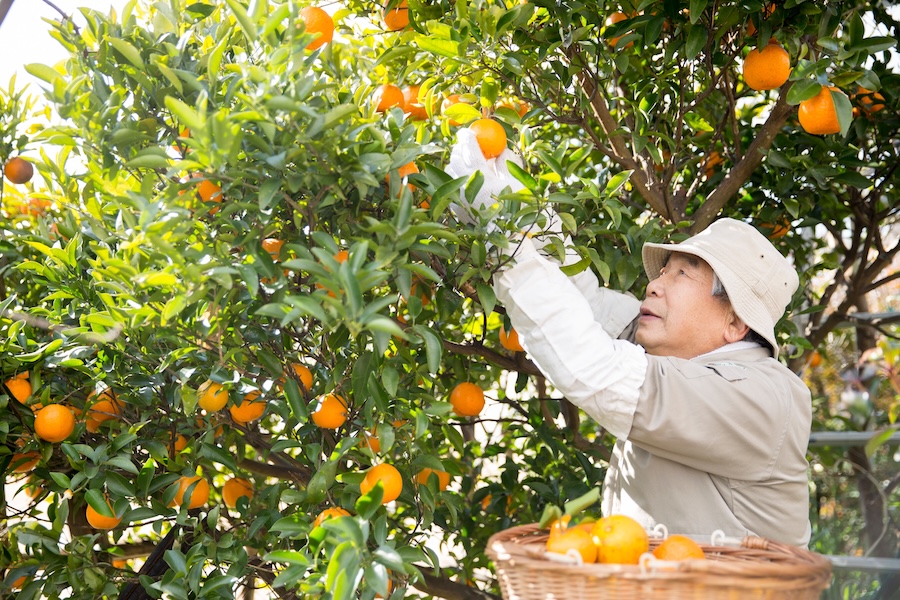
Family Exploring Multiple Cities: Pick up fresh mikan for train journeys and stop at local markets whenever you're travelling through regional Japan.
Solo Traveller or Food Enthusiast: Use citrus as an excuse to leave the tourist trail. Some of Japan's best flavours are found in prefectures famous for farming rather than skyscrapers.
First-Time Visitor: Book accommodation near food markets, arrange Pocket Wi-Fi, and keep an eye out for seasonal menus, you'll discover far more than sushi and ramen.
Q: What is the most famous Japanese citrus fruit?
A: Yuzu is Japan's best-known citrus, prized for its fragrant zest and juice rather than being eaten fresh.
Q: Can you eat yuzu like an orange?
A: Technically yes, but most people don't. It's very tart and full of seeds, making it better suited to cooking, desserts, and drinks.
Q: What's the difference between yuzu and pomelo?
A: Yuzu is small, intensely aromatic, and mainly used as a flavouring. Pomelo is much larger, sweeter, and eaten fresh.
Q: When is mikan season in Japan?
A: Mikan is usually at its best from late autumn through winter, when you'll find it almost everywhere.
Q: Which Japanese prefecture is famous for citrus?
A: Wakayama and Ehime are Japan's best-known citrus-producing prefectures, while Tokushima, Oita, and Okinawa are famous for distinctive regional varieties.
Q: Where can tourists buy Japanese citrus?
A: Department store food halls, supermarkets, local markets, farm stands, and roadside stations are all excellent places to shop.
Q: Is dekopon worth buying?
A: Absolutely. It's one of Japan's sweetest premium citrus fruits and is loved for its juicy, seedless flesh.
Q: What does sudachi taste like?
A: Sudachi is bright, sharp, and refreshing. It's usually squeezed over grilled fish or noodles rather than eaten whole.
Q: What is yuzu kosho?
A: It's a spicy Japanese condiment made from yuzu zest, chilli peppers, and salt, commonly served with grilled meat, noodles, and hot pots.
Q: Do I need to visit citrus regions to enjoy Japanese citrus?
A: Not at all. You'll find citrus flavours throughout Japan, but visiting regions like Ehime or Wakayama offers a deeper appreciation of how important these fruits are to local culture.
Why should I book with JapanDen?
How do I book a hotel or ryokan through JapanDen?
What types of accommodations do you offer in Japan?
How can JapanDen help with planning my trip?
As well as booking accommodation, JapanDen is a place to learn more about Japan and how you can make the most of your time in this special country. From in-depth region guides to stories from Japan, we’ll be regularly publishing carefully curated insights from Japanese culture, with recommendations for the best activities and attractions and the latest news. Looking forward, we’ll also be adding special community features so you can share ideas and inspiration with like-minded people. Please come back and visit us regularly as we continue to add new content. We want JapanDen to be your home away from home too.
Do you offer guided tours in Japan, and how can I book one?
As part of the JRPass.com group, we offer a dedicated Meet and Greet service with expert personal assistance on your arrival in Japan booked via JRPass.com, alongside nationwide and regional rail passes for travel. As JapanDen grows, we will be offering more services and activities to provide a complete Japan travel experience.
Can I purchase Japan Rail Passes through your website?
JapanDen is part of the JRPass.com group, book your passes and tickets directly on JRPass.com