Japan in February

Winter charm, snow, and quiet adventures
Japan in February offers snowy scenery, quiet city walks, winter festivals, and early signs of spring in the south. Travellers looking for where to go in Japan in winter often find February offers a good balance of weather, crowds, and seasonal experiences.
From ski resorts and hot springs to temples and food-focused cities, February appeals to winter sports fans, couples, families, and travellers seeking lighter crowds.
At a glance |
What it means |
Travel season |
Deep winter; snow in northern and mountain regions, dry and cold conditions in major cities |
When to plan |
During early trip planning and again when packing |
Best suited for |
Snow lovers, onsen travellers, photographers, couples, and fewer-crowd seekers |
Why planning matters |
Risk of underpacking for cold weather, higher prices in ski areas, and missed off-season savings elsewhere |
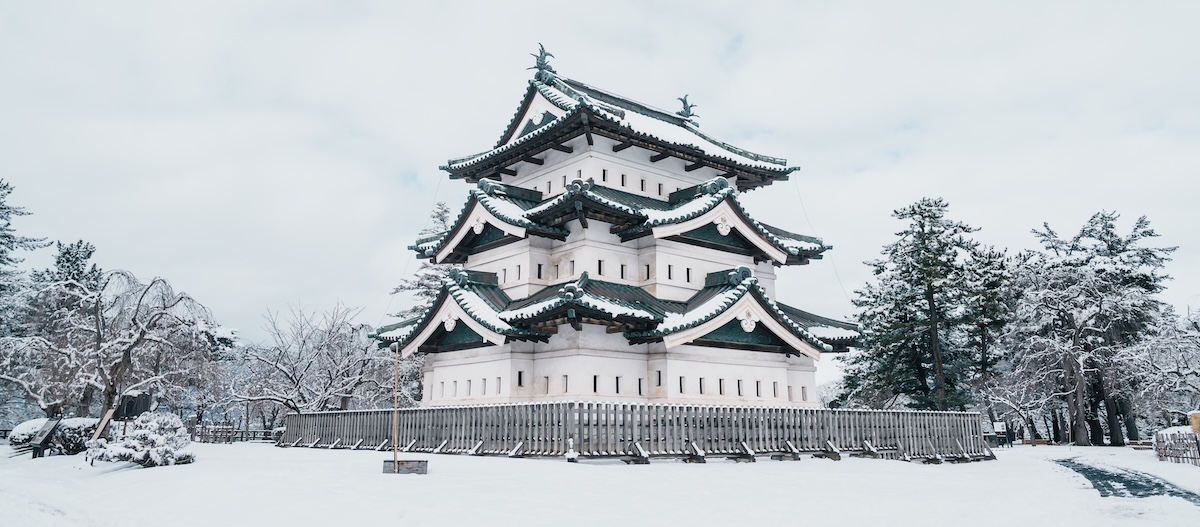
Traveling in Japan in February means dealing with winter conditions that vary by region. Northern and mountainous areas see regular snowfall, while cities like Tokyo and Osaka are cold but usually dry. Understanding these differences helps travellers plan realistically.
Winter weather can affect train schedules in snowy regions, walking conditions near attractions, and what to pack. Knowing how February conditions shape transport, accommodation, and sightseeing makes travel smoother and far less stressful.
Hotels and ryokan are heated, but packing warm sleepwear and layers helps with cooler nights.
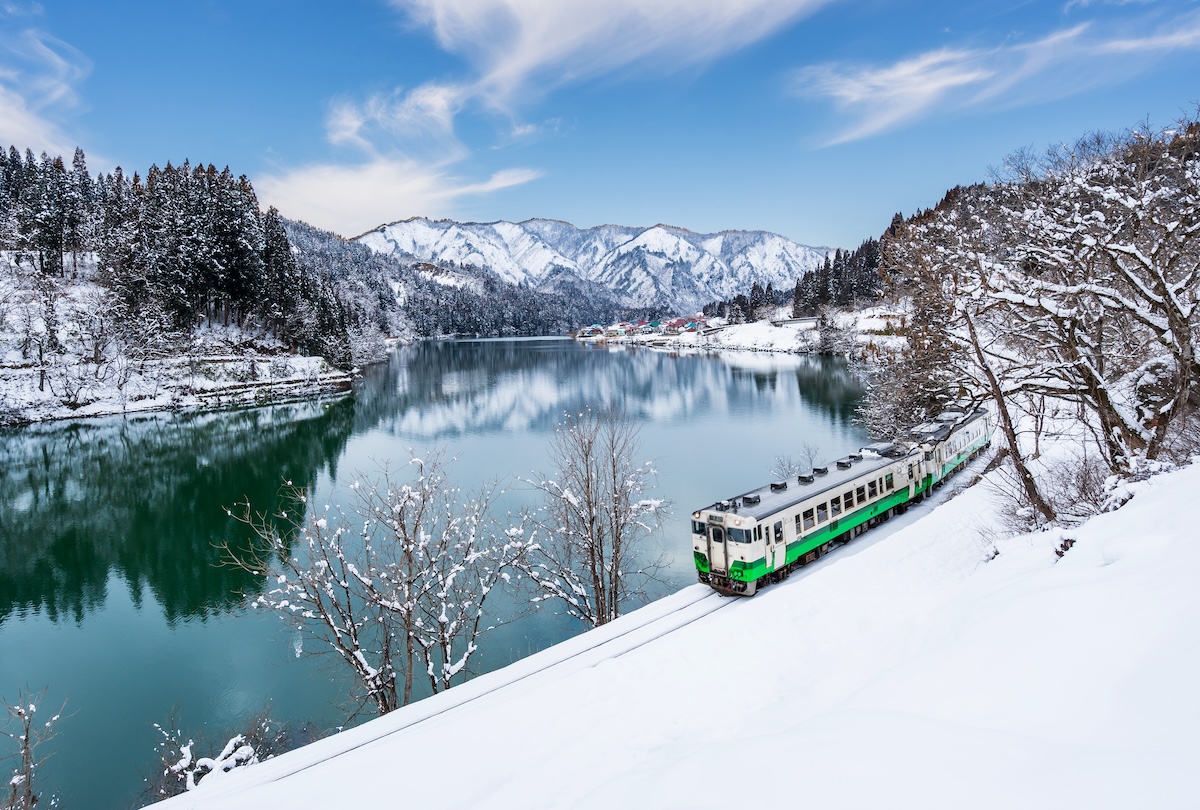
Trains run reliably, though snow in some regions can cause minor delays, so extra time is helpful.
Icy paths and cold air are common outdoors, making sturdy footwear and warm clothing important.
Restaurants operate as usual, with seasonal winter dishes often featured on menus.
Snow and station stairs make heavy bags harder to manage, so lighter packing reduces strain.
This guidance is most useful for first-time visitors, travellers visiting multiple regions, families, and anyone planning outdoor sightseeing during winter.
Have mobility issues: Snow, ice, and long station corridors may require accessible routes and accommodations.
Travel with small children: Cold temperatures and shorter daylight hours can affect outdoor plans and energy levels.
Have health conditions: Winter weather may increase fatigue, making warm clothing and rest breaks important.
Are on a very tight budget: Off-season savings are common, but winter clothing and transport flexibility should be factored in.
Repeat visitors or travellers staying in a single city may feel fewer winter-related challenges, but understanding seasonal conditions can still improve comfort and planning.
Big cities (Tokyo, Osaka, Kyoto): Winter travel is straightforward, with reliable transport, cleared walkways, and easy access to heated indoor spaces.
Smaller towns and rural areas: Snow, ice, and shorter daylight hours are more common, making flexible schedules and proper footwear more important.
Tourist hotspots vs quieter neighbourhoods: Popular areas remain well prepared for winter visitors, while quieter districts may have fewer open services and less English support.
Decide between city travel and snowy regions, as this affects transport plans.
Book accommodation early in ski and onsen areas with limited winter availability.
Allow extra time for regional trains in snowy areas and check service updates.
Download maps, transport, and weather apps before departure.
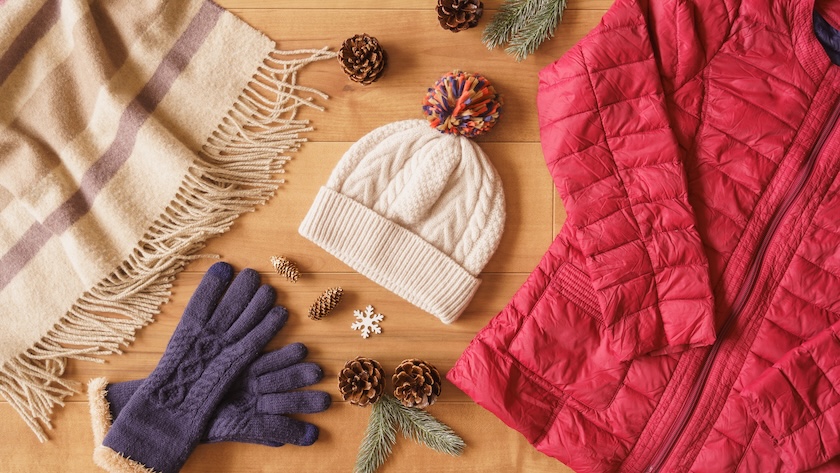
Pack thermal layers, a warm coat, gloves, a hat, and shoes with good grip.
Bring lip balm, moisturizer, hand cream, and a compact umbrella for winter conditions.
Carry a power bank and save offline copies of tickets, reservations, and key details.
Download transport, translation, and weather apps before arrival.
Learn basic Japanese phrases and carry some cash for smaller towns and local transport.
Dress in layers so you can adjust easily when moving between heated interiors and cold outdoor areas.
Wear shoes with good traction, especially in snowy cities or rural areas.
Allow extra travel time for trains in snowy regions, particularly early mornings.
Keep your voice low on trains and buses, especially during commuter hours.
Check local weather forecasts daily when travelling between regions.
Don’t underestimate the cold wind in open areas, even on sunny winter days.
Don’t wear smooth-soled shoes in areas with snow or ice.
Don’t assume all regional transport runs on perfectly normal schedules during heavy snowfall.
Don’t block station walkways while adjusting clothing or luggage.
Don’t rely entirely on card payments in small towns or rural areas.
Apologise briefly and politely if you inconvenience others.
Ask station staff or hotel staff for guidance if the weather or transport changes.
Use station signage, weather apps, and transport alerts to adjust plans calmly.
Couple on a 10-day city trip: Plan warm but lightweight layers, stay near major stations by booking hotels through JapanDen, and use a JR Pass to minimise time outdoors between cities.
Family visiting multiple cities: Pack easy-to-layer clothing for children, allow extra time in snowy regions, and use Meet & Greet airport services to simplify arrivals and onward transfers.
Solo traveller or budget backpacker: Pack efficiently, choose cost-effective Regional Passes based on your route, and carry Pocket Wi-Fi to manage navigation, weather updates, and transport changes on the go.
Do I need a ticket for the February events?
Some winter festivals require paid entry, while others are free. It is best to check each event’s official website before visiting.
Is Japan in February kid-friendly?
Japan is very kid-friendly in February, with safe cities and ski resorts offering beginner zones and family activities.
Is there shelter from rain or snow?
Most cities have underground malls, covered walkways, and wide station areas that offer protection during winter weather.
Are English signs available?
Major attractions and large festivals usually include English signs, although rural regions may be more limited.
Where can I go during winter in Japan for warmer weather?
Travellers who want mild temperatures should visit Kyushu or Okinawa. These regions are great options without experiencing intense cold.
Where is the best place to go in Japan for winter scenery?
Hokkaido, Shirakawa-go, and the Japanese Alps offer iconic winter views.
How cold does Japan get in February?
Temperatures range from below freezing in northern and mountain regions to cool but comfortable conditions in major cities like Tokyo and Kyoto.
Why should I book with JapanDen?
How do I book a hotel or ryokan through JapanDen?
What types of accommodations do you offer in Japan?
How can JapanDen help with planning my trip?
As well as booking accommodation, JapanDen is a place to learn more about Japan and how you can make the most of your time in this special country. From in-depth region guides to stories from Japan, we’ll be regularly publishing carefully curated insights from Japanese culture, with recommendations for the best activities and attractions and the latest news. Looking forward, we’ll also be adding special community features so you can share ideas and inspiration with like-minded people. Please come back and visit us regularly as we continue to add new content. We want JapanDen to be your home away from home too.
Do you offer guided tours in Japan, and how can I book one?
As part of the JRPass.com group, we offer a dedicated Meet and Greet service with expert personal assistance on your arrival in Japan booked via JRPass.com, alongside nationwide and regional rail passes for travel. As JapanDen grows, we will be offering more services and activities to provide a complete Japan travel experience.
Can I purchase Japan Rail Passes through your website?
JapanDen is part of the JRPass.com group, book your passes and tickets directly on JRPass.com
.jpg)