Is Kabuki Still Popular in Japan? Yes, And Here's How To See It
Drama never dies
For many years, tourists viewed Kabuki as culturally significant, somewhat daunting, and perhaps lengthy, much like they might opera invitations from distant relatives. Here's the surprise, though - the overwhelming answer to the question, "Is Kabuki theater still popular in Japan?" is unquestionably yes.
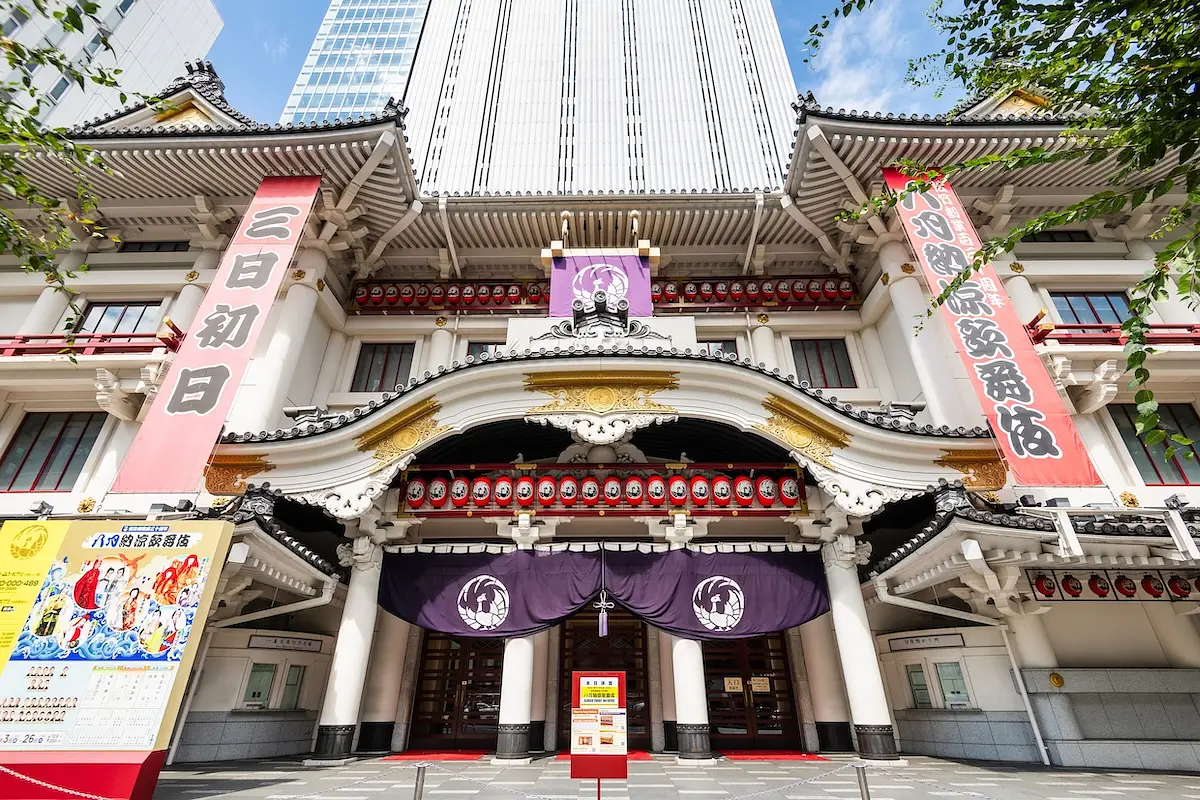
In Japan, Kabuki theater is not only still alive but flourishing. Major actors are celebrities, and younger audiences are attending anime collaborations featuring everything from One Piece to Naruto at Tokyo's renowned Kabukiza Theatre Ginza, which hosts performances nearly every day. It turns out that drama, family disputes, and amazing clothing from four centuries ago never truly go out of style.

Before we raise the curtain, here's the quick version.
Key Details |
|
Topic Type |
Cultural experience |
Best Time To Plan |
Before booking Tokyo activities |
Ideal For |
First-time visitors, culture lovers, solo travellers |
Best Location |
Kabukiza Theatre, Ginza |
Risk If You Ignore It |
Missing one of Japan's greatest cultural experiences |
Kabuki originated around 400 years ago. And, unlike most items from 1600, it continues to sell. At its core, Japanese Kabuki theater mixes storytelling, dance, music, and acting into a single stunning performance. There are all-male casts, and expert performers known as onnagata devote their entire careers to perfecting female parts. There are dramatic frozen stances known as mie. The renowned Hanamichi runway cuts through the audience, indicating that typical stage entrances were simply not spectacular enough. And then there are the actors' families. Some Kabuki families have passed down roles across generations, resembling a cross between theatre monarchy and reality television dynasties. If you already enjoy Japanese tea houses, gardens, and traditional arts, Kabuki will fit right in.

Yes. Also, not precisely. Kabuki's core audience is older, similar to opera or classical ballet audiences worldwide. However, Japan has excelled at introducing Kabuki to younger generations through cinema broadcasts, new plays, and animation collaborations. Suddenly, samurai stories incorporating One Piece characters do not seem so impossible. Famous performers from lineages such as the Danjuro family continue to appear often in television, advertising, and mainstream media. Kabuki never vanished. It merely upgraded its clothing.
This is where things become exciting.
This is the grand dame of Kabuki in Japan. What is the good news? If you're nervous, don't commit to a four-hour performance. Single-act tickets, or hitomaku-mi, let people to see one piece of a bigger show for approximately one hour. Think of it as cultural speed dating. There is enough time to fall in love without signing a lease together. English audio guides are also available, which make a significant difference for first-time visitors.
The National Theatre has traditionally staged several shows, but guests should check the current venue condition before traveling owing to redevelopment and interim arrangements.
Another excellent alternative is Kyoto's famous Minamiza Theatre, which is especially appealing to visitors who have already explored Kansai. Kyoto understands spectacular entrances.
The costumes are extraordinary.
The makeup deserves its own museum.
The audience is far quieter than at Western theatre performances.
Someone may shout an actor's stage name during dramatic moments. This is called kakegoe and it's encouraged.
You'll understand more than you expect, even without speaking Japanese.
Human emotions turn out to be surprisingly multilingual.
Especially useful for:
First-time visitors to Japan.
Theatre lovers.
Solo travellers.
Culture enthusiasts.
People who want Tokyo experiences beyond sushi and shopping.
Worth considering if you:
Prefer shorter experiences and choose single-act tickets.
Travel with older children interested in Japanese history.
Want indoor activities during rainy days.

Tokyo's Kabukiza offers the easiest experience for tourists, with English support and excellent transport links.
Kyoto's Minamiza feels more traditional and intimate.
Smaller regional theatres can offer wonderful experiences, although English assistance may be more limited.
Kabuki works beautifully during rainy days, winter evenings and slower travel itineraries.
For fast-paced city breaks, single-act tickets are your best friend.
Before you travel:
Check performance schedules.
Reserve tickets if attending a full programme.
Consider accommodation near Ginza or Higashi-Ginza Station.
Arrange Pocket Wi-Fi or a SIM card for easy navigation.
Bring:
Comfortable clothes.
Curiosity.
An open mind.
Black tie is entirely optional.
Rent the English audio guide.
Arrive early.
Watch for the hanamichi entrance.
Try single-act tickets if you're unsure.
Explore Ginza afterwards.
Worry about understanding every detail.
Take photographs during performances.
Panic if someone shouts an actor's name.
Assume Kabuki requires formal clothing.
Confused by the plot? Congratulations. So was half the audience during Shakespeare. Follow the emotions and enjoy the spectacle. Kabuki is experienced as much as it is understood.
Couples: Pair Kabuki with dinner in Ginza for one of Tokyo's most elegant evenings.
Families: Older children often enjoy the costumes and dramatic staging far more than expected.
Solo Travellers: Single-act tickets make Kabuki one of Tokyo's easiest cultural experiences to try alone.
Multi-City Travellers: Combine Tokyo's Kabukiza with Kyoto's Minamiza using your JR Pass or Regional Pass.
Before arriving, arrange your accommodation, Pocket Wi-Fi, SIM card and Meet & Greet service for a smoother start to your trip.
Q. Is Kabuki theater still popular in Japan?
A. Yes. Kabuki remains commercially successful and culturally important across Japan.
Q. What is Kabuki?
A. Kabuki is a traditional Japanese theatre form combining acting, dance and music.
Q. Can tourists enjoy Kabuki without speaking Japanese?
A. Absolutely. English audio guides make performances surprisingly accessible.
Q. Where is the best place to see Kabuki in Tokyo?
A. Kabukiza Theatre Ginza remains the most famous venue.
Q. Can I buy single-act Kabuki tickets?
A. Yes. Kabukiza offers single-act tickets for selected performances.
Q. How long is a Kabuki performance?
A. Full programmes can last several hours, while single acts usually run around one hour.
Q. Do I need to dress formally?
A. No. Smart casual clothing is perfectly acceptable.
Q. Can I take photos during Kabuki performances?
A. Generally no, unless specifically announced otherwise.
Q. Who are the most famous Kabuki actors?
A. The Danjuro and Ebizo lineages remain among the most famous Kabuki families in Japan.
Q. Is Kabuki recognised by UNESCO?
A. Yes. Kabuki is listed as UNESCO Intangible Cultural Heritage.
Why should I book with JapanDen?
How do I book a hotel or ryokan through JapanDen?
What types of accommodations do you offer in Japan?
How can JapanDen help with planning my trip?
As well as booking accommodation, JapanDen is a place to learn more about Japan and how you can make the most of your time in this special country. From in-depth region guides to stories from Japan, we’ll be regularly publishing carefully curated insights from Japanese culture, with recommendations for the best activities and attractions and the latest news. Looking forward, we’ll also be adding special community features so you can share ideas and inspiration with like-minded people. Please come back and visit us regularly as we continue to add new content. We want JapanDen to be your home away from home too.
Do you offer guided tours in Japan, and how can I book one?
As part of the JRPass.com group, we offer a dedicated Meet and Greet service with expert personal assistance on your arrival in Japan booked via JRPass.com, alongside nationwide and regional rail passes for travel. As JapanDen grows, we will be offering more services and activities to provide a complete Japan travel experience.
Can I purchase Japan Rail Passes through your website?
JapanDen is part of the JRPass.com group, book your passes and tickets directly on JRPass.com