How to Travel to Japan as a Senior (or With Senior Family Members)

Japan is one of the best destinations in the world for senior travelers thanks to its safety, cleanliness, reliable public transport, and excellent hospitality. Whether you’re retired and ready to explore or travelling with older family members, Japan travel for seniors can be comfortable, rewarding, and surprisingly easy to navigate.
Modern infrastructure, polite service, and a strong sense of public order make it possible to enjoy both major cities and peaceful countryside towns at your own pace. From quiet gardens and traditional ryokans to efficient trains, accessible museums, and scenic hot spring towns, Japan offers a huge range of experiences suited to slower, more relaxed travel.
This guide explains how to plan a senior-friendly trip to Japan, including the best seasons to visit, accessible destinations, transport tips, daily conveniences, and practical health and safety advice. You’ll also find recommendations for senior-friendly attractions, accommodation areas, and comfortable ways to travel around the country.
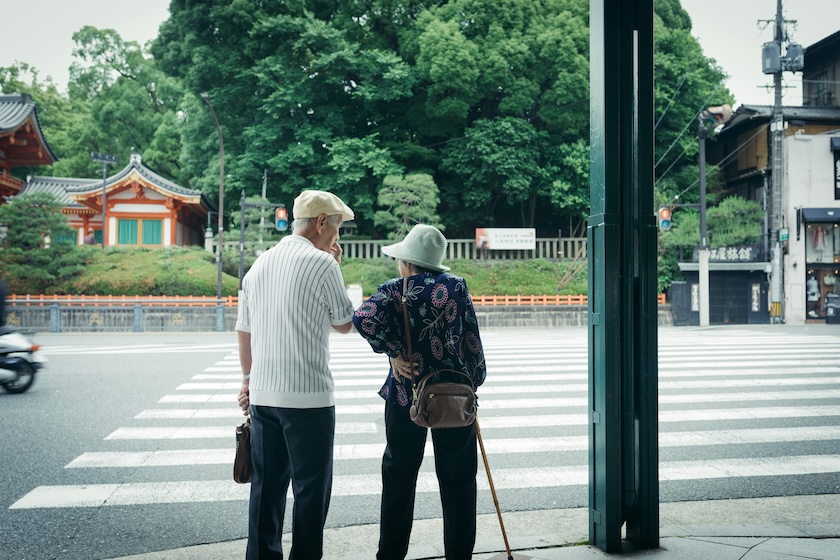
Japan is especially appealing for older visitors because it combines comfort, safety, and cultural richness with excellent transport and public facilities.
Safe and welcoming: Japan consistently ranks among the world’s safest destinations, with low crime rates and courteous locals who are often willing to help visitors.
Clean, well-organized spaces: Streets, public transport, restrooms, and public areas are exceptionally clean and well maintained.
Reliable transportation: Trains and buses are punctual, clearly signposted, and increasingly accessible, with elevators and escalators available at many major stations.
Flexible travel pace: Whether you prefer slow cultural sightseeing, relaxing hot spring stays, or more active exploration, Japan’s cities and towns can accommodate different travel styles and energy levels.
Exceptional healthcare and assistance: Pharmacies, clinics, and hospitals in major cities often have multilingual support or English-speaking staff available for visitors.
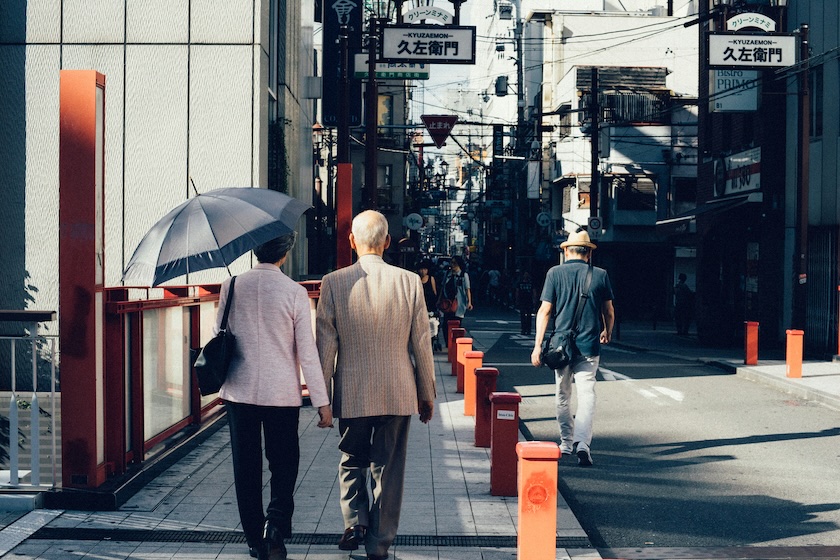
This guide is designed for older travellers and families who want to experience Japan comfortably, safely, and at a sensible pace.
This guide is written for:
Independent senior travellers exploring Japan solo or in small groups
Retired couples looking for a relaxed and culturally rich getaway
Adult children travelling with parents or grandparents
First-time visitors to Japan prioritising comfort, safety, and flexibility
Japan welcomes travellers of all ages and has a great deal to offer older visitors.
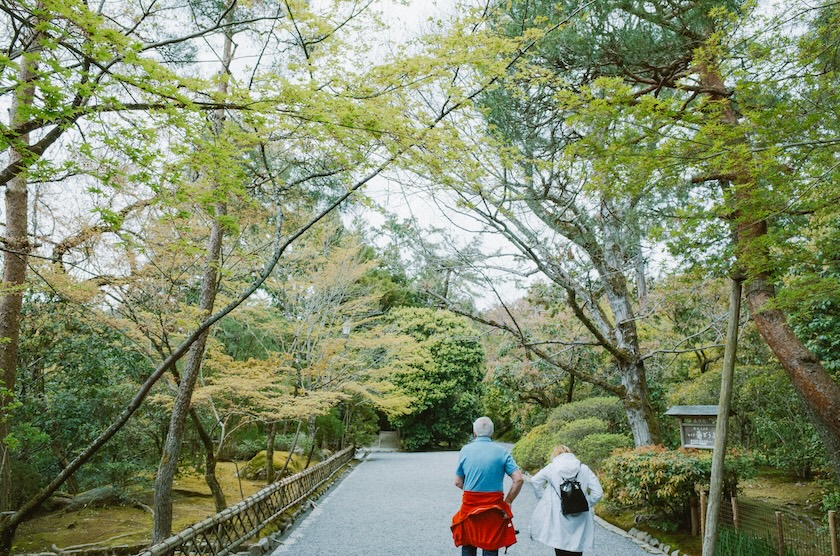
A senior-friendly trip to Japan starts with choosing the right season, giving yourself enough time, and building an itinerary that allows for rest as well as sightseeing.
Spring (March–May) and autumn (October–November) are generally the best times for seniors to visit Japan thanks to their mild temperatures and beautiful scenery. Spring brings cherry blossoms and comfortable sightseeing weather, while autumn offers crisp air and colourful maple leaves.
Summer (June–August) can be hot and humid, especially in cities such as Tokyo and Kyoto, while winter (December–February) brings snowy landscapes and excellent hot spring experiences, although northern areas can become icy.
When planning Japan travel for seniors, it’s usually better to prioritise fewer destinations with more time in each location rather than trying to move around too quickly. Japan’s transport system is excellent, but frequent hotel changes and busy station transfers can become tiring over time.
A slower itinerary with built-in rest days often leads to a far more enjoyable experience.
This sample itinerary keeps the pace gentle while still offering a good mix of culture, scenery, and easy transport.
Visit Meiji Shrine using its flat, shaded walking paths, then explore Ginza for cafés, department stores, and accessible dining. End the day with early evening views from Tokyo Tower or Shibuya Sky, both of which offer elevator access and seating areas.
Spend the morning in Asakusa, taking the easy route to Sensō-ji Temple and browsing Nakamise Street at your own pace. After lunch, visit the Tokyo National Museum in Ueno, which offers elevators, seating areas, and quieter gallery spaces.
Take the train to Hakone for a slower-paced day surrounded by nature. Enjoy the Hakone Ropeway and Lake Ashi cruise, both of which are relatively senior-friendly with minimal walking required. Visit the Hakone Open-Air Museum, known for its accessible pathways and plentiful benches, before returning to Tokyo.
Packing thoughtfully can make day-to-day travel in Japan much easier, especially when walking, using trains, or moving between cities.
Comfortable, non-slip shoes for light walking and uneven paths
Layered clothing, as temperatures can vary between regions and seasons
Medication and a small first aid kit
A reusable water bottle, as tap water is safe to drink throughout Japan
A lightweight day bag for essentials and souvenirs
As we said, Japan has many destinations that work well for older travellers, from big cities with excellent infrastructure to quieter cultural towns and hot spring areas. When planning Japan travel for elderly visitors, prioritise destinations with strong transport links, comfortable accommodation options, and accessible attractions.
Tokyo: Tokyo offers smooth transport connections, accessible attractions, excellent healthcare access, and plenty of green spaces for breaks and slower sightseeing.
Kyoto: Kyoto combines historic temples, traditional districts, quieter streets, and cultural experiences with relatively compact sightseeing areas.
Hakone or Beppu: These popular hot spring towns offer scenic landscapes, relaxing onsen experiences, and slower-paced travel without requiring extensive walking.
Kanazawa: Kanazawa is compact, cultural, and easier to navigate than many larger cities, making it ideal for relaxed sightseeing.
We picked the two most popular destinations to provide more details:
Tokyo offers wide sidewalks, reliable station elevators, excellent transport connections, and plenty of places to sit and rest throughout the city.
What to do:
Visit Ueno Park for museums, seasonal flowers, and cherry blossoms
Explore Asakusa and Sensō-ji Temple for easy cultural walks
Enjoy panoramic city views from Tokyo Skytree via elevator access
Take a gentle Sumida River cruise for sightseeing without walking fatigue
Relax in Shinjuku Gyoen National Garden, known for its smooth paths and benches
Where to stay:
Hotels near Tokyo Station or Ueno are especially convenient thanks to their transport connections and barrier-free facilities.
Kyoto offers calmer surroundings, traditional architecture, tea houses, and cultural landmarks suited to slower exploration.
What to do:
Walk through Arashiyama Bamboo Grove early in the morning before crowds arrive
Visit Kiyomizu-dera and Kinkaku-ji, both of which have taxi access near the entrances
Ride the Sagano Scenic Railway for mountain and river views without strenuous walking
Explore Nishiki Market at a relaxed pace with regular food and seating stops
Visit Kyoto Imperial Palace Park for wide, flat pathways and quiet garden areas
Where to stay:
Look for accommodation near Kyoto Station or Gion with elevators and Western-style rooms. Explore accessible stays in Kyoto on JapanDen.
Japan’s transport system is excellent, but comfort comes down to planning your routes, avoiding the busiest times, and knowing when to use trains, taxis, or short transfers.
Japan’s trains are comfortable, efficient, and one of the easiest ways for seniors to travel around the country.
Reserve seats in advance for extra comfort and peace of mind
Use elevators and accessible station exits where available
Avoid rush hour periods between 7–9am and 5–7pm when trains become crowded
Consider a JR Pass or Regional Pass for easier multi-city travel
For easy multi-city travel, consider the JR Pass or Regional Pass — both simplify transit and reduce the need for ticket machines.
Some temples, shrines, gardens, and parks involve uphill paths, gravel areas, or uneven stone walkways. Using taxis or short bus rides can help reduce fatigue and conserve energy during longer sightseeing days.
Taxis in Japan are clean, safe, and easy to use. Drivers do not expect tips, and taxi-hailing apps such as GO and DiDi make booking simple in many cities.
For smoother airport arrivals after long international flights, a Meet & Greet Service can also be useful..
Daily comfort in Japan is helped by clean facilities, reliable services, and practical conveniences that make travel easier for older visitors.
Benches and seating areas are commonly found in parks, shopping centres, museums, and major train stations. Department stores often have quiet rest lounges and cafés on upper floors.
Set meals (teishoku) and bento boxes make ordering straightforward, while plastic food displays outside restaurants help overcome language barriers.
Traditional washoku set meals can also be a balanced and comfortable dining option for many travellers.
Staying connected can make travel significantly easier for maps, translations, train schedules, and communication. Use a Pocket Wi-Fi or an eSIM to stay connected throughout your trip.
Travelling with an older parent or grandparent can be deeply rewarding, especially when the trip is planned around comfort, patience, and flexibility.
If you’re travelling with a parent or grandparent, the key is balancing meaningful sightseeing with enough rest and flexibility.
Plan slow mornings and mid-day breaks.
Choose attractions with nearby rest stops (museums, parks, gardens).
Communicate mobility needs politely: “Erebētā wa arimasu ka?” means “Is there an elevator?”
Schedule downtime intentionally: One cafe stop per half-day keeps everyone comfortable.
Most importantly, travel with patience — flexibility makes the experience enjoyable for both travelers and companions.
Most importantly, travel with patience. A flexible pace usually creates a much more enjoyable experience for everyone involved.
A little preparation goes a long way in Japan, especially when it comes to medical support, jet lag, weather, and mobility.
Japan offers reliable medical support for visitors. Major hospitals in Tokyo, Osaka, and Kyoto often have English-speaking staff available, while the Japan National Tourism Organization (JNTO) provides online medical assistance resources and multilingual support information.
Adjusting sleep schedules one or two days before departure can help reduce jet lag. On arrival, try to keep the first day relatively light and prioritise rest in the evening.
Summer heat and humidity can make long walks tiring, while spring and autumn crowds may slow movement around major attractions. Winter conditions can also create slippery surfaces in northern regions and mountainous areas.
Choosing stations, routes, and attractions with elevators, ramps, seating areas, and regular rest opportunities can make sightseeing far more comfortable throughout the year.
Traveling to Japan as a senior, or alongside older family members, can be an incredibly safe, comfortable, and rewarding experience. The country’s excellent infrastructure, respect for visitors, reliable transport, and variety of cultural experiences make it one of the world’s most senior-friendly destinations.
Whether you’re enjoying peaceful gardens in Kyoto, relaxing in a countryside onsen town, or exploring Tokyo at your own pace, Japan makes slow and meaningful travel feel natural.
With thoughtful planning, comfortable pacing, and accessibility in mind, your trip to Japan can be smooth, memorable, and deeply fulfilling.
Q: Do I need travel insurance for Japan?
A: It is highly recommended. Comprehensive travel insurance can help cover medical care, trip disruptions, and unexpected emergencies.
Q: Is Japan walkable for older travelers?
A: Yes. Many major attractions, parks, shopping areas, and train stations include ramps, elevators, and seating areas. Make sure you check each attraction accessibility before you go.
Q: Can seniors use public transport easily?
A: Absolutely. Japan’s trains and buses are clean, punctual, and equipped with priority seating and accessibility features.
Q: What’s the best city in Japan for seniors?
A: Kyoto and Kanazawa are excellent for relaxed cultural sightseeing, while Tokyo is ideal for first-time visitors thanks to its transport convenience and accessibility.
Q: Do restaurants cater to dietary restrictions?
A: Increasingly, yes — especially in larger cities and tourist areas.
Q: Are wheelchairs and mobility aids accessible in Japan?
A: Yes. Many major stations, attractions, and public facilities have ramps, elevators, and accessible pathways.
Q: Is it better for seniors to visit Japan in spring or autumn?
A: Both spring and autumn generally offer the most comfortable weather for sightseeing.
Q: Do seniors get discounts in Japan?
A: Some museums, gardens, and attractions offer senior discounts with valid identification.
Q: Is it safe for seniors to travel alone in Japan?
A: Yes. Japan is considered one of the safest countries in the world and is generally very easy to navigate independently thanks to its reliable public transport, low crime rates, and helpful locals. However, it’s still important to consider the traveller’s mobility, stamina, confidence walking alone, and ability to communicate or ask for help if needed. Choosing accessible accommodation, planning slower-paced itineraries, and staying connected with a phone or Pocket WiFi can make solo travel much more comfortable and reassuring for senior visitors.
Why should I book with JapanDen?
How do I book a hotel or ryokan through JapanDen?
What types of accommodations do you offer in Japan?
How can JapanDen help with planning my trip?
As well as booking accommodation, JapanDen is a place to learn more about Japan and how you can make the most of your time in this special country. From in-depth region guides to stories from Japan, we’ll be regularly publishing carefully curated insights from Japanese culture, with recommendations for the best activities and attractions and the latest news. Looking forward, we’ll also be adding special community features so you can share ideas and inspiration with like-minded people. Please come back and visit us regularly as we continue to add new content. We want JapanDen to be your home away from home too.
Do you offer guided tours in Japan, and how can I book one?
As part of the JRPass.com group, we offer a dedicated Meet and Greet service with expert personal assistance on your arrival in Japan booked via JRPass.com, alongside nationwide and regional rail passes for travel. As JapanDen grows, we will be offering more services and activities to provide a complete Japan travel experience.
Can I purchase Japan Rail Passes through your website?
JapanDen is part of the JRPass.com group, book your passes and tickets directly on JRPass.com
.jpg)