How Much Money Should You Bring to Japan? Cash, Cards, and Daily Budgets
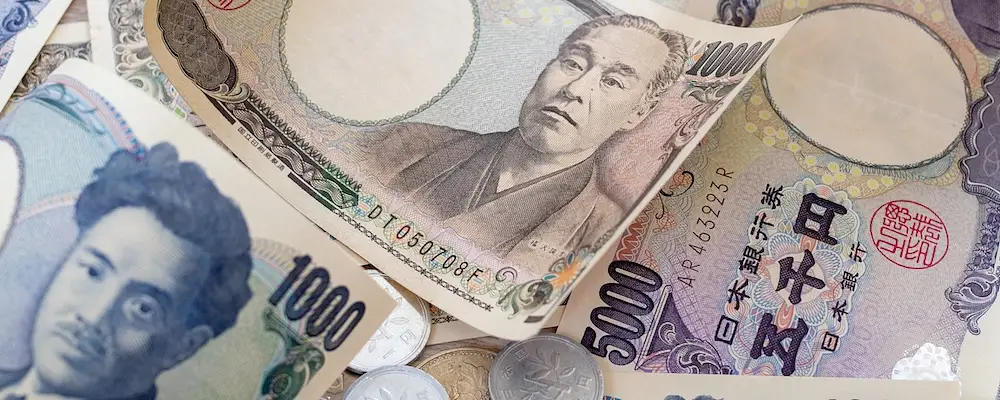
Spend smart, travel better
Japan has an interesting relationship with money. It creates toilets that address you by name, trains that apologize for leaving 20 seconds early, and vending machines that appear to be capable of resolving emotional issues. However, the little family-run ramen store that serves the tastiest lunch of your trip may still prefer cash.
If you're wondering how much money should you bring to Japan, the answer isn't "as much as possible." Instead, carry the correct combination of cash, cards, and a realistic daily budget. Japan is significantly more card-friendly than it was a decade ago and the vast majority of places in cities are now digital, but cash remains popular, especially in rural destinations or small family-fun venues, making your grandparents feel delightfully vindicated.
Whether you're a first-time tourist, traveling with children, hiking across the country, or enjoying a luxury escape, budgeting before you arrive will make your trip go more smoothly. Consider this guidance to financial packing, running out of yen halfway through a temple visit is about as beautiful as wearing socks and sandals.
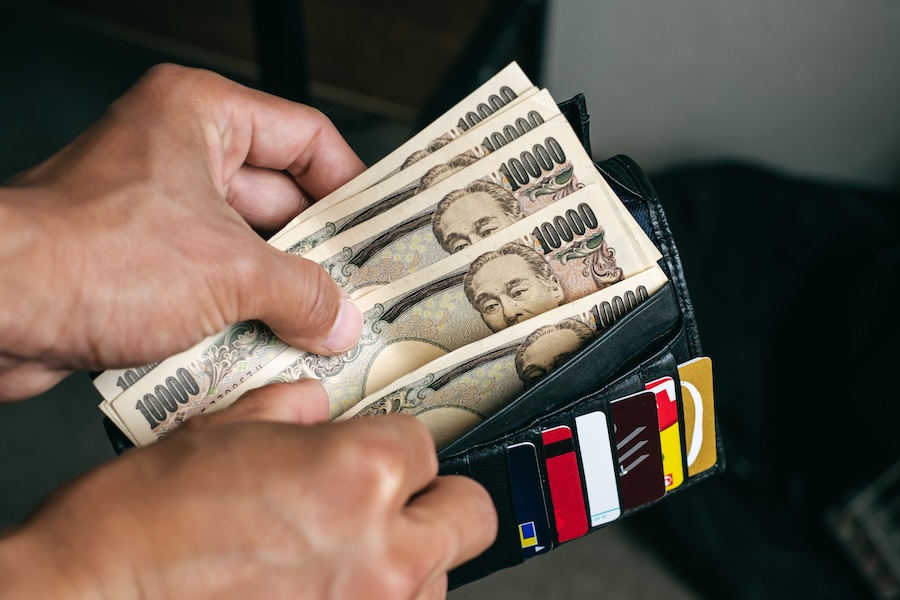
Most travelers simply need to carry ¥10,000-¥20,000 cash at all times and top up when needed at 7-Eleven Bank or Japan Post ATMs, both of which generally accept international cards. Cards are frequently accepted in cities, although cash is still required at many small eateries, temples, local markets, rural buses, and some lodging charges.
Category |
Details |
Topic type |
Money, budgeting and travel planning |
Best moment to think about this |
Before booking your trip and before arriving in Japan |
Ideal for |
First-time visitors, families, rail travellers, budget travellers |
Risk if you ignore it |
You may struggle to pay at smaller businesses or carry far more cash than necessary |
Working out how much money to bring to Japan does not entail packing a wallet so full that it needs its own seat on the plane. It's about knowing when to use cash and when to use your credit card, as well as setting a realistic budget for your travel style.
Japan differs from many Western countries in that it is pleasantly modern while still accepting cash. In Tokyo, you may use your card to buy a coffee and then walk five minutes to a small ramen store where crisp yen notes are still the sole accepted payment method. Neither system is incorrect; they simply cohabit really well.
You'll notice this along your journey:
At the airport, exchanging a small amount of cash can help you get started.
On trains and buses, IC cards such as Suica make local travel effortless, but some rural transport still prefers cash.
At hotels, where your room may be prepaid, but accommodation taxes are sometimes collected separately at check-in.
At restaurants and markets, where major chains usually accept cards, while independent businesses may not.
At temples, shrines, and festivals, where donations, charms, and food stalls are often cash-only.
The good news? Once you understand where cash still matters and where cards work perfectly, budgeting for Japan becomes surprisingly straightforward. Instead of worrying about payment, you can focus on more important questions, like whether buying another matcha KitKat flavour is really a necessity. (It usually is.)
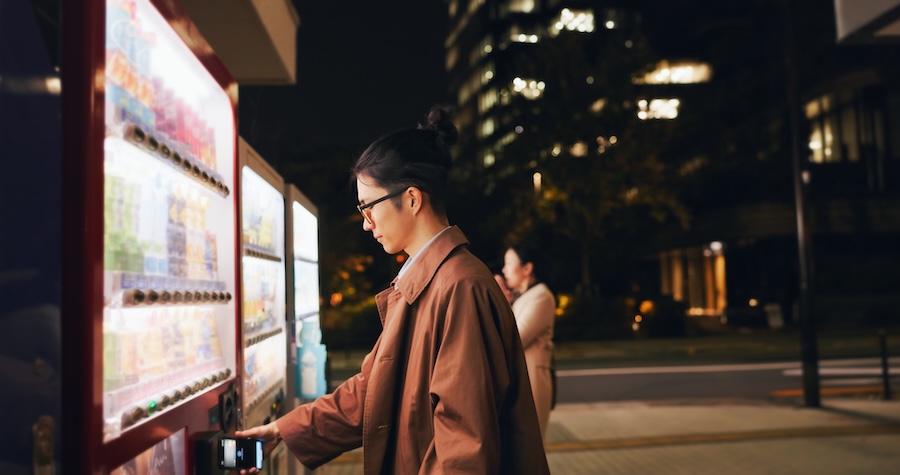
In Tokyo, Osaka, and Kyoto, credit cards, contactless payments, and mobile wallets are frequently used. Department stores, hotels, chain restaurants, convenience stores, supermarkets, and attractions typically accept Visa, Mastercard, and other major credit cards without complaint.
Where cash still shines is in the minor details.
The family-owned izakaya with six seats? Cash.
Is the temple selling lovely goshuin stamps? Usually cash.
A country bus, a small market, or an independent café? Quite possibly cash again.
The rule does not state that Japan prefers cash. This is something that many small businesses do. If you're wondering, "Is Japan cash or card?" the answer is both. Cards cover the majority of large expenses, while cash discreetly manages the delightful tiny places that frequently become the highlights of your vacation.
Nobody enjoys budgeting on holiday. It's rather like counting calories during dessert. Still, having a rough idea of your daily spending makes life much easier. The figures below are planning estimates only and will vary depending on exchange rates, season and personal travel style.
Travel Style |
Approximate Daily Budget |
Budget |
¥10,000–¥15,000 |
Mid-range |
¥18,000–¥30,000 |
Comfort |
¥35,000+ |
A budget traveller might stay in hostels, eat at ramen shops and convenience stores, and rely heavily on public transport.
A mid-range traveller enjoys comfortable hotels, restaurant dinners and paid attractions without worrying about every coffee.
A comfort traveller has a habit of saying things like, "Let's just take the taxi," which is perfectly reasonable until you've said it six times in one afternoon.
Money rarely becomes a problem in Japan, but it does have a habit of surprising first-time visitors.
Checking into accommodation: Your hotel may happily accept your card, but a local accommodation tax is sometimes collected separately at check-in and may require cash depending on the property.
Eating at small restaurants: The meal might cost less than your morning coffee back home, yet the restaurant may only accept cash.
Shopping at convenience stores: Konbini is wonderfully modern. Cards, contactless payments and IC cards usually work without any drama.
Travelling in rural Japan: Smaller stations, buses and independent shops can still be cash-friendly, so carrying a little yen saves unnecessary stress.
Once you understand where cash still matters, Japan becomes remarkably easy to navigate. The goal isn't to carry more money, it's simply to carry the right kind.
Budgeting looks different for every traveller, but a little planning makes almost every trip smoother.
Especially helpful for:
First-time visitors who aren't sure whether Japan is cash or card.
Families managing meals, transport, and attraction costs.
Rail travellers moving between several cities.
Solo travellers who prefer not to carry large amounts of cash.
Budget travellers who need to keep a close eye on daily spending.
Things to consider if you:
Visit rural areas, where cash is still more common.
Stay in traditional inns or smaller accommodation that may collect local taxes separately.
Plan to shop at markets, festivals, or temples where cards aren't always accepted.
Not critical but still nice to know if:
You're staying in central Tokyo or Osaka, where card acceptance is excellent.
You're returning to Japan and already have an IC card like Suica or PASMO.
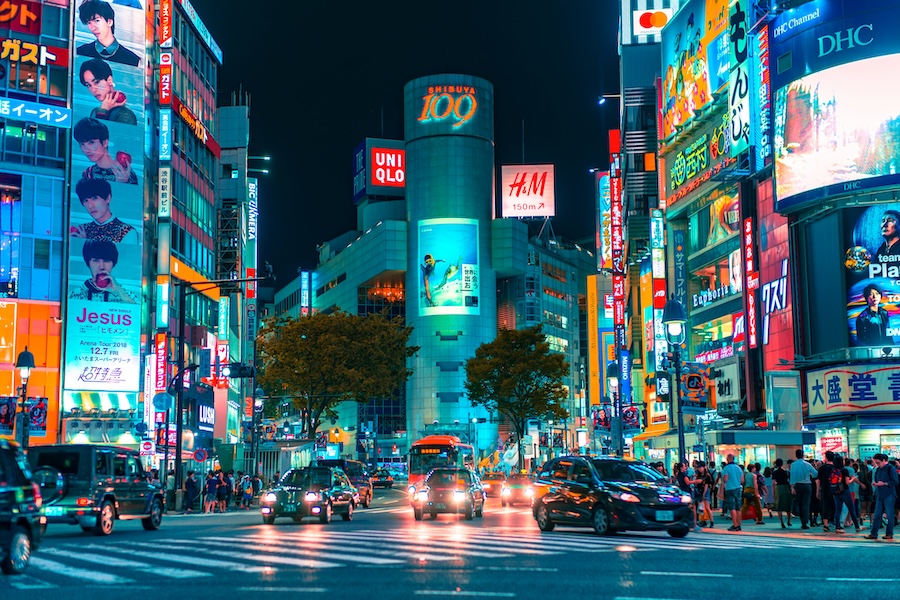
Japan doesn't have one payment culture, it has several, depending on where you are.
In Tokyo, Osaka, and Yokohama, you could happily survive most of the day using your credit card or phone. Convenience stores, department stores, hotels, chain cafés, and attractions have embraced cashless payments.
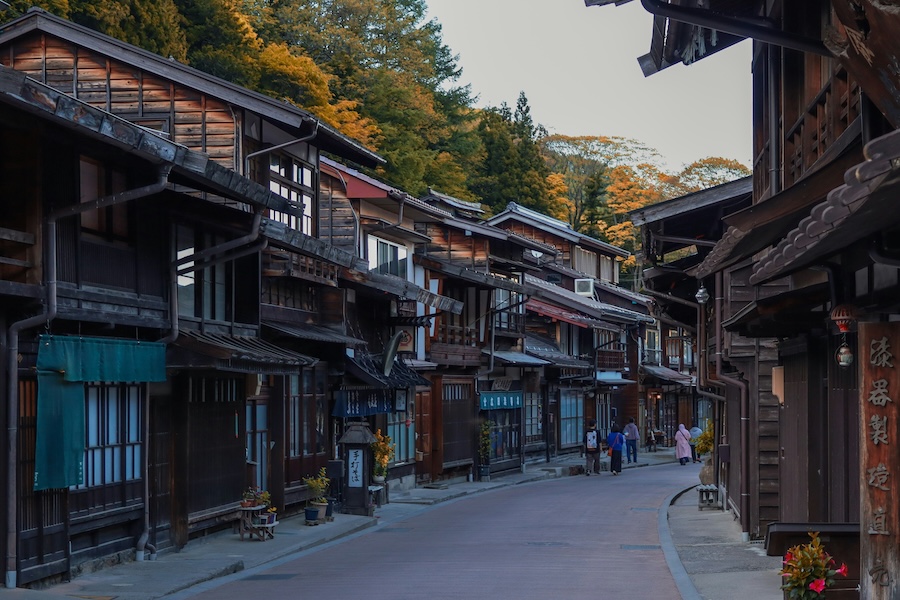
Travel into smaller towns, mountain villages, or countryside destinations, however, and cash quietly regains its confidence. Local buses, independent cafés, family-run restaurants, and temple admission boxes often prefer good old-fashioned yen. Japan isn't refusing modern payments, it simply believes there's room for both.
If you're spending five days in Tokyo, you probably won't need to withdraw cash very often.
If you're travelling across Japan with a JR Pass or regional rail pass, expect to encounter a wider mix of payment methods. Smaller stations and regional attractions are where carrying a little extra cash becomes genuinely useful, not because Japan is old-fashioned, but because every region moves at its own pace.
Money planning starts long before your flight lands.
Tell your bank you're travelling if required.
Carry at least two payment cards.
Exchange a small amount of yen before departure or plan your first ATM stop.
Compare whether a Japan Rail Pass or a regional pass suits your itinerary.
Arrange Pocket Wi-Fi or a Japanese SIM so banking apps and maps work immediately.
First-time visitors may also appreciate a Meet & Greet service, especially after a long flight.
Carry ¥10,000–¥20,000 in cash for everyday spending.
Keep larger amounts safely in your hotel.
Download your bank's mobile app.
Add a digital IC card, such as Suica, if your phone supports it.
Save the locations of nearby 7-Eleven and Japan Post ATMs.
Carry a small amount of cash every day.
Use cards for larger purchases where possible.
Withdraw cash from trusted ATMs like 7-Eleven Bank.
Keep coins—they're surprisingly useful.
Check whether accommodation taxes are paid separately.
Don't assume every restaurant accepts cards.
Don't exchange all your money at the airport if the rate is poor.
Don't carry your full holiday budget in your wallet.
Don't forget that exchange rates fluctuate.
Don't panic if somewhere is cash only, there's usually an ATM nearby.
Forgot to bring enough money? Look for a 7-Eleven or Japan Post ATM, both of which typically take international cards. If your card isn't working, ask your hotel staff for the nearest compatible ATM, they've assisted countless travelers before you, and most likely someone five minutes ago.
Couples on a 10-day trip: Budget your spending before you leave, carry daily cash, and use cards for hotels and shopping.
Families visiting multiple cities: Withdraw cash before heading into rural areas and keep transport money separate from your sightseeing budget.
Solo travellers and backpackers: Use convenience-store ATMs to top up as you travel rather than carrying large sums.
First-time visitors: Booking accommodation in advance, arranging Pocket Wi-Fi, and choosing the right rail pass will make managing your money much easier from day one.
Q: How much cash should I take to Japan?
A: Most travellers only need around ¥10,000–¥20,000 in cash at a time and can withdraw more during the trip.
Q: Is Japan cash or card?
A: Both. Cities are highly card-friendly, but cash is still common at smaller businesses and in rural areas.
Q: Can foreigners use ATMs in Japan?
A: Yes. 7-Eleven Bank and Japan Post ATMs generally accept international debit and credit cards.
Q: Should I exchange money before arriving?
A: Bringing a small amount of yen is useful, but many travellers receive better rates by withdrawing from ATMs after arrival.
Q: Do I need cash for temples and shrines?
A: Often, yes. Donations, charms, and small purchases are frequently cash only.
Q: Are IC cards the same as credit cards?
A: No. Suica, PASMO, and ICOCA are prepaid transport cards that can also be used for many everyday purchases.
Q: Can I use Apple Pay or Google Wallet?
A: Increasingly yes, especially in larger cities, although smaller businesses may still prefer cash.
Q: How much should I budget per day in Japan?
A: Around ¥10,000–¥15,000 for budget travel, ¥18,000–¥30,000 for mid-range, and ¥35,000+ for comfort travel.
Q: Are accommodation taxes included in hotel prices?
A: Not always. Some properties collect local lodging taxes separately at check-in, so check your booking confirmation.
Q: What's the biggest money mistake first-time visitors make?
A: Assuming Japan is either completely cashless or completely cash-only. The smartest approach is to carry both a payment card and a sensible amount of cash.
Why should I book with JapanDen?
How do I book a hotel or ryokan through JapanDen?
What types of accommodations do you offer in Japan?
How can JapanDen help with planning my trip?
As well as booking accommodation, JapanDen is a place to learn more about Japan and how you can make the most of your time in this special country. From in-depth region guides to stories from Japan, we’ll be regularly publishing carefully curated insights from Japanese culture, with recommendations for the best activities and attractions and the latest news. Looking forward, we’ll also be adding special community features so you can share ideas and inspiration with like-minded people. Please come back and visit us regularly as we continue to add new content. We want JapanDen to be your home away from home too.
Do you offer guided tours in Japan, and how can I book one?
As part of the JRPass.com group, we offer a dedicated Meet and Greet service with expert personal assistance on your arrival in Japan booked via JRPass.com, alongside nationwide and regional rail passes for travel. As JapanDen grows, we will be offering more services and activities to provide a complete Japan travel experience.
Can I purchase Japan Rail Passes through your website?
JapanDen is part of the JRPass.com group, book your passes and tickets directly on JRPass.com