Harajuku And Shibuya In One Day: How They Differ And What To Do In Each
Tokyo's ideal double date
There are neighbourhoods in Tokyo. Then there are personalities.
If you're investigating Harajuku and Shibuya, you're undoubtedly wondering three things: Are they different? Can I complete both in one day? And why does everyone on Instagram appear to be standing at the same crossing? The short answer is yes, and it's impossible to resist.
Harajuku is synonymous with youth fashion, kawaii culture, crepes, and self-expression while wearing platform boots.
Shibuya City Tokyo is defined by enormous screens, late nights, shopping bags, and the vitality of the principal characters.
What is the best part? They're only one JR stop away or a 20-minute walk apart, linked by the fabulously trendy Harajuku Cat Street. In terms of dating, Harajuku represents the artsy fashion student. Shibuya is an investment banker who occasionally DJs on weekends.

Before we begin our relationship with western Tokyo:
Topic |
Info |
|---|
Type |
Tokyo neighbourhood guide |
Location |
Harajuku and Shibuya, Tokyo |
Best Time To Visit |
All year round |
Best For |
Shopping, fashion, culture, nightlife, entertainment, food - a bit of everything |
Famous For |
Kawaii fashion, legendary shopping, nightlife, unique food, quirky culture, neon, Shibuya scramble |
Best Time To Plan |
Before booking Tokyo accommodation |
Ideal For |
First-time visitors, couples, solo travellers |
How To Get Around |
On foot and/or Tokyo subway |
Risk If You Ignore It |
Accidentally spending six hours inside one department store |
Top Tip |
Harajuku is also very close to Yoyogi Park so you can tick off several places on your to-do list in one go - and all on foot! Despite its size, Tokyo is very walkable! |

Tokyo neighbourhoods are not districts. They are train station personalities. Harajuku and Shibuya sit next to each other but feel very different. Harajuku specializes in creativity, street fashion, and the occasional teenager dressed as an extraterrestrial princess. Shibuya specializes on energy, nightlife, and persuading you that you might need another pair of sneakers. Together, they make one of Tokyo's most memorable days out. Once you understand the rhythm, your journey gets significantly easier. And your step count increases tremendously.
Begin at Meiji Jingu, before the masses gather. Walking from Tokyo's busiest streets to a forest shrine is like accidently opening the wrong door and discovering another cosmos behind it. Morning trips are quieter, colder, and far more amazing.
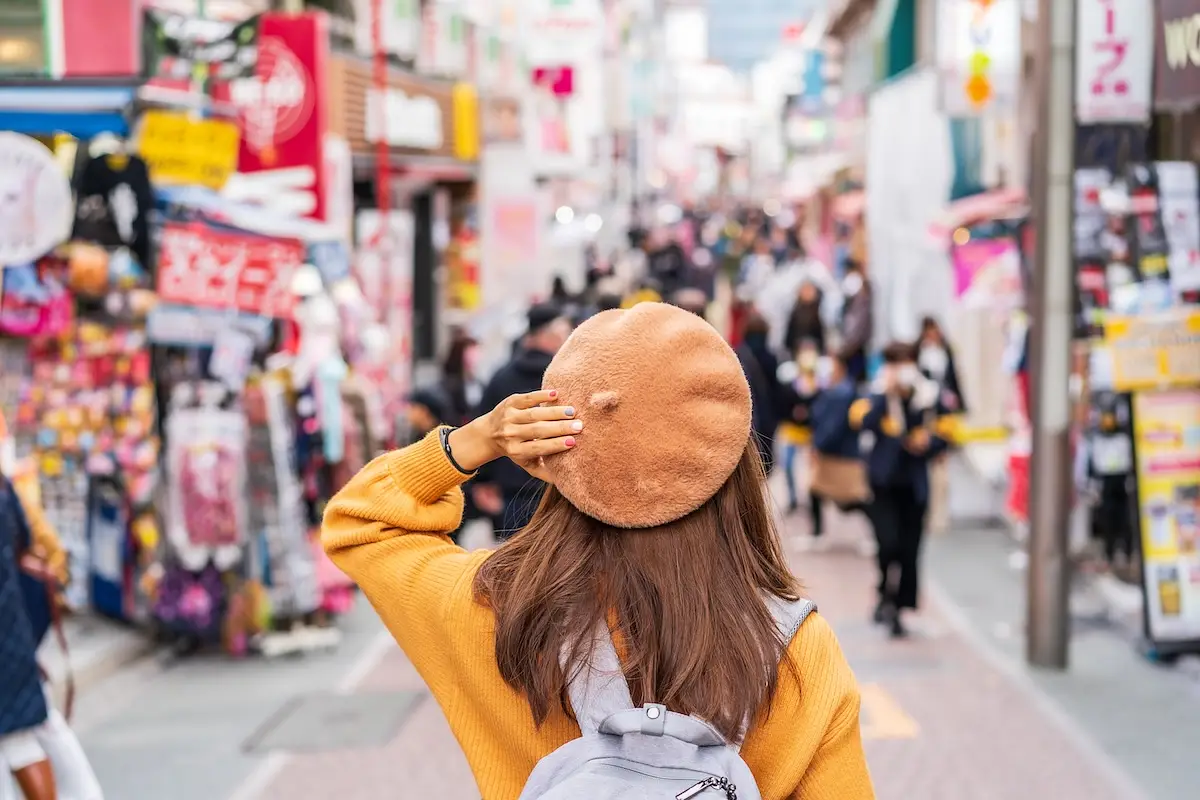
Let us be honest. Thirty minutes is sufficient. Takeshita Street (pictured above at night) is noisy, colorful, chaotic, and delightful, just like a puppy birthday party.
Harajuku eventually grows up. This is where it happens. Omotesando swaps rainbow socks for luxury architecture, designer shops and people who somehow make beige look expensive.
Need a break? Yoyogi Park is where Tokyo comes to exhale.
Yes, it's simply a crossing. Yes, you will cross it four times. No one understands why this is so enjoyable. Visit Hachiko while you're there, for even the hardest hearts can't resist that story.
Make an advance booking. Especially at sunset. Watching Tokyo light up underneath you is one of those moments that makes even veteran travelers feel strangely sentimental.

The trip from Harajuku to Shibuya down Cat Street could be Tokyo's best supporting actor. Boutiques have replaced chain stores. Coffee shops emerge when you need them the most. Suddenly, twenty minutes pass. This is not transportation. This is foreplay for shopping.
Meiji Jingu feels surprisingly peaceful.
Takeshita Street feels surprisingly loud.
Shibuya Station feels surprisingly determined to test your character.
Cat Street will almost certainly cost you money.
Comfortable shoes become your most important relationship.
Especially useful for:
First-time Tokyo visitors.
Fashion lovers.
Couples.
Solo travellers.
People who enjoy cities with personality disorders.
Worth knowing if you:
Travel with children and need park breaks.
Carry large luggage.
Prefer quieter neighbourhoods.

Compared with Kyoto or smaller towns, Harajuku and Shibuya operate at maximum Tokyo volume.
English support is excellent, card payments are widely accepted and shopping temptation levels remain dangerously high.
Spring and autumn are perfect for walking.
Summer humidity turns the Harajuku to Shibuya walk into cardio.

Before you travel:
Reserve Shibuya Sky sunset tickets.
Download Google Maps.
Arrange Pocket Wi-Fi or a SIM card.
Consider Meet & Greet if arriving through Shibuya Station on day one.
Bring:
Comfortable shoes.
A portable charger.
Shopping bag space.
Emotional resilience for Japanese skincare stores.
Visit Meiji Jingu early.
Walk Cat Street.
Book Shibuya Sky ahead.
Explore side streets.
Stay for sunset.
Spend three hours on Takeshita Street.
Bring heavy luggage.
Underestimate walking distances.
Visit Shibuya Sky without reservations.
Lost in Shibuya Station? Join the club. Ask staff for help, follow the signs and remember that thousands of Tokyo commuters survive this daily. Eventually.

Couples: Harajuku for coffee, Shibuya for cocktails.
Families: Add Yoyogi Park and keep snack supplies high.
Solo Travellers: Few places reward wandering quite like this.
JR Pass Travellers: Use Shibuya as your Tokyo base before heading to Kyoto or Osaka.
Book accommodation, Pocket Wi-Fi, Meet & Greet and your rail passes before arriving. Future you will look incredibly organised.
Q. Can you do Harajuku and Shibuya in one day?
A. Yes, comfortably. Many visitors combine both in a single day.
Q. How long is the walk from Harajuku to Shibuya?
A. Around 20 minutes via Cat Street.
Q. Which is better: Harajuku or Shibuya?
A. Harajuku wins for fashion and shrines. Shibuya wins for nightlife and shopping.
Q. Where is Shibuya located?
A. Shibuya is in western Tokyo and is one of the city's most famous districts.
Q. Is Takeshita Street worth visiting?
A. Absolutely, although most visitors only need about 30 minutes.
Q. Do I need tickets for Shibuya Sky?
A. Yes, especially for sunset slots.
Q. What is Harajuku famous for?
A. Street fashion, kawaii culture and Takeshita Street.
Q. What is Shibuya famous for?
A. Shibuya Crossing, nightlife and shopping.
Q. Can families enjoy Harajuku and Shibuya?
A. Very much so, particularly with stops in Yoyogi Park.
Q. Should I stay in Harajuku or Shibuya?
A. Shibuya offers more hotels and transport options, while Harajuku feels slightly calmer.
Why should I book with JapanDen?
How do I book a hotel or ryokan through JapanDen?
What types of accommodations do you offer in Japan?
How can JapanDen help with planning my trip?
As well as booking accommodation, JapanDen is a place to learn more about Japan and how you can make the most of your time in this special country. From in-depth region guides to stories from Japan, we’ll be regularly publishing carefully curated insights from Japanese culture, with recommendations for the best activities and attractions and the latest news. Looking forward, we’ll also be adding special community features so you can share ideas and inspiration with like-minded people. Please come back and visit us regularly as we continue to add new content. We want JapanDen to be your home away from home too.
Do you offer guided tours in Japan, and how can I book one?
As part of the JRPass.com group, we offer a dedicated Meet and Greet service with expert personal assistance on your arrival in Japan booked via JRPass.com, alongside nationwide and regional rail passes for travel. As JapanDen grows, we will be offering more services and activities to provide a complete Japan travel experience.
Can I purchase Japan Rail Passes through your website?
JapanDen is part of the JRPass.com group, book your passes and tickets directly on JRPass.com