Guide to Japanese Manga Cafés: What to Expect

Your guilty pleasure with Wi-Fi and snacks
Picture this: Tokyo at nighttime. Neon lights, soft rain, and you, sneaking into a manga café because you need a break from the world. You're not alone. Japan perfected the concept of comfy escapism, which included comic books, limitless cola, and 24-hour air conditioning. Welcome to the Japanese manga café, or manga kissa, as it is known locally. First originating in the late 1970s as simple coffee shops stocking comic books, these venues evolved dramatically during the late 1990s and early 2000s into multi-functional urban sanctuaries. Today, they serve as quiet workspaces, overnight lodgings, and digital media centers catering to millions of visitors annually across Japan's major metropolitan areas.
It's a combination of a library, an internet café, and a secret hideaway where you may read your favorite manga, play online games, shower, snooze, or even spend the night if your train home fails to arrive. Manga cafés are Tokyo's not-so-secret addiction, serving as both entertainment and rehabilitation. A typical establishment stores between 10,000 and 30,000 physical manga volumes curated into meticulously organized categories ranging from popular shonen and shojo series to niche genres, alongside high-speed internet PCs, private cubicles, print services, and expansive self-serve drink stations.
Whether you're a solo adventurer, a curious visitor, or a sleep-deprived lover who missed the final train (we've all been there), this is Japan's coziest open secret. Operating continuously 24/7/365, manga kissas provide affordable micro-accommodation without requiring advance reservations, bridging the gap between high-end travel accommodations and spontaneous urban convenience.

Key Categories |
Details |
Type |
Internet café / reading lounge / overnight hideaway / hybrid micro-hotel |
Location |
Nationwide (Tokyo, Osaka, Kyoto, everywhere urban life exists) |
Address |
Varies by chain; common ones include Manboo!, GeraGera, Gran Cyber Café Bagus, and Comic Buster |
Opening Hours |
24 hours, seven days a week (365 days a year) |
Admission/Ticket |
Typically ¥300–¥600 per 30 minutes; long-stay and overnight packages available (around ¥2,000–¥3,000 for 6–8 hours) |
Official Website |
Each chain has its own site, search your location + “manga kissa” |
Nearest Station |
Usually near major train hubs (Shinjuku, Akihabara, Shibuya, Osaka Namba) |
Languages/Signage |
Mostly Japanese; many locations offer English menus or picture guides. Staff usually know basic English. |
Best For |
Solo travelers, night owls, anime fans, backpackers, and anyone with a spontaneous streak |

Consider it Japan's caffeine-infused version of self-care. When you first walk in, you will register at the front desk (a process that sometimes requires presenting a photo ID or filling out a short membership form) and select your preferred booth style and duration pack.
After selecting a booth and checking in at the counter, you will enter your own private realm. You are handed a key slip on a lanyard containing your booth number and check-in timestamp, which you carry with you throughout your stay.
What to expect:
Private cubicles: Choose from open seats, reclining chairs, or cozy tatami rooms. Flat-mat (flat mat/tatami) booths feature padded floor mats perfect for lying completely down, while pair booths accommodate two people comfortable.
Endless manga shelves: Thousands of volumes, from Demon Slayer to One Piece and every dramatic love triangle in between. Most locations maintain search terminals allowing you to check volume locations by title or author name.
Free Wi-Fi and PCs: Stream, scroll, or game, no judgment. Desktop PCs come equipped with high-speed internet, online streaming platforms, Microsoft Office applications, and dedicated gaming configurations.
All-you-can-drink bars: Soft drinks, coffee, sometimes ice cream (hydration = optional). Self-serve drink fountains offer unlimited hot teas, espresso, soda drinks, corn soup, and soft-serve ice cream machines included in the base fare.
Showers & toiletries: Because sometimes one chapter turns into a sleepover. Clean private shower stalls are bookable at reception, stocked with shampoo, body wash, hair dryers, and complimentary towel sets.
Blankets, slippers, charging ports, and vending machines: Basically, your new apartment. Additional amenities include desk lamps, noise-canceling headphones, phone charging cables, hot meal menus (curry, ramen, and fried rice), and laundromat facilities.
The vibe? Dim lighting, quiet hums, and the faint rustle of manga pages turning. Intimate without being invasive, like Tokyo itself. Individual booths feature locking or sliding doors for privacy, ensuring a tranquil retreat from busy city streets.
Let’s be honest: everyone. Japanese manga cafés serve a remarkably diverse cross-section of society, catering to both temporary visitors and long-term urban dwellers seeking convenience and affordability.
Backpackers who’d rather spend money on sushi than a hotel. Overnight packs cost a fraction of standard hotel rates, making it a favorite for budget travelers exploring Japan on a dime.
Office workers who missed the last train (aka Japan’s most relatable demographic). When midnight train lines shut down around 1:00 AM, a manga kissa provides a clean place to sleep before morning commutes resume.
Anime and manga lovers who want to dive into their fandom surrounded by thousands of volumes. Enthusiasts can read newly released manga tankobon (graphic novel volumes) or rediscover classic series out of print.
Digital nomads who can’t resist Wi-Fi, caffeine, and a good swivel chair. Quiet environment, high-speed ethernet connection, and power sockets make it ideal for working remotely between activities.
Curious tourists who just want to know what goes on in there. Experiencing a manga café firsthand offers insight into everyday Japanese subculture and urban lifestyle solutions.
It’s budget travel meets local culture, like sleeping inside a Netflix library, minus the judgment and with all the modern amenities you need for a comfortable rest.

If you are deciding where to spend a few hours or the night in Japan, the main difference comes down to comfort, flexibility, price, and how much privacy you want. Manga cafés sit somewhere between a hotel and a late-night workspace: less comfortable than a capsule hotel or hostel, but often more flexible and easier to use at short notice. Here is how they compare with the other common options.
Private or semi-private booths with recliners or padded flat mats, offering individual workspace and entertainment setups.
Cheapest option for short stays or missed trains, operating with hourly pay-as-you-go billing or discounted multi-hour night rates without prior booking.
Best for solo travelers and night owls who desire flexible check-in times and complete privacy without social interaction.
Comfort is functional, not luxurious; noise proofing is minimal between thin cubicle walls compared to traditional hotel rooms.
Dedicated sleeping pods with actual mattresses and bedding designed specifically for overnight sleeping rather than sitting or reading.
Better sleep quality than manga cafés due to dedicated quiet zones, enclosed capsule construction, and standard hotel mattress pads.
More expensive, fixed check-in/out times (typically ¥3,000–¥6,000 per night) requiring reservations during peak tourist seasons.
Less flexible for short stays, with strict check-out times in the morning requiring guests to vacate capsules entirely during daytime cleaning hours.
Social atmosphere and shared rooms, offering bunk beds in communal dormitories and shared lounge areas for travelers to meet people.
Better facilities for longer stays, including communal kitchens, laundry facilities, luggage storage, and staff assistance for city tours.
Not ideal for last-minute overnight needs due to limited walk-in availability late at night in busy districts like Shinjuku or Shibuya.
Requires advance booking and adheres to strict nightly rate pricing rather than hourly increments.
Similar setup but fewer manga titles, catering primary to PC gamers, remote office workers, or basic web browsing.
More PC-focused, less relaxing atmosphere with brighter lighting and desktop workstations designed for digital tasks.
Manga cafés are generally cleaner and quieter, tailored specifically for leisure reading, relaxation, and peaceful overnight stays.
Bottom line:
Manga cafés are best for flexibility, privacy, and budget, not for traditional hotel comfort. They offer a unique, non-intrusive sanctuary in the middle of Japan's busiest train districts.

The best manga café chain depends on what matters most to you: comfort, price, location, or privacy. Some chains feel almost like compact lounges, while others are designed mainly for cheap, practical overnight stays. If you are choosing between the major names, these are the main differences to know.
Higher-end interiors and cleaner booths featuring chic wooden aesthetic, quiet atmosphere, and upscale lounge feel.
Wider food menu and better drink stations, including specialty espresso bars, artisan teas, soft-serve ice cream, and quality hot dining selections.
Slightly higher prices reflecting premium facilities, pristine cleanliness, and superior customer amenities.
Popular with travelers and professionals looking for a refined space to work, relax, or sleep in comfort near major hubs like Shibuya or Roppongi.
Large nationwide presence with dozens of convenient locations situated adjacent to primary train station exits throughout major Japanese cities.
Good balance of price and comfort with wide selection of booth configurations and comprehensive digital libraries.
Standard booths and facilities including high-speed PCs, print services, shower facilities, and free-flowing drink bars.
Reliable first-time option featuring straightforward registration systems and tourist-friendly signboards.
More budget-oriented pricing structure designed for maximum cost savings on short breaks or overnight stays.
Smaller booths, simpler design focusing on functionality and low pricing rather than luxury furnishings.
Cheaper rates, fewer extras, making it ideal for cost-conscious travelers who simply need a place to sit or rest briefly.
Common near major stations across Tokyo and other urban centers, recognizable by their bright yellow and green branding.
Quick tip:
If comfort matters, choose Bagus.
If price matters, GeraGera.
If unsure, Manboo! is the safest bet. Other notable chains include Customa Café (famous for private locking doors) and Kaikatsu CLUB (Japan's largest chain, known for clean, suburban-friendly locations).
Keep voices low at all times to respect other patrons resting or reading nearby.
Phone calls are usually not allowed inside booths; use designated telephone booths in common hallways instead.
Use headphones for videos or games (provided free with every PC workstation).
Clean up trays and return books properly to return carts or original shelves before checking out.
Do not block walkways with luggage; store large bags inside your booth or ask front desk staff for luggage storage assistance.
Time-limited (often 10–15 minutes) to prevent long wait times for other guests.
Extra fee may apply (typically ¥300–¥500), which includes basic amenities and towel rental.
Bring your own towel if possible, though front desks sell disposable amenity kits if needed.
Automatic extensions are common; if you exceed your selected time plan, system software automatically shifts you to the most economical package tier available.
Staff will bill total time at checkout based on your entry slip timestamp.
Always confirm overnight package rules, as night packs often require entry between specific hours (e.g., 8:00 PM to 5:00 AM).
Some locations restrict entry late at night due to municipal juvenile protection laws.
ID may be required after midnight; minors under 18 are prohibited from entering or remaining past 10:00 PM across all Japanese prefectures.
Comfort is paramount. Put on a hoodie, leggings, or casual streetwear to go full "Tokyo lounge mode." Imagine yourself in Shibuya after a hard night, sipping a matcha latte and seeking solace and introspection. Loose-fitting clothing makes lounging on flat mats or recliner chairs infinitely more restful during long 8-hour stays.

Go late: Night rates are cheaper and the mood is better, trust me. Night packs usually kick in around 8:00 PM or 10:00 PM, offering steep discounts for 6 to 12-hour stays.
Bring socks: Shoes off inside booths, and nobody wants cold feet while binge-reading. Almost all flat-mat booths require taking off outdoor footwear at the booth entrance or room thresholds.
Stay charged: Bring your own charger; power outlets are available, but competition is fierce. Japanese outlets use standard Type A plugs (two flat pins, 100V).
Overnight stay: Book the “night pack” (usually 6–8 hours) if you’re planning to crash. Select flat-mat rooms early before peak late-night hours when demand surges near train hubs.
Use your Pocket Wi-Fi: Public networks work, but yours is faster (and safer). Personal Wi-Fi devices maintain secure connections for private transactions or video calls in phone zones.
Etiquette: Keep your voice low, your phone on silent, and your energy mysterious.
Treat the space like a public library and respect fellow visitors' personal space.
You won’t have to search hard, they’re usually glowing near every major station. Look for vertical illuminated multi-story building signboards featuring characters like ネットカフェ (Net Café) or 漫画喫茶 (Manga Kissa).
By Train: Get off at large hubs like Shinjuku, Shibuya, or Akihabara. Walk two minutes and look for neon signs that scream “24H.” Major hubs typically host multiple competing chains within 300 meters of station exit gates.
By Foot: You’ll spot them by the manga posters in the window and the occasional exhausted salaryman emerging at 7 AM. Entranceways are often on upper building floors (2F-5F) or basement levels accessed via narrow stairwells or elevators.
By Taxi: Just say “manga kissa” and your driver will know exactly where to take you. Show the driver the location pin on your smartphone for precise drop-offs directly outside station plazas.
Socks (shoes are removed) - flat-mat and tatami booths mandate removing shoes before stepping onto booth mats.
Phone charger or power bank - USB ports and standard wall outlets are present in all private booths.
Headphones - essential for watching videos or listening to music without disturbing neighbors.
Personal toiletries (optional) - travel-sized toothbrush sets, razors, and skincare kits for quick freshening up.
Small backpack (large luggage may be restricted) - oversized suitcases can be hard to fit inside narrow cubicles.
Optional but useful
Eye mask for sleeping - helps block out light filtering in from hallway lighting over booth partitions.
Reusable water bottle - convenient for filling up at drink stations and keeping at your desk while reading.
Choose a manga café if you: want an economical, highly flexible micro-stay solution in central urban locations.
Missed the last train around 1:00 AM and need a comfortable spot until early morning train service resumes.
Need a short, cheap overnight stay without paying premium hotel pricing or committing to strict check-in times.
Want privacy without booking a hotel, enjoying your own quiet personal space with high-speed internet access.
Travel solo and value flexibility, allowing you to alter plans on the fly without cancellation fees or advance bookings.
Because after six hours in a private booth, you’ll want to stretch those fabulous legs. Staying near major transport hubs means top urban attractions, dining, and shopping are right on your doorstep.
Food & Drinks: Head to a ramen bar or 24-hour sushi spot, Tokyo doesn’t sleep, and neither should your appetite. Try popular late-night options like Ichiran Ramen, Torikizoku izakayas, or Sukiya beef bowl shops.
Attractions: Combine your manga café stop with Akihabara’s arcades, Ikebukuro’s anime shops, or Shibuya Crossing for a culture overload. Explore iconic landmarks like Animate main store or Super Potato retro video game shop.
Shopping: Pick up manga merchandise, figurines, or limited-edition volumes nearby. Your suitcase will forgive you (eventually). Visit Mandarake, Don Quijote megastores, or Radio Kaikan for collectible shopping.

In Japan, the first manga café appeared in the late 1970s. By the early 2000s, they had developed into hybrid internet cafés known as manga kissa, where "kissa" means "café." What began as a reading room evolved into Japan's unofficial backup plan for cheap lodging, missing trains, and night out. Locals adore them for peaceful solitude, while tourists adore them for reasonably priced adventure. They are the most underappreciated cultural experience in the nation; they combine curiosity, comfort, and caffeine in equal measure. Today, they are recognized as a staple of contemporary Japanese urban infrastructure, reflecting the city's focus on space optimization and 24/7 convenience.
Stay: If you want an actual bed afterward, find nearby hotels in Shinjuku, Akihabara, or Ueno. Reserve standard hotel accommodations for multi-day stays to ensure proper sleep quality.
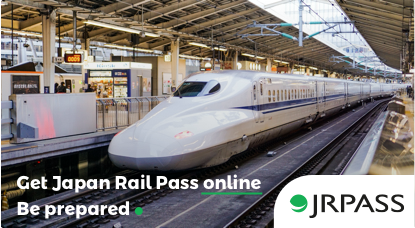
Transport: If you’re exploring multiple cities, the JR Pass makes train travel easy. For local trips around Tokyo, use prepaid IC cards (Suica or Pasmo). Tap IC cards seamlessly at station turnstiles for effortless urban travel.
Connectivity: A Pocket Wi-Fi or SIM card keeps your Google Maps and translation apps running, bundle it with your JR Pass for convenience. High-speed mobile data ensures you can navigate station exits and read Japanese signage easily.
Meet & Greet: Nervous about Tokyo’s labyrinth of stations? Book a friendly airport greeter to help you start strong. Professional greeters guide you through initial train transfers and ticket activations.
Japan basics: Cash still reigns; most cafés accept both yen and IC cards. Respect quiet zones, and remember, no phone calls in shared areas. Always keep Japanese Yen notes on hand for payment counters or local vending machines.
Q: How much does a manga café cost in Japan?
A: Around ¥300–¥600 per 30 minutes, or ¥2,000–¥3,000 for an overnight stay. Rates vary slightly by location, time of day, and booth type, with premium flat-mat cubicles costing slightly more than standard open seats.
Q: Can you sleep in a manga café?
A: Yes, and many people do. Reclining chairs, flat booths, and blankets make it surprisingly comfortable. Selecting a flat-mat (flat room) booth allows you to fully extend your body on a padded mat for a restful sleep experience.
Q: What’s the difference between a manga café and an internet café?
A: In Japan, they’re basically the same thing (manga kissa = internet café + manga library + private chill zone). While dedicated internet cafés place greater emphasis on PC gaming and business productivity tools, manga cafés feature extensive physical comic libraries.
Q: Are manga in Japanese manga cafés available in English?
A: Most physical manga volumes in Japanese manga kissas are printed exclusively in Japanese. However, high-speed PCs in each booth allow visitors to access digital manga platforms or web comics translated into English and other languages.
Q: Do I need an ID or membership card to enter a manga café in Japan?
A: Yes, under Japanese local regulations, many manga café chains require first-time visitors to register a membership card by presenting a valid passport or government ID. The registration fee is typically nominal (around ¥100–¥300).
Q: Can I leave my luggage in the booth if I step out temporarily?
A: Most manga cafés permit temporary outings once you notify the front desk, though policies vary. You may be asked to settle accumulated fees before stepping out. Keep valuable items like passports and wallets with you at all times.
Q. Are there age restrictions for staying overnight at a manga café?
Yes. Prefecture youth protection ordinances prohibit individuals under 18 years old from remaining in manga kissas between 10:00 PM and 5:00 AM, even if accompanied by an adult in certain regions.
Q. Is food provided, or can I bring my own outside food and drinks?
Policies differ across chains: many major chains allow outside food and drinks brought from convenience stores, while others ask guests to order from their internal hot meal kitchen menu.
Q: How do shower rooms work at manga kissas?
A: Shower facilities are requested at reception. Staff will assign you a shower key and a designated 15 to 30-minute time slot. Towels, soap, and shampoo are provided or sold at the counter.
Q: Can couples or friends share a booth in a manga café?
A: Yes, most chains offer "Pair Booths" or double flat-mat rooms designed for two people. However, individual single booths are strictly restricted to one person per room due to house rules.
Q: How long can you stay in a manga café?
A: You can stay anywhere from 30 minutes to 24 hours or longer. Rates automatically cap or transition into multi-hour packages (3, 6, 9, 12, or 24 hours) to give you the cheapest rate for your total duration.
Q: Are manga kissas safe for solo travelers and women?
A: Yes, manga kissas are exceptionally safe and secure. Many major chains feature dedicated female-only floors or keycard-protected zones with private female showers and powder rooms for added comfort.
Q: Is there Wi-Fi and power in every manga café booth?
A: Virtually all private booths come equipped with high-speed Wi-Fi, standard Japanese wall outlets, USB charging ports, and a dedicated desktop PC workstation.
Q: Do manga kissas take credit cards or IC cards?
A: Most urban manga café chains accept major international credit cards, IC transportation cards (such as Suica or Pasmo), and Japanese mobile payment apps alongside standard cash payment in Yen.
Why should I book with JapanDen?
How do I book a hotel or ryokan through JapanDen?
What types of accommodations do you offer in Japan?
How can JapanDen help with planning my trip?
As well as booking accommodation, JapanDen is a place to learn more about Japan and how you can make the most of your time in this special country. From in-depth region guides to stories from Japan, we’ll be regularly publishing carefully curated insights from Japanese culture, with recommendations for the best activities and attractions and the latest news. Looking forward, we’ll also be adding special community features so you can share ideas and inspiration with like-minded people. Please come back and visit us regularly as we continue to add new content. We want JapanDen to be your home away from home too.
Do you offer guided tours in Japan, and how can I book one?
As part of the JRPass.com group, we offer a dedicated Meet and Greet service with expert personal assistance on your arrival in Japan booked via JRPass.com, alongside nationwide and regional rail passes for travel. As JapanDen grows, we will be offering more services and activities to provide a complete Japan travel experience.
Can I purchase Japan Rail Passes through your website?
JapanDen is part of the JRPass.com group, book your passes and tickets directly on JRPass.com