Does It Snow in Tokyo?

Chase the flurries, not the fantasy
Tokyo's winters are characterized by crisp, chilly days, clear blue skies, and generally dry conditions, punctuated by the occasional magical "OMG, it's snowing!" moment that temporarily transforms the sprawling metropolis into a stunning, real-life cinematic movie set. It is much like a fashionable friend who never overdresses — refined, subtle, and understated. If you are currently typing "does it snow in Tokyo?" into your search bar, you are likely trying to figure out what essential clothing to pack, when to schedule your itinerary, and whether you will actually be able to capture that dream winter photo without freezing your toes off.
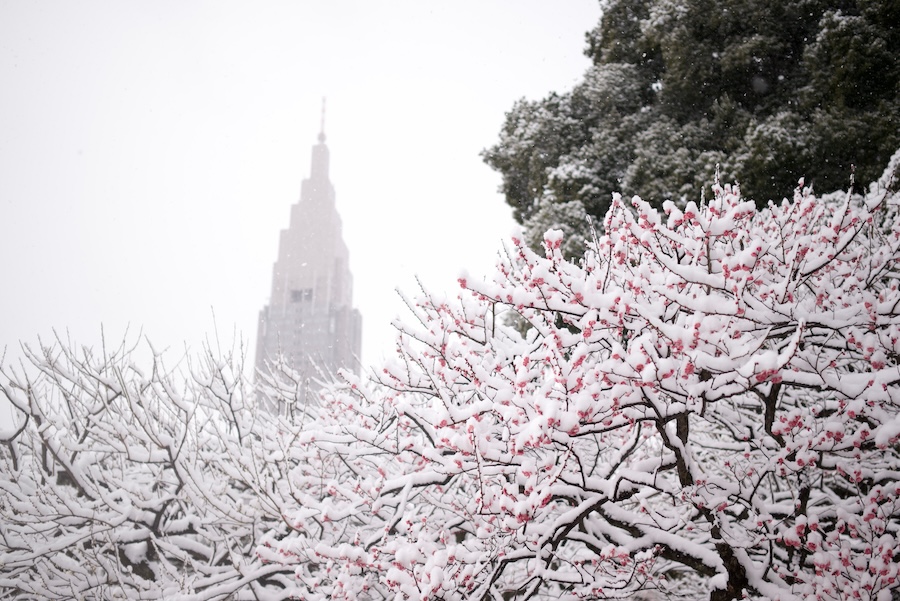
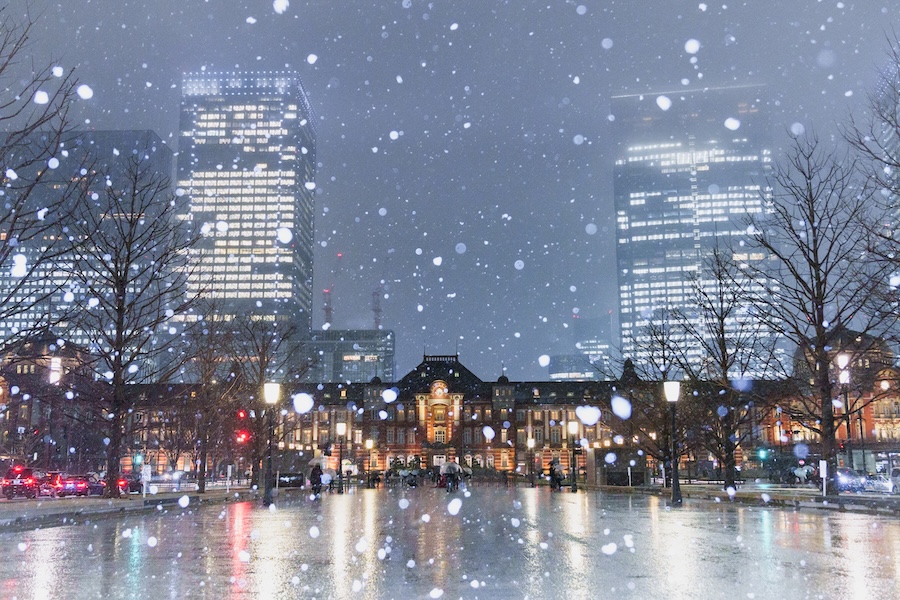
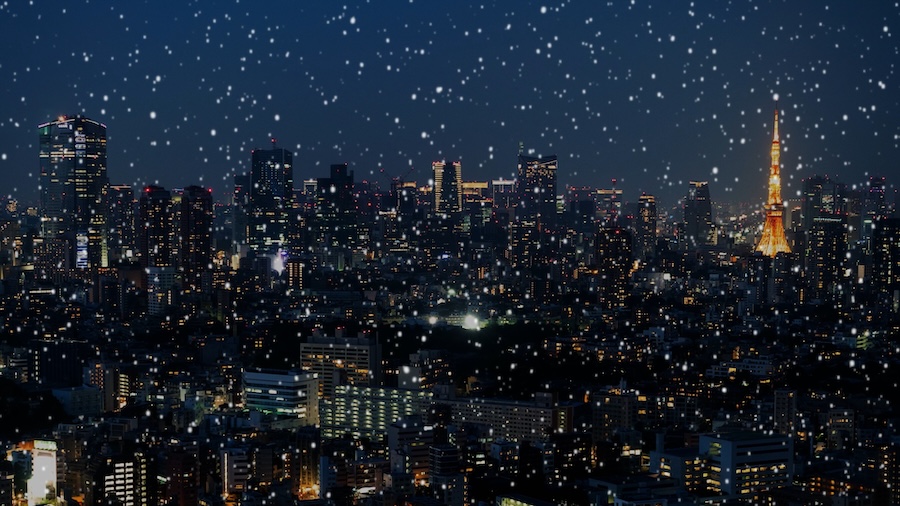
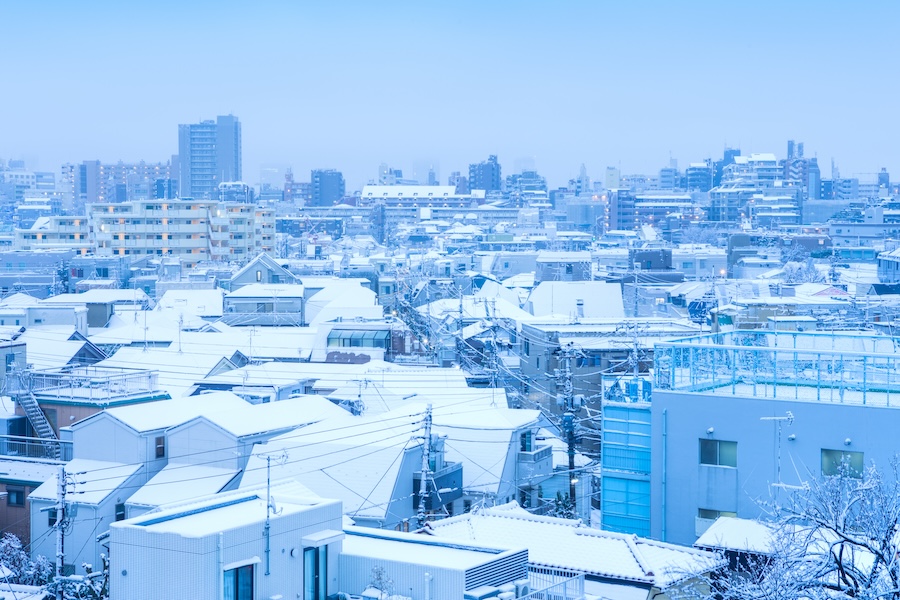
The core reality is that snowfall in Tokyo is always possible between January and March, but it is far from guaranteed, which is precisely what makes witnessing it so captivating. Unlike northern destinations such as Hokkaido or Nagano, when snow occurs in Tokyo, it is almost exclusively of the brief, light variety — a delicate dusting or quick flutter rather than a heavy, lingering blizzard. Picture locals casually power-walking through gentle flurries with transparent umbrellas, snow dusting the intricate rooftops of ancient temples in Asakusa, and a soft layer covering quiet neighborhood parks before melting away by early afternoon.
Topic |
Detailed overview of Tokyo's winter climate, realistic snowfall expectations, and seasonal travel advice. |
Topic type |
Weather / seasonal planning |
Best moment to think about this |
Before you book + before you pack |
Ideal for |
First-timers, photographers, families, anyone visiting in Jan–Feb |
Risk if you ignore it |
You’ll pack wrong and spend your trip either shivering or sweating on the Yamanote Line |
When travelers ask, "Does it snow in Tokyo?" what they are really asking is whether they should prepare for extreme arctic weather, heavy winter boots, and major travel disruptions during their vacation. In summary, while sub-zero temperatures and brief snowfall can certainly happen in Tokyo, heavy accumulation is exceptionally rare. Tokyo is not a city buried under snow for months on end. Instead, snow here functions as a fleeting guest — making a quick, memorable appearance before vanishing, usually without causing long-term disruption to daily life or tourism activities.
Establishing accurate expectations about Tokyo's winter climate is essential for effective packing, day-to-day planning, and maintaining comfort throughout your trip. Beyond avoiding overpacked luggage, understanding local weather patterns helps you navigate outdoor attractions with confidence. You won't need full Arctic survival gear or scientific forecasts to stay comfortable; simply knowing how snow impacts local transportation and walking conditions ensures your trip remains smooth and enjoyable.
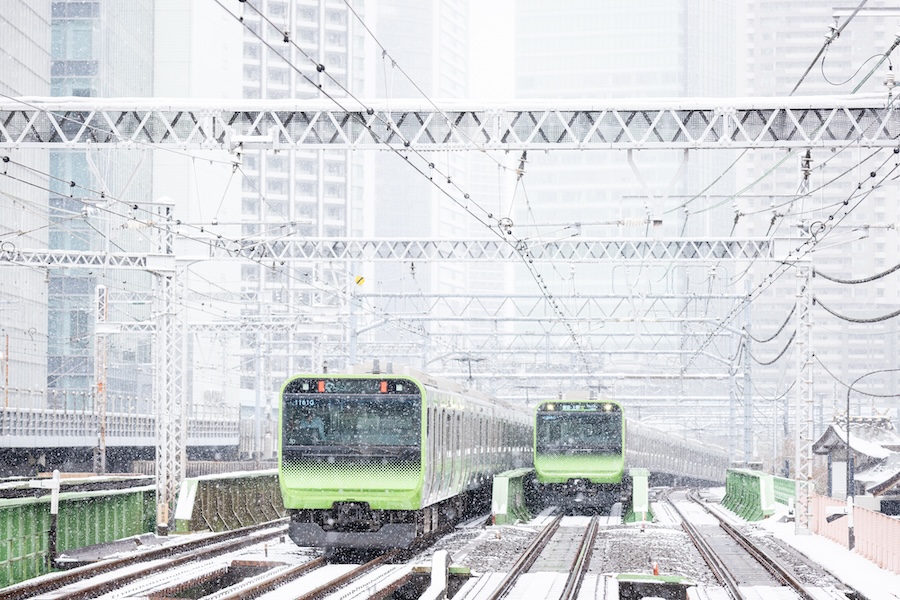
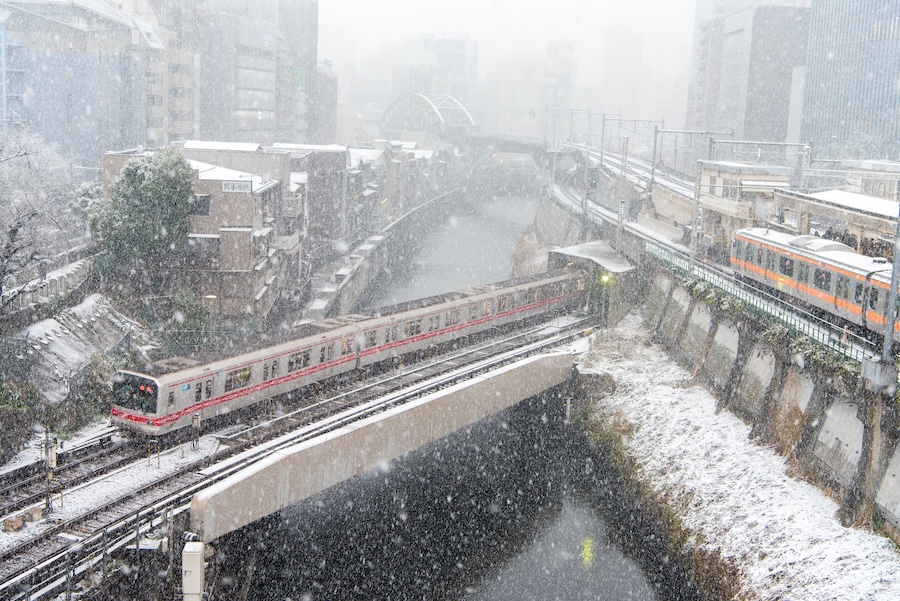
Japan’s urban transit systems are legendary for precision and efficiency, but because Tokyo rarely receives significant snow, even a slight accumulation can cause minor ripple effects. Slippery station stairs, brief delays on above-ground train lines like the Yamanote Line, and altered pedestrian traffic patterns are common during flurries. Being aware of these minor adjustments in advance allows you to remain relaxed, flexible, and fully prepared to adapt your schedule rather than feeling surprised or overwhelmed.
Grasping how snowfall practicalities play out in real time makes navigating day-to-day travel scenarios straightforward and stress-free. From checking into your accommodation to riding busy public transit, here is a detailed look at what usually happens during winter in Tokyo, what can go wrong if you are unprepared, and how having the right mindset helps keep your journey on track.
What usually happens:
Hotels, modern hostels, and traditional ryokan throughout Tokyo maintain seamless operations during the winter season. Heating infrastructure is excellent across indoor venues, and check-in procedures run strictly on schedule even on cold or snowy days.
What can go wrong if you don’t know this:
Uninformed travelers often drastically overestimate the severity of light snow, unnecessarily rushing their transit from airports, altering hotel check-in times in a panic, or worrying about widespread business closures that will not occur.
How knowing this helps:
You can travel at a comfortable pace knowing that light flurries will not impact your room reservation or hospitality services. Concierge and front desk staff are well-equipped to provide real-time updates regarding local transport conditions if needed.
What usually happens:
Trains, subways, and buses run reliably and on time throughout most winter days. During active snowfall, station platforms, stairs, and train entrances can become wet or slushy, and high-speed above-ground services may slightly reduce speeds for safety.
What can go wrong:
Expecting heavy snow clearing equipment or assuming platform conditions are dry can lead to accidental slips on tiled station floors or unnecessary anxiety over minor 5- to 10-minute transit delays.
How the right expectation helps:
By wearing proper footwear and budgeting a slight time buffer for morning commutes, you can travel with complete ease. Tokyo's transit infrastructure rarely halts entirely for winter weather; it simply adapts to ensure safety.
This section breaks down who benefits most from winter travel preparation in Tokyo, ensuring you can quickly identify whether winter weather planning applies directly to your personal travel style, itinerary, and health requirements.
Especially helpful for:
First-time visitors to Japan: Helps set realistic expectations for weather, transit, and daily walking conditions in major urban centers.
Travellers visiting Tokyo in January or February: Essential for targeting the peak cold months when snowfall is most likely to occur.
Families with children or strollers: Critical for choosing stroller-friendly transit routes and managing indoor/outdoor temperature changes.
Photographers and winter travellers: Perfect for timing visits to iconic landmarks like Senso-ji or Meiji Shrine during rare snowfall events.
People doing multi-city trips by train: Ideal for managing Shinkansen transfers when moving between Tokyo and snowy regions like Nagano or Niigata.
Things to consider if you:
Have mobility issues: Exercise extra caution on wet or icy pavement, stick to indoor underground walkways when available, and choose shoes with textured rubber treads.
Travel with small children: Plan shorter outdoor walking stretches, carry warm blankets for strollers, and take full advantage of indoor play centers and warm family cafes.
Are sensitive to cold or dry weather: Tokyo’s winter air is notoriously dry; pack lip balm, moisturizer, and wear removable thermal layers to stay comfortable indoors and out.
Are on a tight budget: Purchase affordable heat packs (Kairo) at convenience stores and pack versatile layers to avoid buying expensive winter apparel after arrival.
Not critical but still nice to know if:
You’ve visited Japan before: Winter weather nuances can still influence daily timing, photography plans, and seasonal food choices.
You’re staying only in Tokyo: While major blizzards are non-existent, knowing daily temperature swings ensures overall comfort.
You’re not planning winter day trips: Light flurries can still impact open-air sightseeing, outdoor markets, and walking tours across the city.
Big cities (Tokyo, Osaka, Kyoto):
Snowfall remains light and occasional. Urban transit and business life proceed smoothly, though outdoor walkways, metal bridge plates, and tiled subway entrances can become slippery when wet.
Smaller towns & rural areas:
Snowfall is significantly more frequent and persistent. Mountainous regions experience deep accumulation, meaning local bus routes may run on winter schedules and icy roads are common.
Tourist hotspots:
Historical sights like shrines, traditional gardens, and temple grounds offer stunning winter views, but wooden steps and flagstone pathways require extra caution when wet or frosted.
Quieter neighbourhoods:
Side streets and residential alleys experience less foot traffic and sunlight, which means patches of snow or black ice may linger longer on pavements compared to main avenues.
Etiquette: Always shake off excess snow from umbrellas and coats before stepping indoors. Place wet umbrellas in designated plastic sleeves or stands provided at building entrances.
English support: Multilingual signage, transit apps, and station staff assistance are widespread in Tokyo, but become more limited when venturing into smaller rural towns.
Cash vs card: Major stores and stations accept credit cards and IC cards seamlessly, but carrying Japanese Yen cash remains essential for small local eateries, temple entry fees, and coin lockers.
Luggage handling: Dragging heavy suitcases over icy or wet pavements can be challenging; consider utilizing Japan’s efficient hands-free luggage forwarding services (Takkyubin) between cities.
Winter travel (January–February):
Dress in versatile layers, monitor daily weather apps, budget extra travel time on snow days, and enjoy quieter seasonal attractions with fewer crowds.
Short city breaks:
Snow is very unlikely to disrupt tight itineraries, but cold winds necessitate proper accessories like scarves, gloves, and thermal undershirts.
Multi-city rail trips:
Build in comfortable buffer time when transferring between urban train lines and regional Shinkansen routes during active winter weather.
Slow travel:
Maintaining a flexible schedule allows you to spontaneously enjoy winter illuminations, hot springs (onsen), or scenic snowy landscapes whenever flurries occur.
Check average winter weather conditions and historical temperatures for your specific dates so you can pack balanced clothing layers.
Choose the right rail pass (such as the national JR Pass or a targeted regional pass) if you plan side trips to snowier regions like Nagano, Niigata, or Fuji Five Lakes.
Book accommodation near major stations to minimize long walking distances in cold, windy, or wet conditions; explore Japanden for best hotels located conveniently near transit hubs.
Download essential apps including navigation tools (Google Maps, Japan Travel by NAVITIME), translation apps, and local weather alerts.
Arrange Pocket Wi-Fi or an eSIM / data SIM before arrival to maintain uninterrupted internet access for real-time transport and weather updates.
Learn basic winter etiquette, including proper umbrella handling, moving thoughtfully in busy train stations, and observing safety signs near icy pathways.
Add a Meet & Greet service: Receive personal assistance upon arrival at Narita or Haneda airports with pass activation, transit navigation, and localized winter travel advice.
Warm inner layers (Heattech thermal shirts, light wool sweaters, wind-resistant outerwear, scarves, and beanie hats)
Comfortable walking shoes or boots featuring non-slip rubber treads suited for wet city pavements
Touchscreen-compatible gloves, thick moisture-wicking socks, and skin hydrating moisturizer or lip balm
Fully charged smartphone preloaded with transit maps, translation tools, and weather tracking apps
Reliable Pocket Wi-Fi unit or active international eSIM / data SIM card
High-capacity portable power bank (cold weather drains phone battery life faster)
Emergency cash in Japanese Yen (coins and small notes for vending machines, lockers, and traditional stalls)
Physical or digital IC card (Suica / PASMO / Welcome Suica) preloaded with funds for touch-and-go transit access
Check real-time weather forecasts every morning before heading out
Allow an extra 10–15 minutes of commute buffer time during active winter flurries
Pay attention to station announcements and follow staff safety guidance on wet platforms
Do dress in breathable layers that can easily be shed, as Japanese trains, department stores, and indoor venues are heavily heated.
Do wear footwear with sturdy rubber grips, particularly when stepping onto metal manhole covers, painted crosswalks, or wet tile floors.
Do allow a slight buffer for transit during cold or rainy winter mornings when train lines run cautiously.
Do check local weather updates daily using smartphone apps before finalizing your daily itinerary.
Do heed station announcements and signage regarding slippery conditions near staircases and exit gates.
Do head out early to scenic spots like Shinjuku Gyoen or Meiji Shrine if snow falls, as flurries melt quickly in the afternoon sun.
Do keep walkways clear and step to the side when taking photos in busy pedestrian zones.
Don’t base your entire itinerary on expecting snow; plan a great general Tokyo winter vacation and treat snow as a rare bonus.
Don’t overpack heavy arctic coats that will leave you sweating inside heated trains and underground shopping arcades.
Don’t rush down wet subway stairs or run across slippery crosswalks in slick-soled shoes.
Don’t expect public transportation to shut down for light flurries; services simply adjust speed for safety.
Don’t wear smooth leather or slick-soled footwear without proper grip during winter months.
Don’t schedule overly tight train connections when traveling between Tokyo and distant regions during winter weather warnings.
Don’t block narrow footpaths or train doors while stopping to adjust winter gear or check smartphone maps.
Apologise politely if you bump someone on a slick platform — a soft “Sumimasen” (excuse me / sorry) maintains goodwill.
Seek assistance from station staff if you encounter unexpected transit delays or need alternative route suggestions.
Utilize digital information boards inside major stations for real-time English updates regarding line status.
Reroute via underground passageways in major hubs like Shinjuku or Tokyo Station to stay dry and avoid outdoor slush completely.
Couple on a 10-day city trip:
Reserve central hotels near major circular routes (like the Yamanote Line), pack comfortable smart-casual layers, and enjoy cozy seasonal dining, winter illuminations, and photo opportunities if flurries occur.
Family visiting multiple cities:
Base your stay near key transit hubs, build in flexible rest breaks, take advantage of indoor family attractions, and keep extra warm gear handy for kids on colder days.
Solo traveller or budget backpacker:
Travel light with versatile clothing, stay adaptable with daily scheduling, and use digital rail passes and transit apps to pivot quickly if weather shifts.
Multi-city rail travellers:
Secure long-distance Shinkansen passes in advance, avoid razor-thin connection windows during winter, and monitor regional weather reports across prefectures.
Q: Does it snow in Tokyo in January?
A: Yes, it can. January and February are statistically the coldest months in Tokyo, making them the most likely window for brief snowfall or light flurries.
Q: How much snow does Tokyo get on average?
A: Tokyo typically averages only 1 to 2 snow days per year, usually resulting in a light dusting or a few centimeters of slush rather than deep accumulation.
Q: Does Tokyo get snow every single year?
A: Not reliably. Some winters feature multiple light snowfall days, while other years pass with crisp, clear, completely dry weather throughout.
Q: When was the last time it snowed in Tokyo?
A: Most recently, Tokyo saw notable snowfall in early 2026, which temporarily dusted landmark parks before melting rapidly.
Q: Which month is the coldest in Tokyo?
A: January is consistently the coldest month, with average daytime highs around 10°C (50°F) and nighttime lows dropping near 2°C (35°F).
Q: What should I wear during winter in Tokyo?
A: Layering is key. Wear a warm jacket over light sweaters or thermal base layers (like Heattech), paired with comfortable walking shoes that offer good tread on wet surfaces.
Q: Where can I see heavy snow near Tokyo?
A: If you want guaranteed snow, take a short Shinkansen ride to Nagano, Yuzawa (Niigata), or the Fuji Five Lakes region, all accessible in 1 to 2 hours from Tokyo Station.
Q: Do bullet trains (Shinkansen) stop when it snows?
A: Bullet trains rarely stop completely. In areas with heavier snow, Shinkansen trains operate with automated track-deicing and reduced speeds to maintain top safety standards.
Why should I book with JapanDen?
How do I book a hotel or ryokan through JapanDen?
What types of accommodations do you offer in Japan?
How can JapanDen help with planning my trip?
As well as booking accommodation, JapanDen is a place to learn more about Japan and how you can make the most of your time in this special country. From in-depth region guides to stories from Japan, we’ll be regularly publishing carefully curated insights from Japanese culture, with recommendations for the best activities and attractions and the latest news. Looking forward, we’ll also be adding special community features so you can share ideas and inspiration with like-minded people. Please come back and visit us regularly as we continue to add new content. We want JapanDen to be your home away from home too.
Do you offer guided tours in Japan, and how can I book one?
As part of the JRPass.com group, we offer a dedicated Meet and Greet service with expert personal assistance on your arrival in Japan booked via JRPass.com, alongside nationwide and regional rail passes for travel. As JapanDen grows, we will be offering more services and activities to provide a complete Japan travel experience.
Can I purchase Japan Rail Passes through your website?
JapanDen is part of the JRPass.com group, book your passes and tickets directly on JRPass.com