Day Trips From Tokyo in Winter

Escape the city. Keep the glamour.
Tokyo's winters are crisp, chilly, and generally dry, much like that friend who is incredibly stylish and never perspires. Thus, day trips from Tokyo in the winter are essentially the travel equivalent of a great little black dress, easy, attractive, and always a good choice. You can seek views of Mount Fuji that are so clear they look like photoshopped images, sip matcha on a historic street, or relax in hot springs while snow plays with the rooftops.
This article explains what winter day trips actually entail (hello, clothing), where to go for snow, onsen, coastal tranquility, or culture, and how to organize everything without making your "relaxing escape" into a logistical situationship. First-timers, couples, families, and lone travelers who want the most magic with the least amount of trouble should use it because trains in Japan operate like high-end timepieces, and you deserve to travel like one.
Topic |
Describe |
Topic type |
Transport + seasonal planning + sightseeing |
Best moment to think about this |
Before you book (passes/hotels) + before you pack (layers). |
Ideal for |
First-timers, couples, families, solo travellers, multi-city itineraries. |
Risk if you ignore it |
You’ll waste time/money on the wrong transport plan and dress wrong for changing weather. |
Plain-language definition:
A winter day excursion from Tokyo is a one-day getaway (typically 1-2.5 hours each way) to a location with culture, wildlife, onsen, snow vistas, or coastline appeal, followed by dinner in Tokyo.
Why it matters in Japan:
Rail in Japan is quick, frequent, and easy to utilize if you know what you want to accomplish. This makes day trips incredibly feasible. This implies that you don't have to change hotels every night in order to establish yourself in Tokyo and still gather "main character moments" elsewhere. Additionally, JRPass emphasizes how simple it is to plan rail day trips from Tokyo.
When it shows up in a trip:
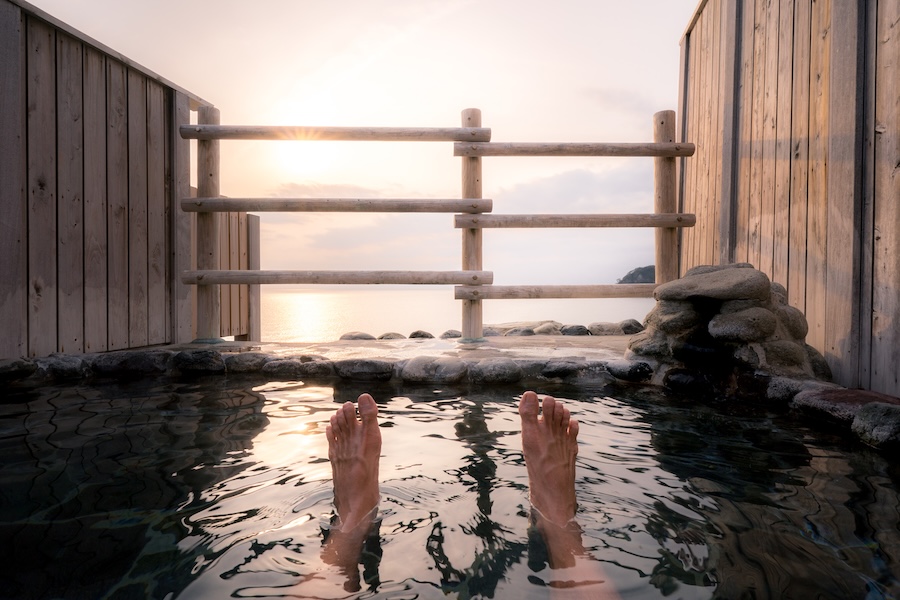
in mountain towns (snow/ice), on stations (time), on platforms (wind), and in onsen locations (you'll want to arrive before dusk for optimum atmosphere).
Trains are more dependable and have greater connections, particularly on well-traveled lines.
Winter isn’t only about snow, Tokyo-area winter often means dry cold + blue skies, with snow more likely once you head into the mountains.
What usually happens: You hop on, everything’s punctual, and you wonder why your city can’t behave like this.
What can go wrong: Leaving too late = crowds + missed connections.
What helps: Start early, reserve seats if available, and keep your day-trip plan saved offline.
What usually happens: The air gets colder, and suddenly your “Tokyo coat” feels like a suggestion.
What can go wrong: Slippery spots after snow or rain.
What helps: Shoes with grip + layers you can adjust.
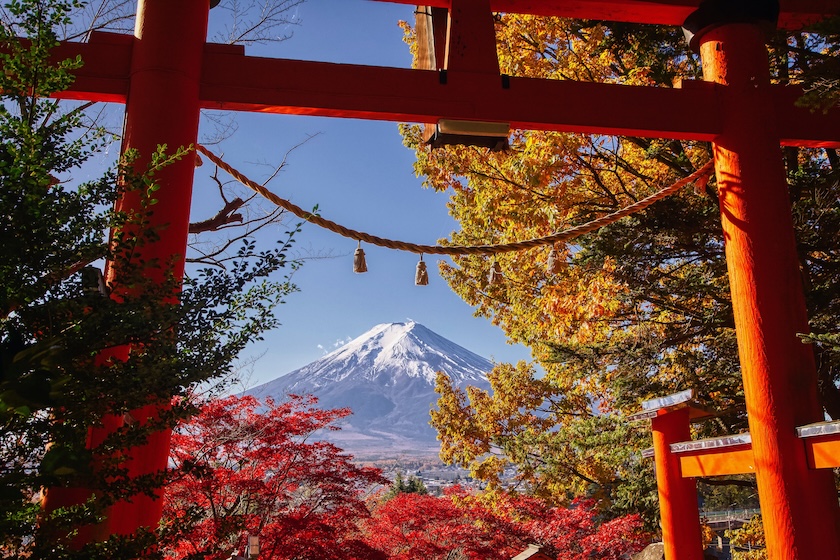
What usually happens: You soak, you exhale, you become a calmer version of yourself.
What can go wrong: Showing up too late and rushing the experience.
What helps: Aim for daylight travel, and plan the onsen portion as your “main event.
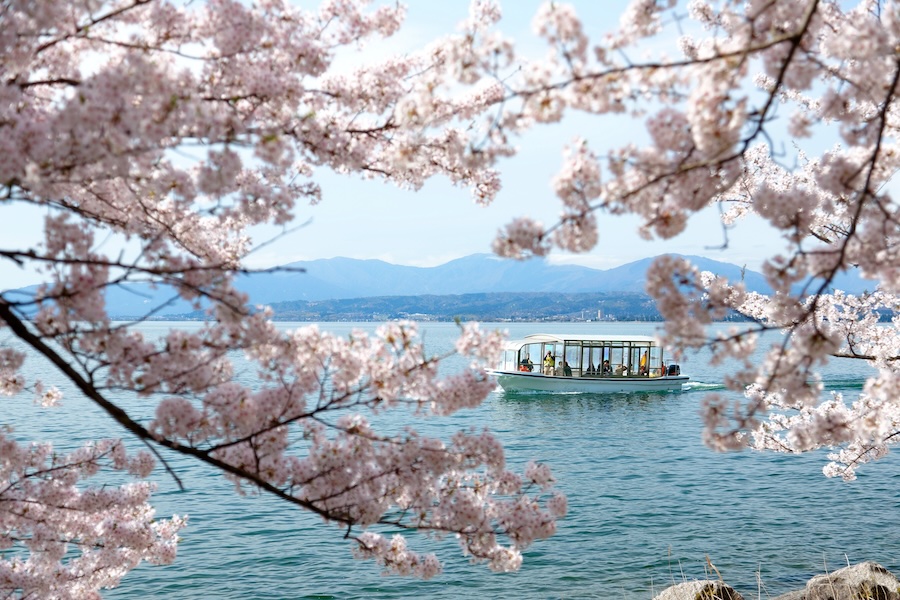
What usually happens: Winter can bring clearer views—when the weather cooperates.
What can go wrong: Clouds. Always clouds.
What helps: Have a Plan B (museum, café, local food) so the day still wins.
Especially helpful for:
First-time visitors to Japan
Couples and solo travellers
Families with children or strollers
Travellers doing multiple cities by train
Winter travellers looking for snow or onsen
Things to consider if you have:
Mobility issues: Expect icy or uneven paths; move slowly and choose easy routes.
Small children: Plan shorter walks and allow extra time.
Cold/dry sensitivity: Dress in layers and stay hydrated.
Tight budget: Pack versatile layers to avoid buying extra winter gear.
Not critical but still nice to know if:
Visited Japan before: Winter conditions still affect packing and timing.
Staying only in Tokyo: Snow is rare, but expectations help avoid surprises.
No winter day trips planned: Light snow or cold can still affect daily plans.
Big cities (Tokyo, Osaka, Kyoto): Easy transport, good English support, cards widely accepted, but crowded stations.
Smaller towns / rural areas: Quieter, colder in winter, less English, cash more useful.
Tourist hotspots: Clear signage and services, but busy paths and stricter etiquette at temples.
Quieter neighbourhoods: Fewer crowds, but snow or ice may linger longer.
Keep in mind:
Etiquette is stricter in temples and traditional areas.
English support drops outside major cities.
Cash is still useful in local shops.
Large luggage is harder in crowded or hilly areas.
Winter (Dec–Mar): Dress in layers, expect colder mornings, and allow extra time on snowy days.
Short city break: Choose easy, close day trips with minimal transfers.
Multi-city rail trip: Build buffer time and plan passes in advance.
Slow travel: Stay flexible and enjoy weather-dependent plans as they come.
Check winter weather averages for your travel dates.
Decide on transport (JR Pass or regional pass) based on planned day trips.
Book accommodation near major stations to reduce winter walking.
Download key apps (maps, rail, weather).
Arrange Pocket Wi-Fi or a data SIM in advance.
Note basic etiquette for trains, temples, and onsen.
Clothes & gear
Warm layers (jacket, sweater, scarf)
Comfortable shoes with good grip
Gloves and warm socks
Tech & essentials
Phone with maps and transport apps
Pocket Wi-Fi or data SIM
Portable charger
Money & basics
Some cash for small shops
IC card (Suica/PASMO) for transport
Mental checklist
Check weather the night before
Allow extra travel time
Follow station and staff guidance
Do’s
Do dress in layers for changing winter temperatures.
Do wear shoes with good grip in case of snow or rain.
Do allow extra travel time on winter mornings.
Do check the weather forecast daily.
Do follow station signs and staff instructions.
Do keep your voice low on trains.
Do pack light if you’re doing day trips or moving between cities.
Don’t block train doors or walkways.
Don’t rush on wet or icy pavements.
Don’t overpack heavy winter gear for Tokyo-area trips.
Don’t plan tight train connections in winter.
Don’t assume everywhere takes cards outside big cities.
Don’t wear smooth-soled shoes in winter.
Don’t ignore weather alerts before day trips.
Apologise briefly and politely (a simple sumimasen works).
Ask station or hotel staff for help if plans change.
Follow signs and announcements in stations.
Use maps and transport apps to reroute calmly.
Couple on a 10-day city trip:
Base yourselves in Tokyo, book one winter day trip (onsen or snow area), and keep evenings free for dining and neighbourhood walks.
Family visiting multiple cities:
Choose easy, well-connected day trips, stay near major stations, and use Meet & Greet to reduce airport stress and get guidance with luggage and trains.
Solo traveller or budget backpacker:
Travel light, use rail passes to control costs, and stay flexible with timing based on weather.
Multi-city rail travellers:
Book passes before arrival, allow buffer time on winter travel days, and check conditions before long train journeys.
JR Pass: Best if you’re travelling long distances or doing multiple intercity day trips from Tokyo (e.g. Nikko, Hakone area, ski resorts).
Regional Pass: Better value if you’re focusing on one specific area around Tokyo (e.g. Kanto or JR East routes) and doing fewer long trips.
Yes, winter brings clearer air, a cozy onsen season, and fewer crowds in some areas. It’s a high-reward, low-effort upgrade.
Absolutely, head to ski/snow areas like Gala Yuzawa for reliable snow vibes.
Hakone is the classic, popular, scenic, and very doable by rail.
Hakone is often considered the best day trip from Tokyo, it’s easy to reach, offers hot springs, mountain scenery, and great views, and works year-round.
Gala Yuzawa is the best and easiest day trip from Tokyo to see snow. It’s reachable by direct Shinkansen in about 75–90 minutes, has reliable snowfall in winter, and doesn’t require an overnight stay.
Why should I book with JapanDen?
How do I book a hotel or ryokan through JapanDen?
What types of accommodations do you offer in Japan?
How can JapanDen help with planning my trip?
As well as booking accommodation, JapanDen is a place to learn more about Japan and how you can make the most of your time in this special country. From in-depth region guides to stories from Japan, we’ll be regularly publishing carefully curated insights from Japanese culture, with recommendations for the best activities and attractions and the latest news. Looking forward, we’ll also be adding special community features so you can share ideas and inspiration with like-minded people. Please come back and visit us regularly as we continue to add new content. We want JapanDen to be your home away from home too.
Do you offer guided tours in Japan, and how can I book one?
As part of the JRPass.com group, we offer a dedicated Meet and Greet service with expert personal assistance on your arrival in Japan booked via JRPass.com, alongside nationwide and regional rail passes for travel. As JapanDen grows, we will be offering more services and activities to provide a complete Japan travel experience.
Can I purchase Japan Rail Passes through your website?
JapanDen is part of the JRPass.com group, book your passes and tickets directly on JRPass.com
.jpg)