Christianity in Japan: A Pilgrimage to Nagasaki's Hidden Christian Heritage

Japan is not the first place most travelers associate with Christianity — yet tucked into the hills and islands around Nagasaki lies one of the world's most quietly extraordinary pilgrimage routes. Twelve UNESCO World Heritage Sites trace the story of the Kakure Kirishitan, communities that kept their Catholic faith alive underground for 250 years. Whether you're drawn by faith, history, or sheer fascination, this is one of the most moving travel experiences in Japan.
The Hidden Christians (Kakure Kirishitan) were Japanese Catholic communities who kept their faith secret during 250 years of persecution from 1614 to 1873. Today, you can follow their trail through 12 UNESCO-listed sites across Nagasaki city, the Shimabara Peninsula, Hirado, Ikitsuki Island, and the Goto Islands.
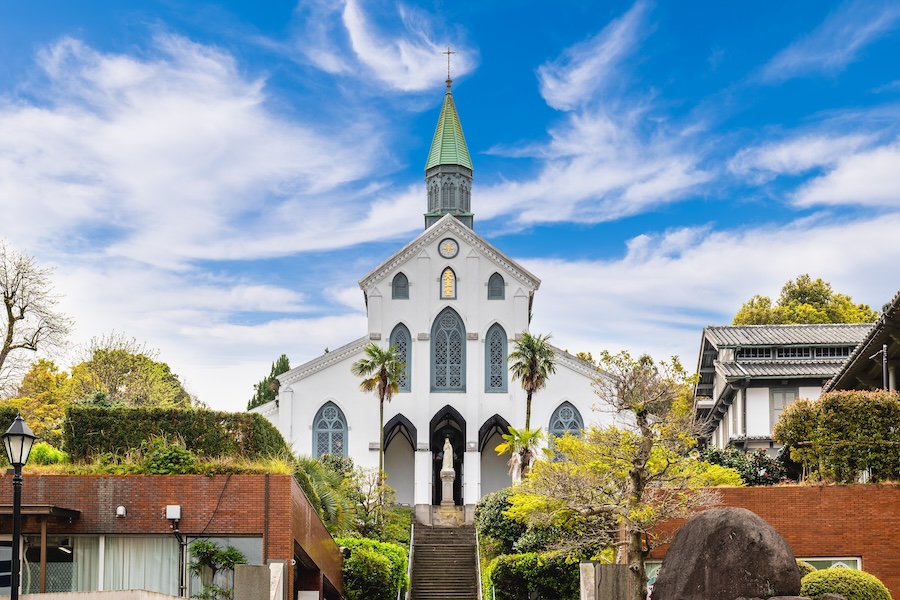
Inscribed in 2018, the hidden Christian sites UNESCO listing covers 12 locations across Nagasaki Prefecture. Here's how to group them for a realistic visit:
Oura Cathedral — Japan's oldest standing church (1864), it is the site where, in 1865, a priest was approached by villagers who revealed they had been Christians in secret for generations.
Twenty-Six Martyrs Museum & Monument at Nishizaka — This site commemorates the martyrs of Japan crucified in 1597 on the orders of Toyotomi Hideyoshi.
Hara Castle Ruins — This is the site of the Shimabara Rebellion, where roughly 37,000 Christians were massacred in 1638.
Ono Church, Shitsu Church & Endo Shusaku Literary Museum — These sites bring together the rebuilt village churches and the literary world of Silence, the novel set amid the Kirishitan persecution.
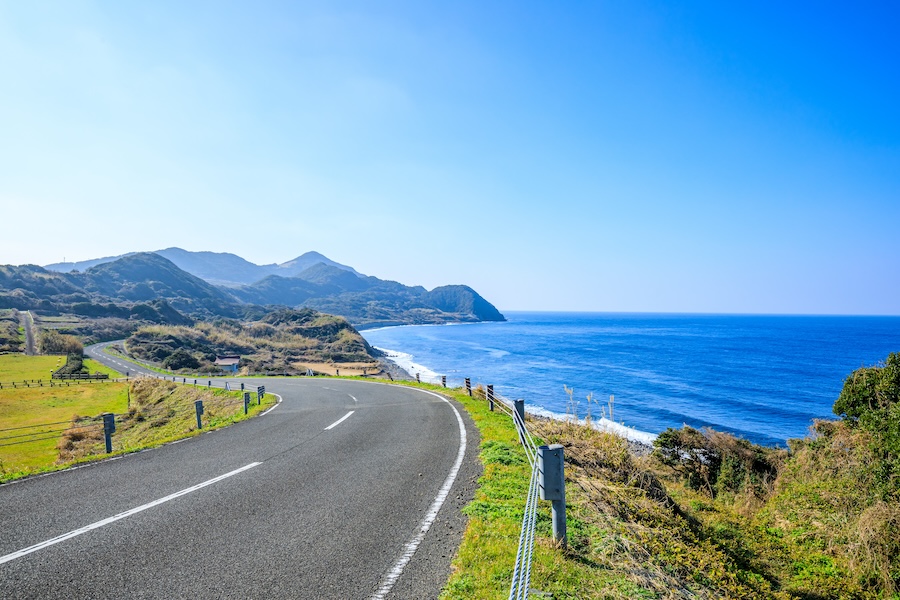
Kasuga & Sakitsu Villages, Hirado, Ikitsuki Island (pictured below), and the Goto Islands Churches — These include Egami Church on Naru Island (advance permission required) and the striking Kashiragashima and Hisaka churches.
Day 1: Take the Shinkansen from Tokyo to Nagasaki via Hakata. A JR Pass covers the bulk of this route, and pairing it with a Kyushu Rail Pass covers local legs efficiently. Overnight in Nagasaki city.
Day 2: Visit Oura Cathedral, the Nishizaka Martyrs Monument, the Glover Garden, and the Atomic Bomb Museum. Find your base through JapanDen's Nagasaki hotel listings for the first two nights.
Day 3: Take a day trip to Shimabara to see the Hara Castle ruins and Sotome, then return to Nagasaki in the evening.
Day 4: Take the ferry to Hirado and on to Ikitsuki Island, then overnight in Hirado.
Day 5: Take the ferry to the Goto Islands to visit Kashiragashima Church and Sakitsu Village. The connections here are time-sensitive, so keep a Pocket Wi-Fi on hand for live schedules. If you're arriving from overseas, a Meet & Greet service at Fukuoka Airport is worth adding to your booking.
Fewer than 100 active Hidden Christians remain on Ikitsuki Island today, down from around 10,000 in the 1940s. The Shimano-yakata Museum documents their syncretic folk religion, which blended Catholic prayers with Buddhist and Shinto practice over centuries of isolation. Treat any visit here as a quiet observation rather than sightseeing.
Many of these Nagasaki churches are still functioning Catholic parishes.
Photography: Check each church individually before taking out your camera, as many prohibit interior photography during or before mass.
Dress code: Cover your shoulders and knees out of respect for the communities that still worship here.
Egami Church (Naru Island): This church requires advance booking through the Nagasaki World Heritage Information Center, so plan at least two weeks ahead.
Francis Xavier arrived in Japan in 1549 and laid the foundation for a mission that would eventually draw around 300,000 converts over the following fifty years (source). Hideyoshi's 1587 edict and the execution of the 26 Martyrs of Japan in 1597 began the crackdown. The Tokugawa shogunate issued a complete ban on Christianity in 1614; the Shimabara Rebellion of 1637–38 ended open resistance, with an estimated 37,000 Christians killed at Hara Castle (source). Survivors hid their faith inside Maria Kannon figurines and passed prayers down through generations. The 1865 rediscovery at Oura Cathedral shocked the Catholic world. Religious freedom was restored in 1873, after which some Hanare Kirishitan returned to Rome while others continued the independent Kakure Kirishitan tradition.
Nagasaki's Portuguese-era food legacy is delicious: try castella (sponge cake), champon (thick noodle soup), and sara udon. Pair the pilgrimage with the Gunkanjima boat tour, the Glover Garden, and the Atomic Bomb Museum.
Spring (March–May) and autumn (October–November) are ideal. Avoid the typhoon season (August–September), especially for the Goto Islands ferry crossings.
Nagasaki city: Plan 1–2 nights here as your base for city sites and Shimabara day trips.
Hirado: One night is enough in this beautifully preserved castle town.
Goto Islands: Budget at least 2 nights to cover the main churches without rushing.
Browse JapanDen's hotel listings for Nagasaki, Hirado, and the Goto Islands to find the right fit for each stop.
Q: Are there still Hidden Christians in Japan?
A: Yes, fewer than 100 active practitioners remain on Ikitsuki Island, down from around 10,000 in the 1940s. The tradition is now classified as a distinct folk religion, separate from mainstream Catholicism.
Q: Can you visit Oura Cathedral?
A: Yes, Oura Cathedral is open daily as both a museum and an active Catholic church. It is Japan's oldest standing Western-style building and the site of the 1865 rediscovery of the Hidden Christian communities.
Q: What does "Kakure Kirishitan" mean?
A: It translates as "Hidden Christians" — Japanese Catholics who preserved their faith underground during the 1614–1873 ban, some of whom continued their independent practice even after the ban was lifted.
Q: What is the Christianity percentage in Japan today?
A: Christianity accounts for roughly 1–2% of Japan's population, which makes the 250-year survival of the Hidden Christian tradition all the more remarkable.
Why should I book with JapanDen?
How do I book a hotel or ryokan through JapanDen?
What types of accommodations do you offer in Japan?
How can JapanDen help with planning my trip?
As well as booking accommodation, JapanDen is a place to learn more about Japan and how you can make the most of your time in this special country. From in-depth region guides to stories from Japan, we’ll be regularly publishing carefully curated insights from Japanese culture, with recommendations for the best activities and attractions and the latest news. Looking forward, we’ll also be adding special community features so you can share ideas and inspiration with like-minded people. Please come back and visit us regularly as we continue to add new content. We want JapanDen to be your home away from home too.
Do you offer guided tours in Japan, and how can I book one?
As part of the JRPass.com group, we offer a dedicated Meet and Greet service with expert personal assistance on your arrival in Japan booked via JRPass.com, alongside nationwide and regional rail passes for travel. As JapanDen grows, we will be offering more services and activities to provide a complete Japan travel experience.
Can I purchase Japan Rail Passes through your website?
JapanDen is part of the JRPass.com group, book your passes and tickets directly on JRPass.com