Architecture in Tokyo: A Design-Lover's Guide to the City's Built History
Read Tokyo's rebuilt history
Tokyo has been rebuilt so many times that its architecture reads in layers, not one style. Edo joinery, 1930s brick, 1964 concrete, and 2020s timber sit on the same block — not one aesthetic, but many. This guide is for travellers who want to understand the architecture they're seeing, not just photograph it: first-timers wanting a theme, repeat visitors who look past the postcards, and anyone chasing Tange, Ando, or the Metabolists.
Here's a quick snapshot to see if this guide fits your trip:
At A Glance |
|
Topic type |
Design travel, mostly self-guided walking |
Best time to think about this |
While planning your trip, before you book hotels |
Good for |
Design fans, photographers, slow travellers, repeat visitors |
Risk if you skip it |
You'll walk past Tokyo's best buildings without knowing it |
Tokyo's architecture is what's left after repeated destruction: the 1923 earthquake, 1945 firebombing, then a fast postwar boom through 1964. Each wave left its own style, and the eras now sit side by side.
Little original wood survives centrally. Even Senso-ji, which looks Edo-period, has a 1958 concrete main hall rebuilt after bombing. Real joinery survives mainly at the Edo-Tokyo Open Air Architectural Museum in Koganei (Musashi-Koganei Station, about 20 minutes on foot or a 5-minute bus ride), plus machiya near Yanaka Ginza (Nippori Station) and Kagurazaka (Kagurazaka Station).
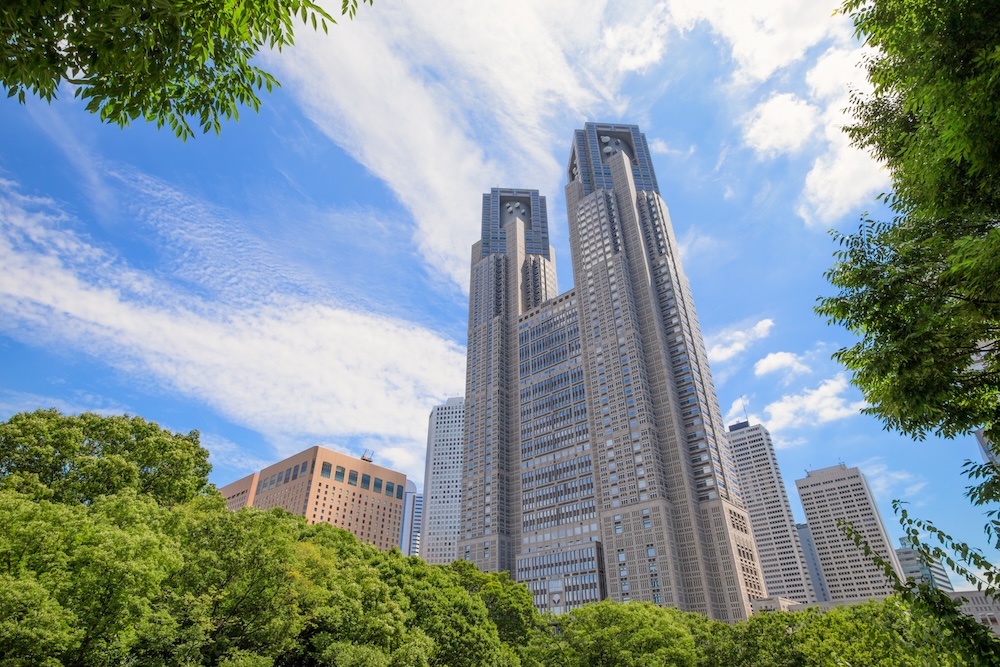
Kenzo Tange defined this era with the 1964 Yoyogi National Gymnasium and the 1991 Tokyo Metropolitan Government Building (pictured above), whose observatories are free. His peers pushed into Metabolism, imagining living buildings; its icon, Nakagin Capsule Tower, was demolished in 2022, though capsules now sit in museums like SFMOMA.
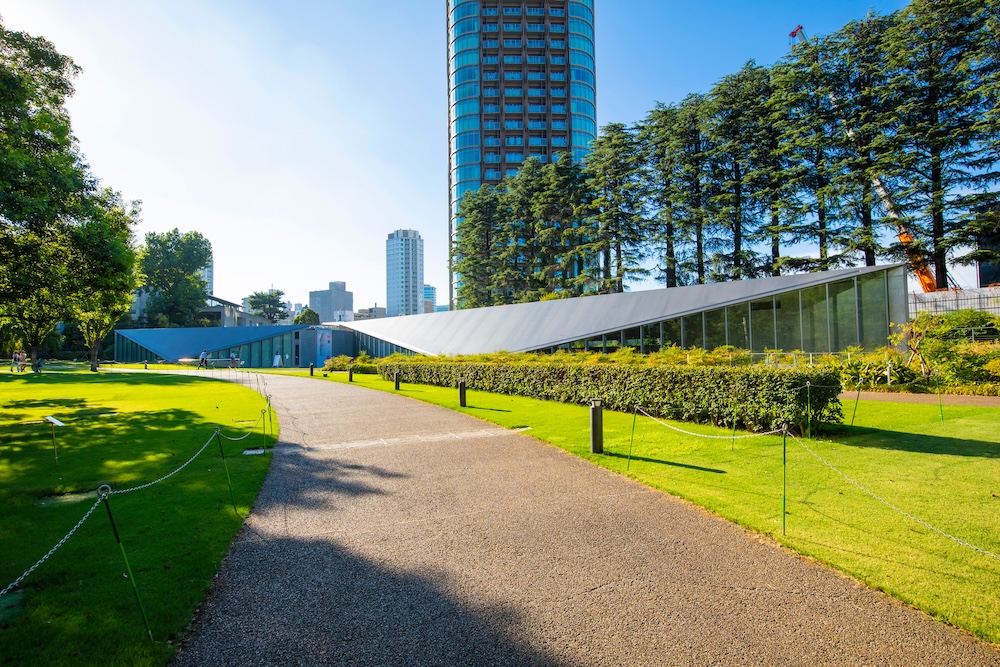
Tadao Ando's 21_21 Design Sight and Kengo Kuma's Nezu Museum anchor Tokyo's current design scene, both a short walk from flagship stores like Prada Aoyama and Tod's Omotesando (Omotesando Station) — easy to pair with a shopping afternoon. A temple gate, a Tange tower, and a glass flagship on one block is why Tokyo reads differently than most cities.
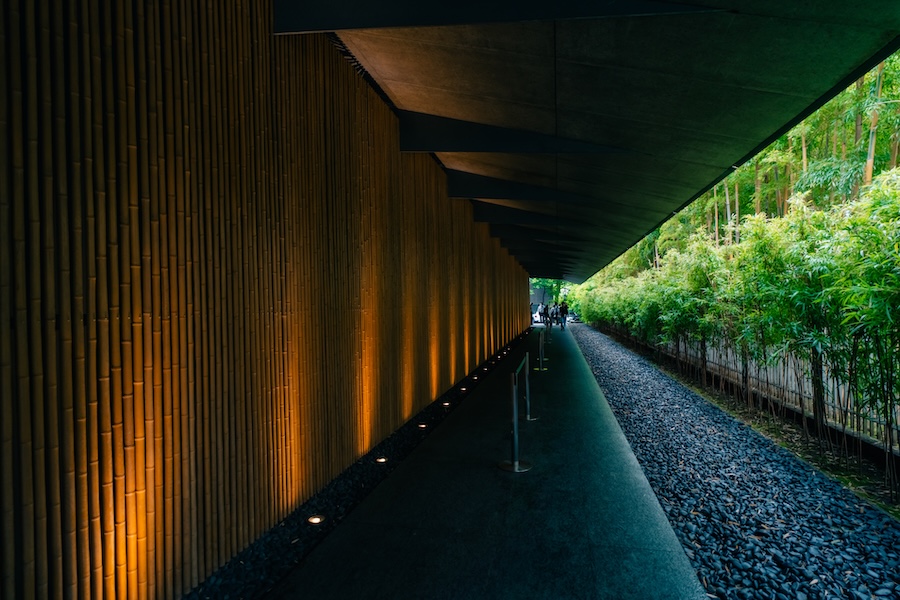
Expect scheduling quirks and photo rules more often than the buildings themselves.
Omotesando walk (Omotesando Station): Pass Prada, Tod's, and the Nezu Museum without realising it — worth pairing with more Tokyo attractions and activities if you're building out the day.
TMG observatories: Free, but no tripods; bring a handheld setup.
Edo-Tokyo Open Air Architectural Museum: Closed Mondays.
21_21 Design Sight: Admission shifts with the exhibition, roughly ¥1,200–¥1,600, depending on the exhibition (confirm current pricing before your trip).
Ueno Park (Ueno Station): Le Corbusier's National Museum of Western Art, a UNESCO site since 2016, is easy to walk past.
This theme suits first-timers, photographers, students, and repeat visitors wanting a fresh route. It's less suited to travellers with mobility needs, since several historic buildings aren't step-free — though picking somewhere central to both design routes helps cut down on travel between sites.
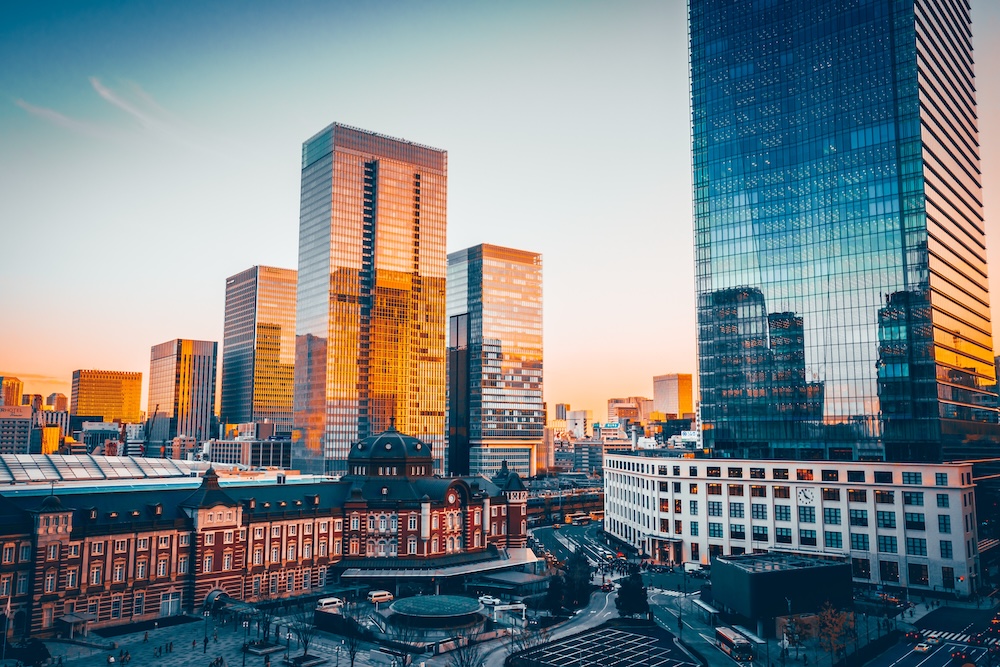
Omotesando, Marunouchi, and Roppongi, all on major JR and subway lines, are English-friendly and card-based. Tokyo Station's 1914 brick facade, restored in 2012, faces Marunouchi's glass towers directly. Koganei is quieter and more cash-reliant.
Spring and autumn bring crowds to Ueno and Yoyogi Parks, and many sites cut hours over New Year, so it's worth checking seasonal travel timing before you book.
A little prep before you leave saves time once you're on the ground.
Check exhibition venues like 21_21 Design Sight (pictured above) for current hours, and weigh a JR Pass or regional pass if combining this with other cities.
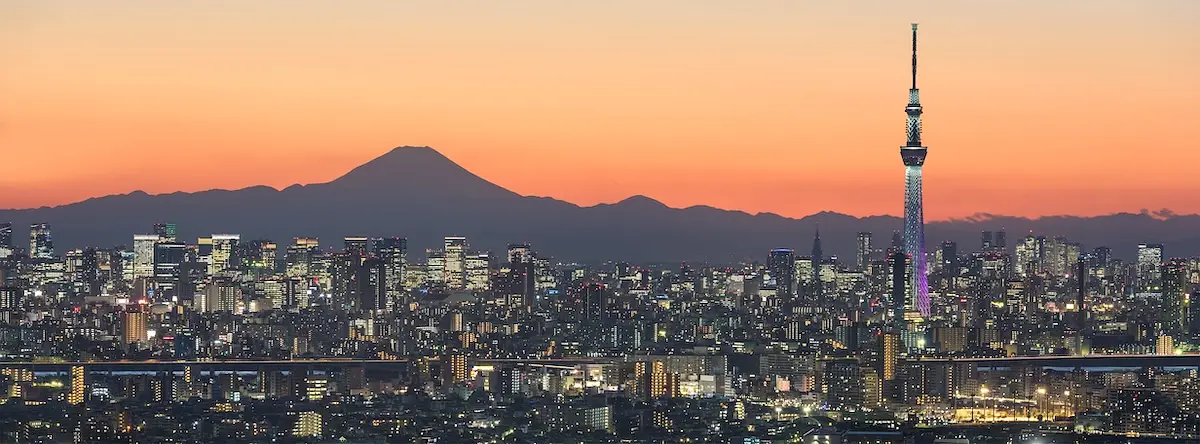
Book a hotel near Omotesando or Marunouchi (pictured below) to stay close to both routes.
Pack comfortable shoes, a charger, cash or an IC card, and a Pocket Wi-Fi for looking things up.
Bookmark this part — it's the cheat sheet for actual site visits.
Do: Check if a building is private before entering, visit weekday mornings, carry cash, confirm closing days, wear removable shoes.
Don't: Expect Nakagin Capsule Tower to exist, use tripods at TMG observatories, shoot retail interiors unasked, assume daily opening, or skip checking admission prices.
Quick fix: Apologise, step back, and ask staff or check signage if you end up somewhere you shouldn't.
This route works standalone or as one leg of a longer trip.
Couple, 10 days: Land with Meet & Greet pickup, base near Omotesando, cover the design mile and Marunouchi, then JR Pass onward to Kyoto.
Family: Stick to free stops — Yoyogi Park, TMG observatories, Tokyo Station plaza.
Solo, tight budget: Treat Koganei as a day trip; use free viewpoints elsewhere.
Rail traveller: Pair with Naoshima's art-island architecture via JR Pass through Tokyo, Okayama, and the ferry crossing.
Here are the questions travellers ask most before an architecture-focused trip:
Q: Is Tokyo a good city for architecture lovers?
A: Yes, it packs multiple architectural eras into a compact, walkable set of central neighbourhoods.
Q: What architectural style is Tokyo best known for?
A: No single style dominates; postwar modernism, Metabolism, and starchitecture sit closely together.
Q: Where can I see traditional Japanese architecture in Tokyo?
A: The Edo-Tokyo Open Air Architectural Museum in Koganei holds the largest cluster of genuine period buildings.
Q: Is the Nakagin Capsule Tower still standing?
A: No, demolished in 2022, though salvaged capsules sit in museums worldwide.
Q: Can you visit Tadao Ando buildings in Tokyo?
A: Yes, 21_21 Design Sight in Roppongi is his most accessible public building.
Q: Is the Tokyo Metropolitan Government Building free to visit?
A: Yes, both 45th-floor decks are free, though hours can vary.
Q: How many days do you need for an architecture trip to Tokyo?
A: Two days cover the core routes; add a third for Koganei.
Q: Is it rude to photograph buildings in Tokyo?
A: Exteriors are generally fine, but check signage before photographing private interiors.
Q: What is Metabolism architecture?
A: A 1960s Japanese movement imagining buildings as adaptable, growing, organism-like structures.
Q: Are there guided architecture tours in Tokyo?
A: Yes, small-group tours exist around Omotesando and Roppongi, though this guide works self-guided.
Why should I book with JapanDen?
How do I book a hotel or ryokan through JapanDen?
What types of accommodations do you offer in Japan?
How can JapanDen help with planning my trip?
As well as booking accommodation, JapanDen is a place to learn more about Japan and how you can make the most of your time in this special country. From in-depth region guides to stories from Japan, we’ll be regularly publishing carefully curated insights from Japanese culture, with recommendations for the best activities and attractions and the latest news. Looking forward, we’ll also be adding special community features so you can share ideas and inspiration with like-minded people. Please come back and visit us regularly as we continue to add new content. We want JapanDen to be your home away from home too.
Do you offer guided tours in Japan, and how can I book one?
As part of the JRPass.com group, we offer a dedicated Meet and Greet service with expert personal assistance on your arrival in Japan booked via JRPass.com, alongside nationwide and regional rail passes for travel. As JapanDen grows, we will be offering more services and activities to provide a complete Japan travel experience.
Can I purchase Japan Rail Passes through your website?
JapanDen is part of the JRPass.com group, book your passes and tickets directly on JRPass.com