7-Day Japan Solo Travel Itinerary: Tokyo → Hakone → Kyoto → Osaka
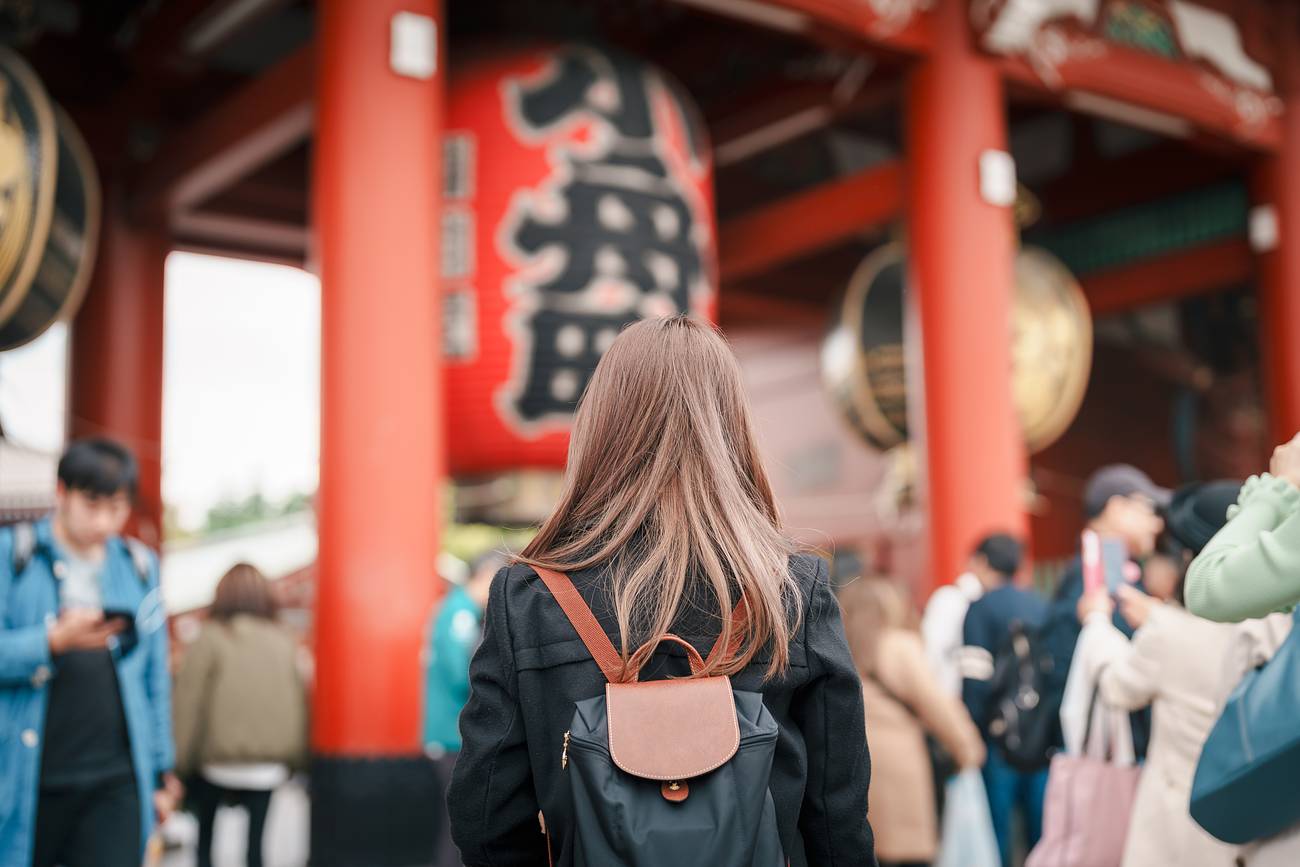
Exploring Japan alone offers the perfect mix of freedom and discovery. This Japan solo travel itinerary is designed for independent travelers who want to see the country’s highlights in just seven days—without feeling rushed. You’ll move from Tokyo’s neon buzz to Hakone’s quiet onsens, then on to Kyoto’s timeless streets and Osaka’s food-filled nightlife.
Japan is one of the safest and most organized countries for solo travelers. Whether you love art, food, nature, or culture, this route offers balance: exciting cities, scenic relaxation, and cultural depth. With reliable public transit and friendly locals, navigating Japan alone is not only easy but deeply rewarding.
Day |
Destination |
Theme |
Overnight in |
1-2 |
Tokyo |
City life + culture |
Tokyo |
3 |
Hakone |
Hot springs + Mt. Fuji views |
Hakone |
4-5 |
Kyoto |
Temples + tradition |
Kyoto |
6-7 |
Osaka |
Food + nightlife |
Osaka |

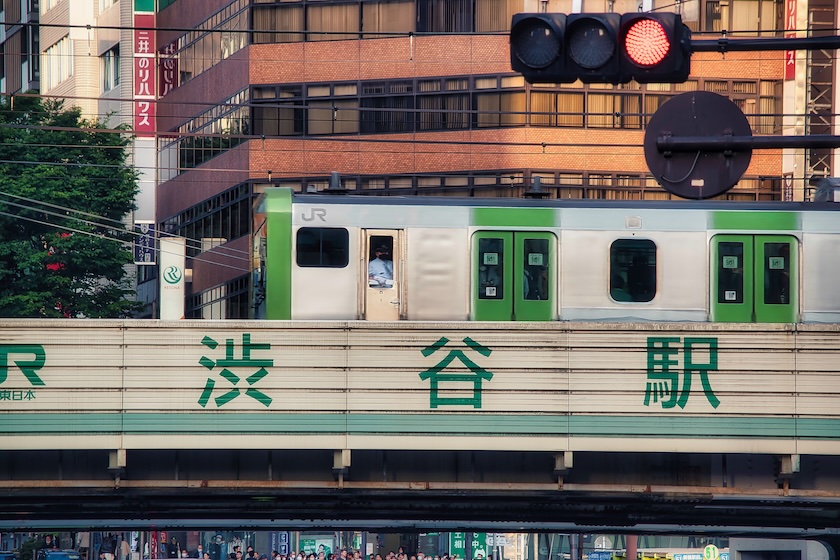
Shibuya Crossing for the world’s busiest intersection and skyline views from Shibuya Sky
Asakusa & Senso-ji Temple for Nakamise Street souvenirs and traditional snacks
Ueno Park for museum visits and seasonal cherry blossoms
Akihabara for tech shops, anime stores, and gaming arcades
Day trip option for teamLab Planets or Odaiba’s futuristic waterfront
Look for hotels in central, well-connected areas like Shinjuku, which is easy for solo travelers to navigate. A solid option is Hotel Listel Shinjuku.
Find hotels in Tokyo on JapanDen.
Solo dining is easy in Tokyo. Try:
Ichiran Ramen (private booths for solo diners)
Gonpachi Nishiazabu (for lively izakaya vibes)
Depachika food halls in train stations for take-out variety
For smooth travel to upcoming stops like Hakone, Kyoto, and Osaka, consider the JR Pass or a Regional Pass. It covers key routes such as Tokyo → Odawara and Odawara → Kyoto.
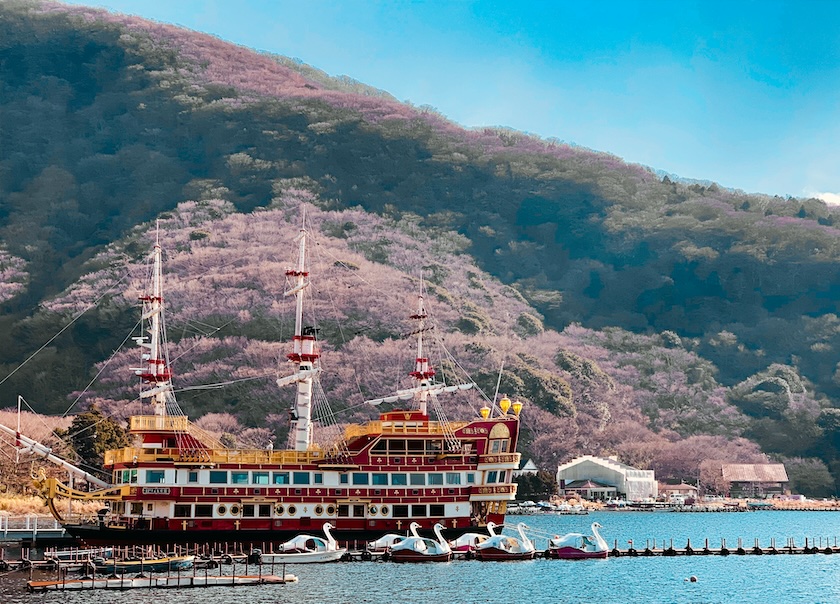
Lake Ashi Cruise (pictured above) for clear-day Fuji views while gliding across the water
Hakone Open-Air Museum for outdoor art installations surrounded by nature
Owakudani Valley for volcanic scenery and the famous black eggs
Onsen soak for a quiet solo retreat in public or private baths
Hakone Ropeway for wide mountain panoramas and easy scenic travel
Choose a ryokan close to the Hakone Tozan Railway for easy access to the region. For example, Tokinoyu Setsugetsuka is just a minute from Gōra Station, and all guest rooms include a private open-air bath.
Find hotels in Hakone on JapanDen.
Hatsuhana Soba Shinkan for handmade soba
Odawara Station bento shops for easy grab-and-go meals
Hakone-Yumoto eateries for quick noodles and tempura
Fushimi Inari Shrine for early-morning walks through thousands of red torii gates
Kinkaku-ji (Golden Pavilion) for iconic views of Kyoto’s golden temple
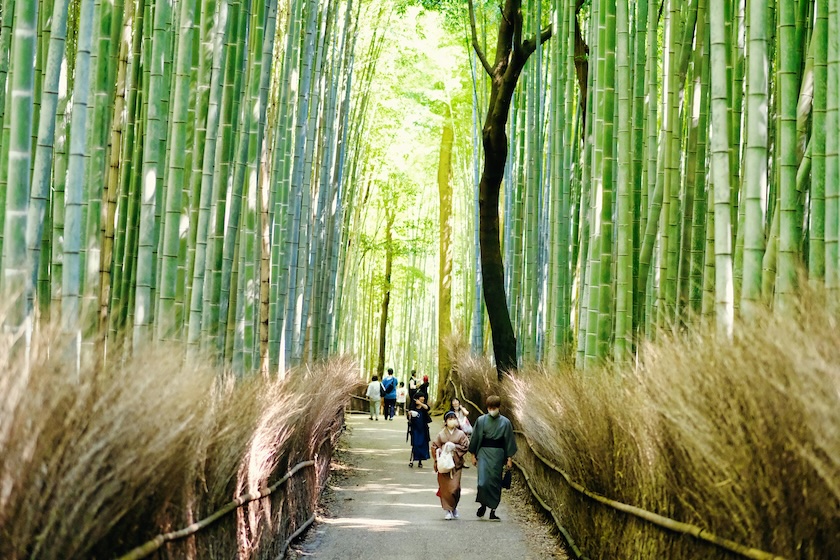
Arashiyama Bamboo Grove (pictured above) for quiet morning paths and nearby temples
Gion District for narrow lanes lined with traditional teahouses
Nishiki Market for matcha treats, tofu, and Kyoto-style pickles
Solo travelers will enjoy staying near Kyoto Station or in nearby areas. For example, Kyoto Yamashina Hotel Sanraku is just one stop from Kyoto Station via Yamashina Station.
Find hotels in Kyoto on JapanDen.
Ippudo Ramen for quick meals
Yudofu Sagano (or tofu hotpot
Gion Kappa for small plates and drinks
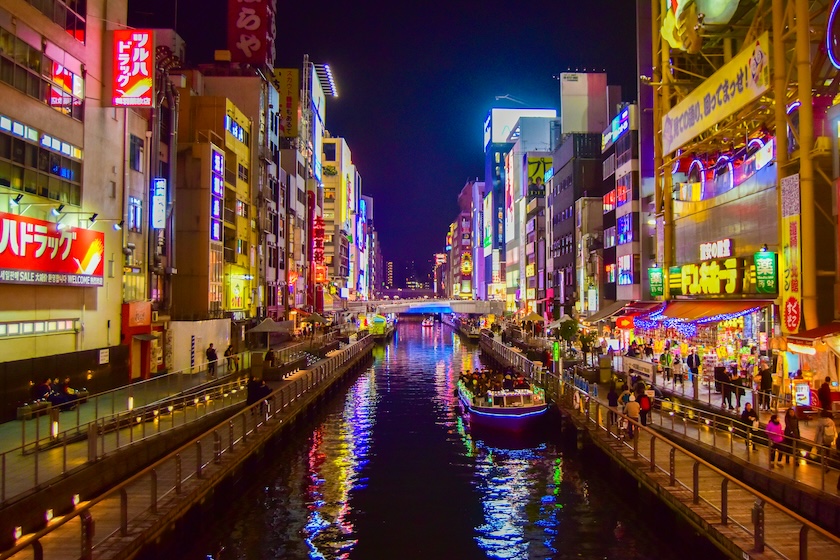
Dotonbori for neon lights, street food, and easy photo stops
Osaka Castle for historic architecture
Shinsekai for retro streets and kushikatsu skewers
Umeda Sky Building for rooftop sunset views
Day trip option for Nara’s friendly deer and Todai-ji Temple
Stay around central areas like Namba for nightlife and strong transit links. Namba Oriental Hotel is a convenient mid-range option in the heart of the district.
Find hotels in Osaka on JapanDen.
Dotonbori street stalls for takoyaki and okonomiyaki
Kuromon Ichiba Market for sushi and seafood snacks
Ichiba Shokudo for local homestyle meals
Yes, it is if you plan efficiently. A week gives solo travelers enough time to see major cities and enjoy both modern and traditional sides of Japan. Tokyo and Osaka provide urban excitement, while Hakone and Kyoto offer reflection and nature.
Budget travelers can expect around ¥6,000–¥8,000 per night for hostels or capsules, while mid-range solo hotels average ¥10,000–¥15,000.
Simple meals range from ¥800–¥1,200, while sit-down dinners might be ¥2,000–¥4,000. Japan’s convenience stores and ramen shops keep solo dining cheap and easy.
A 7-day JR Pass costs roughly ¥50,000, covering all long-distance routes. If focusing on one region, consider a Regional Pass (around ¥20,000–¥25,000). Local transit averages ¥1,000–¥1,500 daily. Book a Pocket Wi-Fi with your JR Pass for a seamless connection while navigating stations and maps.
Expect ¥5,000–¥10,000 total for museums, temple entries, and occasional experiences like hot springs or guided tours.
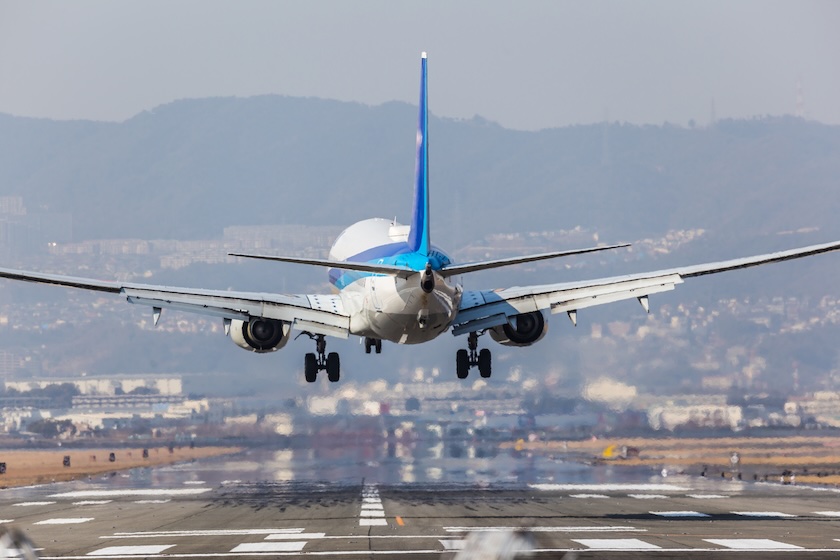
For arrival, most travelers fly into Haneda (HND) or Narita (NRT), and for departure, Kansai International Airport (KIX) in Osaka is the most convenient option. Meet & Greet services at Tokyo airports can help first-timers manage train connections stress-free.
Japan’s Shinkansen network is punctual and easy to use. Reserve seats where possible and arrive early for platform guidance. Keep your JR Pass handy at the gates.
Pocket Wi-Fi vs. eSIM
Choose Pocket Wi-Fi for the strongest all-day connection, or use an eSIM for a simple, app-based setup—both easy add-ons during your JR Pass checkout.
Shibuya Crossing in Tokyo for a must-see symbol of urban Japan
Hakone Open-Air Museum in Hakone for outdoor art set in nature
Fushimi Inari Shrine in Kyoto for stunning sunrise walks through torii gates
Nishiki Market in Kyoto for a lively culinary street
Dotonbori in Osaka for nonstop street food and neon energy
Inubosaki Lighthouse for coastal views
This solo travel Japan itinerary blends convenience, variety, and cultural depth. You’ll experience bustling cities, peaceful mountains, and timeless temples—all within one week.
Do I need a JR Pass for a 7-day trip?
It’s worth getting if your Japan solo travel itinerary for seven days includes more than one city, or long-distance routes, for example if you plan to visit Tokyo, Kyoto, and Osaka.
Is Japan safe for solo travelers?
Yes, Japan is one of the safest countries in the world for solo travel.
What’s the best time of year for solo travel in Japan?
Spring and autumn offer the most comfortable weather and scenery.
Do I need to speak Japanese?
No, but basic phrases make daily travel easier.
How can I meet other travelers?
You can meet people by staying in hostels or joining small group tours.
How much should I budget for a week in Japan?
Most solo travelers can expect to spend ¥80,000–¥120,000 for seven days.
Is Japan easy to navigate alone?
Yes, trains are frequent, clearly labeled, and easy to understand.
Can solo travelers dine alone in Japan?
Many restaurants welcome solo diners and even have single-counter seating.
Is it easy to get around with just a carry-on?
Yes, Japan’s trains and hotels accommodate small luggage.
Why should I book with JapanDen?
How do I book a hotel or ryokan through JapanDen?
What types of accommodations do you offer in Japan?
How can JapanDen help with planning my trip?
As well as booking accommodation, JapanDen is a place to learn more about Japan and how you can make the most of your time in this special country. From in-depth region guides to stories from Japan, we’ll be regularly publishing carefully curated insights from Japanese culture, with recommendations for the best activities and attractions and the latest news. Looking forward, we’ll also be adding special community features so you can share ideas and inspiration with like-minded people. Please come back and visit us regularly as we continue to add new content. We want JapanDen to be your home away from home too.
Do you offer guided tours in Japan, and how can I book one?
As part of the JRPass.com group, we offer a dedicated Meet and Greet service with expert personal assistance on your arrival in Japan booked via JRPass.com, alongside nationwide and regional rail passes for travel. As JapanDen grows, we will be offering more services and activities to provide a complete Japan travel experience.
Can I purchase Japan Rail Passes through your website?
JapanDen is part of the JRPass.com group, book your passes and tickets directly on JRPass.com