A traveler's guide to the world's best trains
Japan doesn’t just run trains; it stages a daily masterclass in efficiency and style. Trains in Japan are the best way to tie the whole fantasy together if you're planning temples, neon, and noodle runs because they're quick, on time, and everywhere. From train kinds to the facts about bullet trains in Japan, how to book, how much things cost, and the subtle etiquette movements that make you look like you were born on platform 12, this guide is your first-class briefing. This is your all-access rail pass, regardless of whether you're a first-timer, a family with a busy schedule, or a frugal ninja with a penchant for couture (accessories not included).
Main Types of Trains in Japan
Shinkansen (Bullet Trains)
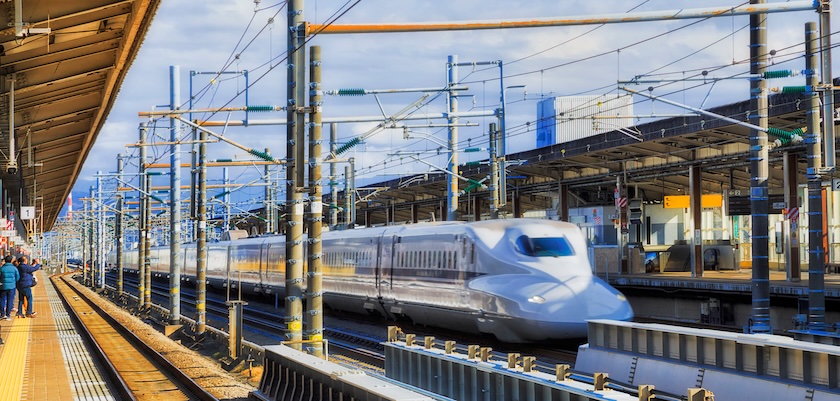
What it is: Japan's high-speed royal line that connects major cities at speeds of up to 320 km/h on some lines (for example, the Tōhoku Shinkansen's Hayabusa).
Use it when: Long distances: Tokyo to Sendai, Tokyo to Hiroshima, Tokyo to Kyoto–Osaka, or rushing into Kyushu.
Services/lines (examples): Hikari / Kodama (Tokaidō), Sakura (Sanyō/Kyushu), Hayabusa (Tōhoku), Kagayaki (Hokuriku). Nozomi/Mizuho are the fastest on Tokaidō/Sanyō but have special rules with the JR Pass.
Classes: Ordinary, Gran Class (premium seating; certain trains offer decreased service), and Green Car (first class) on a few JR East routes.
JR Pass: Covers the majority of Shinkansen trains, but not Nozomi or Mizuho by default; if you want to ride those services, JR currently sells a special add-on ticket. Otherwise, go for Hikari/Sakura, which is quick and completely covered.
TIP: If you are traveling with large bags, take into account the baggage regulations and reserve seats during Golden Week, Obon, and New Year. On the Tokaidō–Sanyō–Kyushu Shinkansen, oversized luggage (total dimensions >160 cm) require a reserved seat area.
Limited Express (Tokkyū)
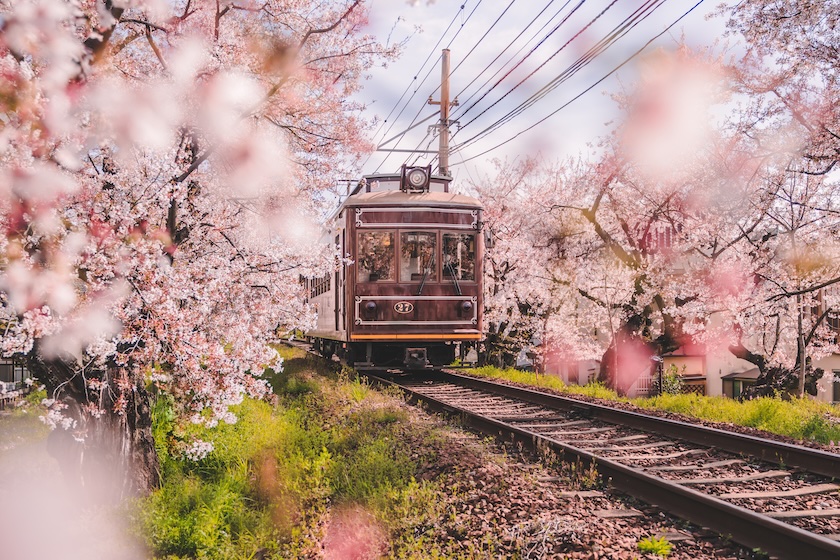
What it is: Fast intercity trains on regular tracks with comfortable seats for trips to the airport and along picturesque itineraries, whether reserved or not.
Use it when: There are no direct Shinkansen trains to your destination, including the Narita Express, Haruka, Thunderbird, Azusa, Hida, and more.
JR Pass: Covered (seat reservations are recommended during peak periods).
TIP: Excellent for transports from the airport to the city, Takayama, Kanazawa, Matsumoto, and the Kii Peninsula.
Express / Rapid (Kyūkō / Kaisoku)
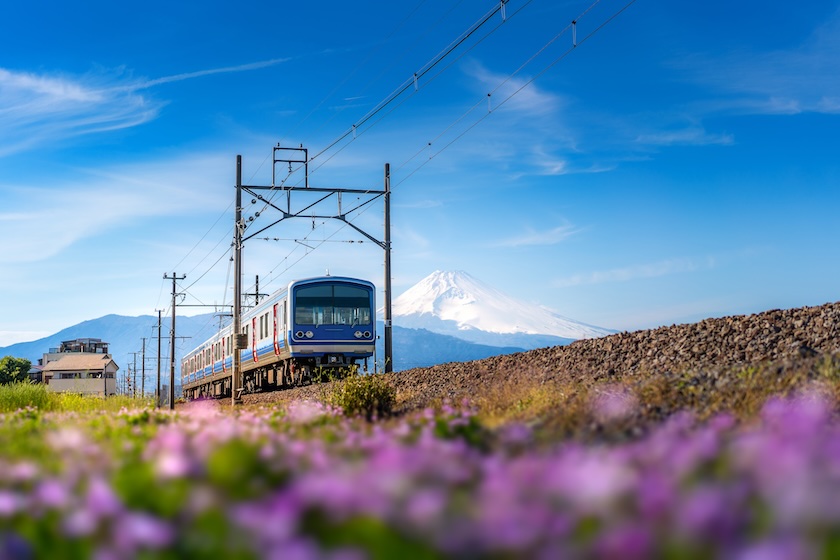
What it is: Fewer stops than locals, with no-nonsense acceleration for commuter belts and day trips.
Use it when: Shorter interstate hops are ideal for fitting in a castle-and-sweets type of afternoon.
JR Pass: Typically covered without surcharges on JR-operated services.
Local (Futsū) and Rapid-Local
What it is: The zen of travel, every stop, every town.
Use it when: Short distances, rural access, or when you’re romancing the countryside.
JR Pass: JR lines (not private rail) are covered.
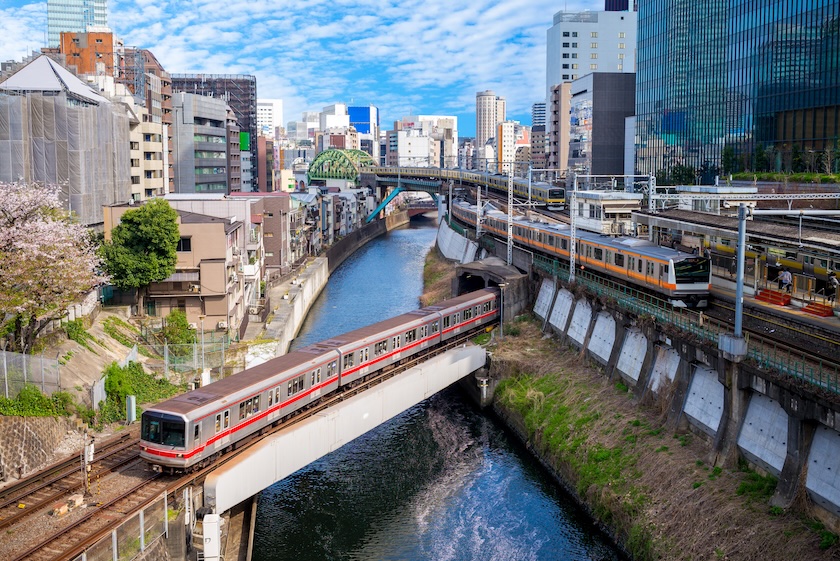
Subways and Metros
What it is: Cities such as Tokyo, Osaka, Kyoto, Sapporo, and Fukuoka have dense networks.
Use it when: In-city sightseeing days.
JR Pass: Not covered (they’re not JR). Use IC cards (Suica/PASMO/ICOCA) or city day tickets like the Tokyo Subway 24/48/72-hour pass. (Example price: 24-hour adult ¥800.)
Mini-callouts
Private railways (Odakyu, Keisei, Kintetsu, Tobu, etc.) are separate from JR, with their own tickets/passes.
Airport lines: Compare JR Narita Express/Haruka with private options (Skyliner, Rapi:t).
Monorails/Trams: Coverage varies; Tokyo Monorail is generally within JR Pass scope.
Buying Your Train Tickets
JR Pass
What is it?
A time-based, unlimited-travel pass for JR lines (7/14/21 days). Ideal for multi-city excursions with one or more Shinkansen legs (Tokyo-Kyoto/Osaka, Hiroshima, Sendai, etc.).
How to get one:
Purchase online before traveling (preferred) or in Japan at specified places. When you arrive, exchange your voucher for a passport. The JR Pass includes Shinkansen except for Nozomi/Mizuho, unless you purchase the extra add-on; Hikari/Sakura/Kodama/Tsubame are your go-tos.
Pros & cons
Pros: Predictable budgeting; simple seat reservations; excellent bargain if you stack long-distance rides.
Cons: Does not cover subways or private rail; Nozomi/Mizuho are excluded by default; single-city journeys may not pay off.
If your itinerary involves many destinations (e.g., Tokyo - Kyoto/Osaka - Hiroshima), the JR Pass is a cost-effective alternative, particularly for 7-day journeys with multiple Shinkansen segments.
Regional Tickets / Regional Passes
What is it?
Area-specific unrestricted travel (e.g., JR East Pass, Kansai Area Pass, Hokkaido Rail Pass, and JR TOKYO Wide Pass). Ideal for concentrated itineraries and gradual travel.
How to get one:
Purchase a Regional Pass online or at major stations in the region; keep your passport handy. The rules (seat reservations/blackouts) differ each pass.
Pros & cons
Pros: Cheaper than nationwide for one-region adventures; frequently includes airport connections.
Cons: A regional ticket does not allow you to travel across the country.
If you're traveling from Kyoto to Nara to Osaka without leaving Kansai, a Kansai Area Pass (2-day) is generally a better deal than a nationwide pass.
Pay-as-You-Go (IC Cards)
Tap in, tap out, live your best platform life. Pair IC with any pass for city days when you’re riding subways, buses, and private lines. (Example subway day ticket above for Tokyo.)

Practical Tips for Riding Trains in Japan
Reservations
Reserve Shinkansen/Limited Express seats at green machines or online through JR East (Ekinet), JR-West Online Reservation, or SmartEX (Tokaido/Sanyō/Kyushu Shinkansen). E-tickets can be linked to your IC card on JR East routes.
Baggage rules
On the Tokaido-Sanyō-Kyushu Shinkansen, big baggage (>160 cm total dimensions) requires a reserved "oversized baggage area" seat, so no additional pay above the standard reserved-seat fare, just the specific seat type. General regulations also include keeping objects stable and being aware of crowds.
Peak times
Weekday peak hours are 7:30-9:30 and 17:00-19:30 (varies by city). Reserve early and allow for transfer time during busy seasons such as Golden Week, Obon, and New Year. (Most local networks operate from 05:00 to around midnight, so check your specific line.).
Etiquette
Queue behind platform lines; turn phones to silent; keep voices low; no eating on locals (snacks are permitted on Shinkansen/Limited Express). During rush hours, certain lines run cars exclusively for women; pay attention to signage and times.
Accessibility and families
Major stations offer elevators, wide gates, nursing rooms, and multi-purpose facilities; strollers are permitted. Coin lockers are available at major hubs (arrive early on weekends to secure one).
Navigation
English signage is everywhere: color-coded lines, station numbers, and legible platform boards. By the second day, you'll be able to switch trains with ease.
Apps and planning
For platform numbers and delays, use official tools such as JR East reservations (Ekinet), JR-West Online, and SmartEX, as well as your preferred live route planner. Stable data distinguishes between "lost in translation" and "I own this station." Pocket Wi-Fi keeps those maps, warnings, and e-tickets illuminated but also a sim card can help you.
Safety and punctuality
Trains in Japan are well-known for arriving on schedule. If you miss the last train (about midnight), you can take a taxi, stay in a capsule hotel, or stay up till the first train at ~05:00. Always validate the particular line that night.
How to Pay
Pass: Show your pass at manned gates or use reserved-seat tickets.
IC card: Tap in/out across JR, subways, and private rail.
Day tickets can beat IC if you’re planning to skip back and forth across the city all day (see Tokyo Subway Ticket example).
Conclusion
Japan's train network is the most elegant method to travel long distances—safe, swift, and remarkably predictable. Choose the JR Pass if you're visiting many cities and taking long-distance rides. Sticking to a single region? A Regional Pass is your stylish, cost-effective wingman. Staying primarily in one city? Load an IC card, then glide. Add Pocket Wi-Fi to avoid losing your maps and bookings as you go between platforms.
FAQs About Trains in Japan
How fast are bullet trains in Japan?
Up to 320 km/h on the fastest services (e.g., Hayabusa on the Tōhoku Shinkansen).
How much do trains cost in Japan?
Locals/short hops can be a few hundred yen; Shinkansen fares vary by distance and seat class. Day passes (like subway-only) can offer strong value for heavy city days. (Example: Tokyo Subway 24-hour ¥800.)
Are pets allowed on trains in Japan?
Yes, small pets are allowed if kept in a carrier within size/weight limits (typically within 120 cm total dimensions, up to 10 kg with case) and remain inside at all times. A small fee applies on many JR lines.
People Also Ask
Is the train easy in Japan?
Stations have clear English signs, color-coded maps, and announcements in multiple languages. Trains are punctual, safe, and well-organized, so yes, it is easy to ride the trains in Japan.
Which is the best train system in Japan?
The Shinkansen (bullet train) system is among the most sophisticated in the world and the best in Japan. It connects major cities including Tokyo, Kyoto, Osaka, Hiroshima, and Fukuoka in comfort and style and is incredibly quick, clean, safe, and punctual. Nothing compares to the Shinkansen experience for long-distance travel.
Which train pass should I buy in Japan?
It depends on your trip arrangements. The JR Pass (Nationwide) is ideal for traveling from Tokyo to Kyoto, Osaka, and Hiroshima in 7, 14, or 21 days. Regional Pass: Ideal for touring a certain area.