Hie Shrine
Tokyo’s City-Hill Sanctuary
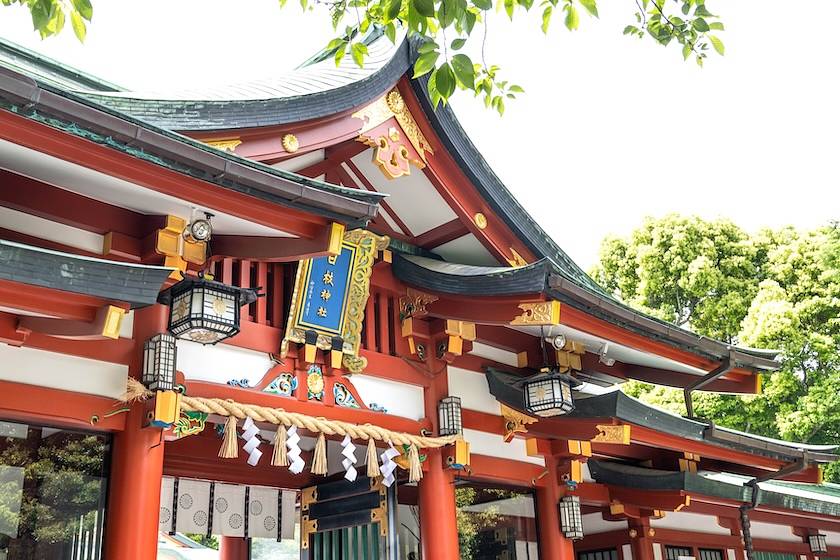
Located on a verdant hilltop between the bustling neighborhoods of Akasaka and Nagatachō, the Hie Shrine, also called "Hie Jinja," provides a calm haven in the center of Tokyo. This location is a must-see because of its vermilion torii gates, ancient monkey statues, and an atmosphere so serene that you won't even notice the government buildings all around you. Culture vultures? This is for you. Fans of history? Yes again. Couples looking for peace or lone travelers? Definitely.
Key Details |
|
Type |
Shinto Shrine |
Location |
Chiyoda-ku, Tokyo (between Akasaka & Nagatachō) |
Address |
2-10-5 Nagatachō, Chiyoda-ku, Tokyo 100-0014 |
Opening Hours |
Typically open daily; main precincts accessible throughout the day. (As it’s outdoor and largely free access.) |
Admission/Ticket |
Free |
Official Website |
|
Nearest Station |
Tameike-Sannō Station (Tokyo Metro Ginza/Namboku lines), Akasaka Station (Tokyo Metro), and Kokkai-Gijidō-Mae Station (Marunouchi/Chiyoda lines) |
Languages/Signage |
Japanese primary; some English signage for major visitors. |
Best For |
Solo wanderers, couples, urban nature lovers, culture & architecture fans, families comfortable with short walks/hill inclines. |
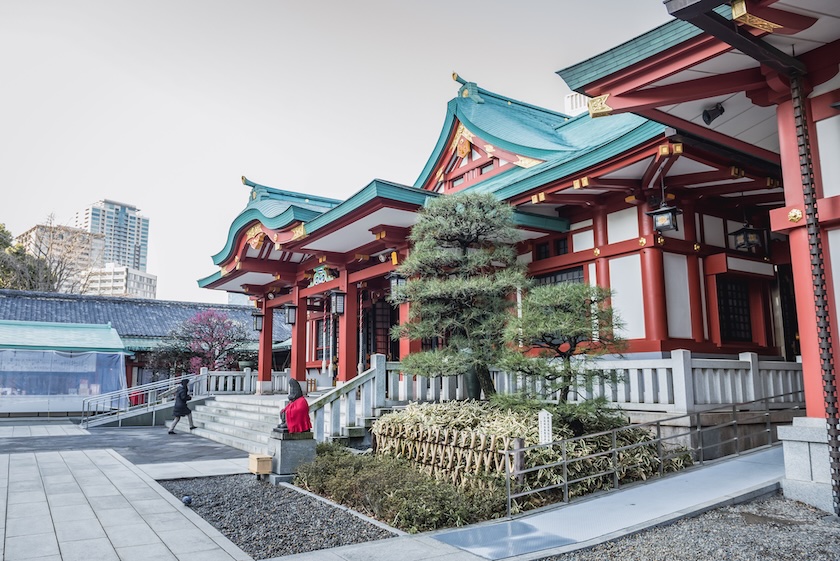
Expect a blend of serene nature, an urban setting, and traditional details when you visit Hie Shrine. The highlights are as follows:
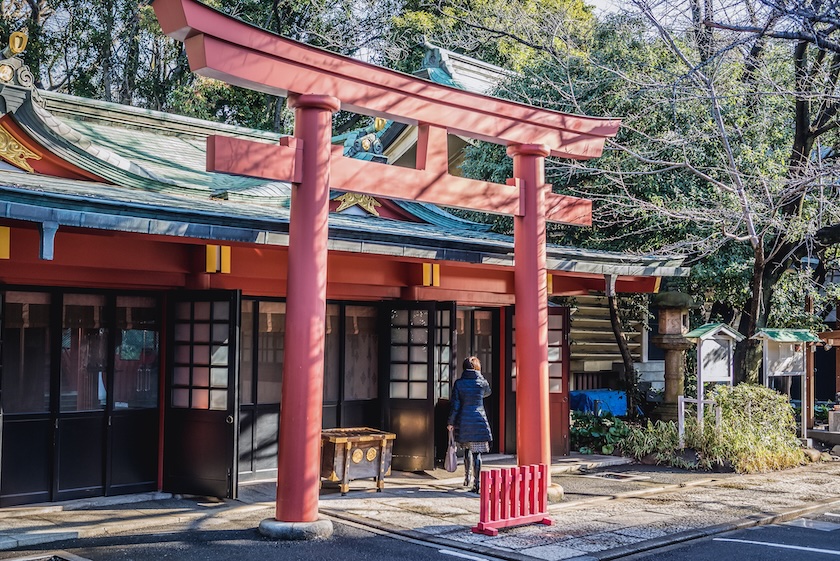
A procession of bright red torii gates, a photo-worthy tunnel of vermilion as you approach the shrine.
Monkey statues everywhere! The shrine’s divine messenger is the monkey, so you’ll see playful stone monkeys, especially a mother-and-child pair, believed to bring blessings for childbirth or good family relations.
An outdoor escalator (yes, really) helps you ascend the hill to reach the main shrine area, Tokyo convenience meets shrine tradition.
The hilltop setting provides a calm contrast to the surrounding city’s bustle, evergreen trees, stone stairways, and quiet corners.
If you happen to be there in mid-June, you’ll catch the start of the famous Sannō Matsuri, one of Tokyo’s big festivals.
Solo travellers wanting a peaceful pause in central Tokyo.
Couples seeking a quiet, unique photo stop near Akasaka.
Families with older children (some stairs/paths involved).
Culture & architecture enthusiasts are drawn to historic shrines in a modern city.
Office workers & urbanites wanting 10 minutes of calm between the buildings.
It’s tourist-friendly, yet less crowded than Tokyo’s mega-shrines, so you’ll get more breathing room and photo ops.
Arrive early-morning or late afternoon to avoid any office-rush crowd and enjoy golden light through torii gates.
Must-bring: Your camera or phone (for the torii tunnel), some cash (for an offering or omamori), a power bank (you know the photo spree begins).
What to wear: Comfortable shoes with good grip (there’s some hill climb). Dress smart-casual, the shrine is sacred, but you’re still in Tokyo.
Etiquette: Bow lightly at the main hall, keep voices calm, and remove hats if you approach the worship area.
Best seasons: Spring for cherry blossoms in the courtyard; autumn for colourful leaves on the hill path.
Accessibility: Escalator helps with the hill, but the site involves staircases and slopes, strollers/wheelchairs may need assistance.
Consider effortless-chic: A loose-fitting dress or pair of pants, flat shoes, and perhaps a light hat or scarf. Since you'll be walking up a mild incline, comfort and style go hand in hand.
By Train: Take Tokyo Metro to Tameike-Sannō Station (Ginza or Namboku lines) or Akasaka Station. From the station exit, 3-5 minutes’ walk uphill.
By Bus/Taxi: Taxis from nearby districts (Akasaka, Nagatachō) drop you almost at the gate; buses service the area too.
On Foot/Bike: From Akasaka/Midtown, a pleasant walk uphill through quiet lanes offers a hidden-city vibe.
Food & Drinks: After the shrine, grab coffee or matcha around Akasaka or the mid-town area, a charming blend of shrine calm and city chic.
Attractions: Combine your visit with Akasaka Sacas, the National Diet Building area for politics-meets-temple stroll.
Shopping: Explore Akasaka’s lesser-known boutique streets (much calmer than Shibuya).
The shrine’s history stretches back to the Kamakura period, and its current location dates to 1659 when it was rebuilt after the Great Fire of Meireki. It served historically as the guardian shrine of Edo Castle and therefore played a significant role in old Tokyo’s spiritual geography. Its nickname “Sannō-san” is well-known among locals, and the Hie Jinja Sannō Matsuri is one of Tokyo’s major festivals.
Fun fact: Those monkey statues? They represent the divine messenger of the shrine and are especially popular among expectant mothers.
Stay: Choose a hotel near Akasaka or Nagatachō, beautiful area, central location, perfect for a relaxed visit. Link to JapanDen’s hotel pages in that area for picks.
Transport: If you’re touring beyond Tokyo (Kyoto, Osaka etc.), a full JR Pass may make sense. If you’re sticking to Tokyo, Metro and IC cards suffice.
Connectivity: Rent a Pocket Wi-Fi or buy a Japan SIM, helpful for maps, translations, and snapping your shrine moment.
Meet & Greet: If you arrive at Narita or Haneda and want smooth transit to the shrine zone, consider an airport meet-and-greet service.
Japan Basics: Respect shrine etiquette (quietness, purity fountain, minimal photo disruption). Bring cash, as some shrine stalls may be cash-only.
Do I need a ticket?
No, entry to Hie Shrine is free.
Is Hie Shrine kid-friendly?
Yes, though there are stairs and slopes, many families visit and there are photo moments kids like (monkeys! torii gates!).
Are pets allowed?
Usually leashed pets are OK in shrine grounds, but always check specific rules if you bring a dog or cat.
Is there shelter from rain?
Some covered areas exist near the shrine entrance, but much of the path is outdoors, umbrella advised.
Hie Shrine is famous for its striking red torii gate tunnel, its role as Tokyo’s guardian shrine, and the lively Sannō Matsuri festival, one of the city’s three major Shinto celebrations.
Hie Shrine is definitely worth visiting. It’s a peaceful escape right in central Tokyo, blending history, nature, and urban charm. The red torii staircase is stunning, the views from the hill are serene, and it’s far less crowded than other shrines.
Hie Shrine is dedicated to Ōyamakui-no-Kami, also known as Sannō-no-Kami, the guardian deity of Tokyo and protector of the Imperial Palace.
Why should I book with JapanDen?
How do I book a hotel or ryokan through JapanDen?
What types of accommodations do you offer in Japan?
How can JapanDen help with planning my trip?
As well as booking accommodation, JapanDen is a place to learn more about Japan and how you can make the most of your time in this special country. From in-depth region guides to stories from Japan, we’ll be regularly publishing carefully curated insights from Japanese culture, with recommendations for the best activities and attractions and the latest news. Looking forward, we’ll also be adding special community features so you can share ideas and inspiration with like-minded people. Please come back and visit us regularly as we continue to add new content. We want JapanDen to be your home away from home too.
Do you offer guided tours in Japan, and how can I book one?
As part of the JRPass.com group, we offer a dedicated Meet and Greet service with expert personal assistance on your arrival in Japan booked via JRPass.com, alongside nationwide and regional rail passes for travel. As JapanDen grows, we will be offering more services and activities to provide a complete Japan travel experience.
Can I purchase Japan Rail Passes through your website?
JapanDen is part of the JRPass.com group, book your passes and tickets directly on JRPass.com